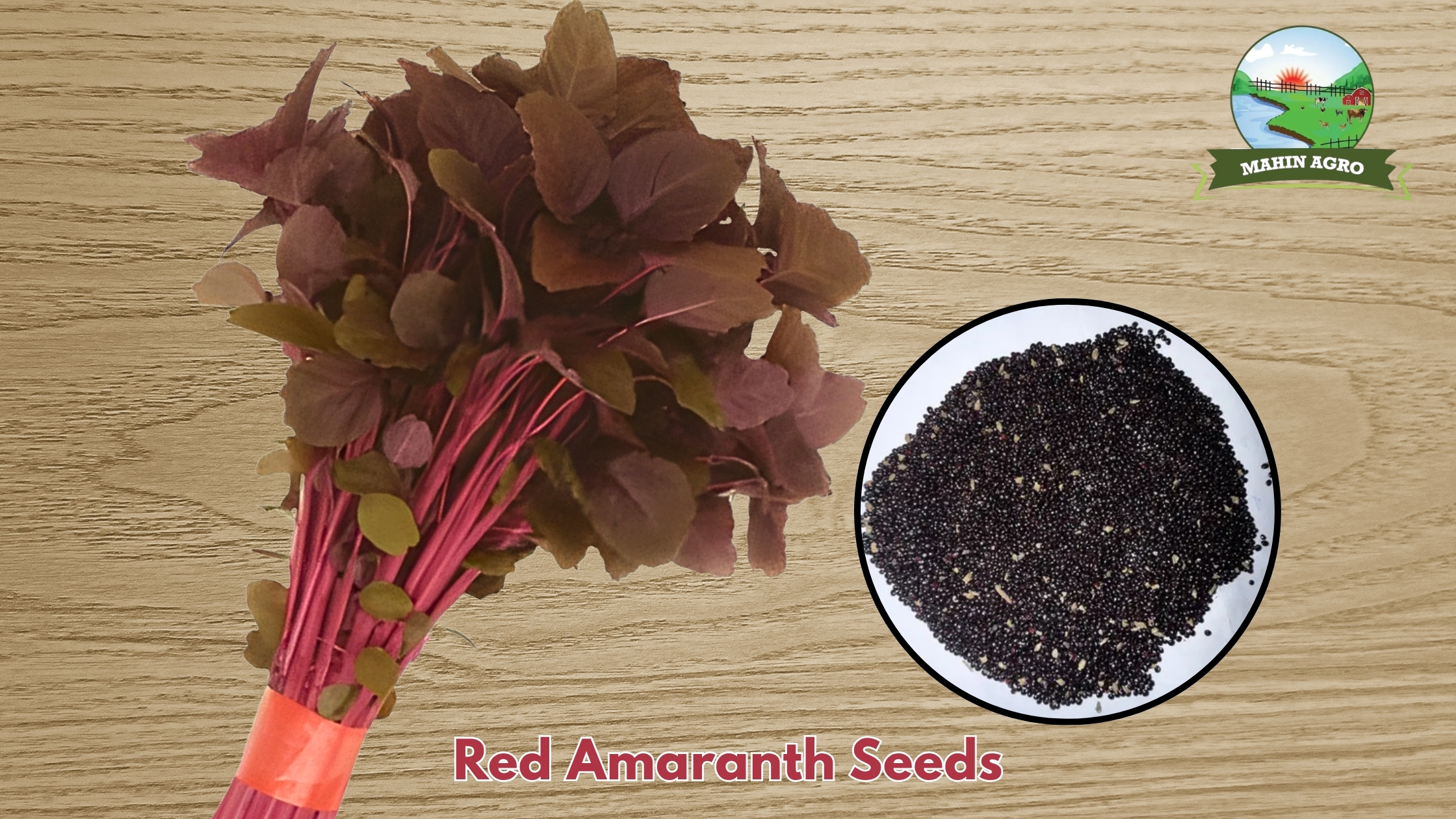
Red Amaranth, widely loved across South Asia as Lal Shak, is one of the easiest and fastest-growing leafy vegetables for home gardeners. Its tender burgundy-red leaves, vibrant stems, quick harvest window, and rich nutritional value make it an excellent choice for gardeners across the United States—especially those who want a heat-loving leafy green that thrives when spinach and other cool-season greens struggle. If you are growing Red Amaranth in your backyard, raised bed, or container garden, this complete guide covers everything from scientific name and local names to planting schedules by USDA zone, soil preparation, crop care, seed saving, pest management, and nutritional benefits.
What Is Red Amaranth?
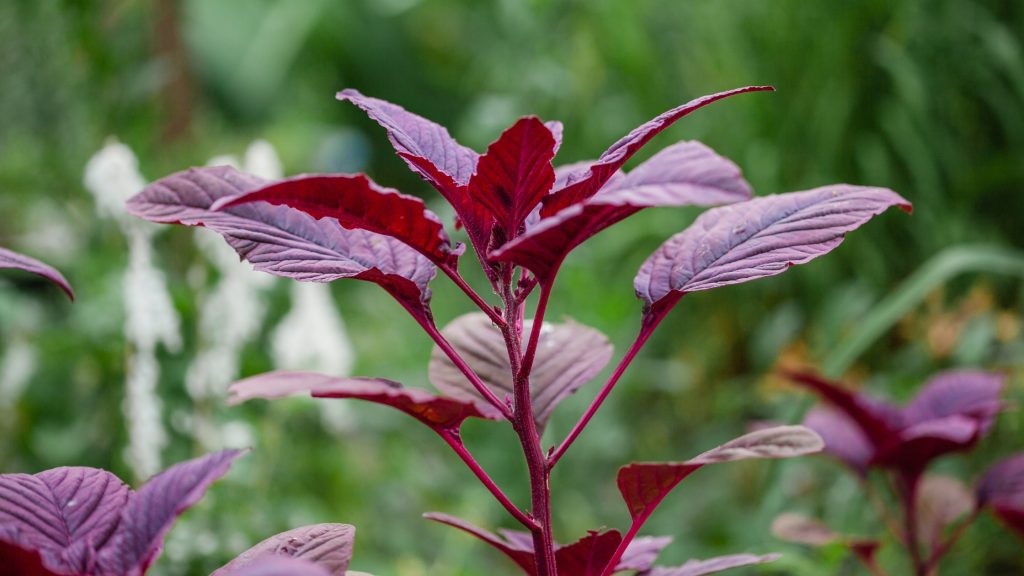
Red Amaranth is a leafy vegetable grown mainly for its tender, edible red to purple leaves and stems. In Bangladesh and neighboring regions, Red Amaranth is commonly known asLal Shak (লাল শাক), which is prized for its rich red color and tender leaves. In the United States and international seed markets, similar types may also be called Red Amaranth, Chinese Spinach, Chinese Amaranth, Vegetable Amaranth, or Leafy Amaranth. It is commonly used in South Asian, Southeast Asian, and African cooking and is especially popular in Bangladeshi cuisine as Lal Shak. In the U.S., gardeners may also see it marketed as Red Amaranth, Vegetable Amaranth, Chinese Spinach, or Leafy Amaranth. Because it grows quickly and produces tender greens in a short time, it is an excellent spinach for home gardens. Scientific Name for the red leafy vegetable of Red Amaranth is Amaranthus tricolor.
History and Origin of Red Amaranth
Red Amaranth belongs to a very old and culturally important group of food plants grown across Asia, Africa, and the Americas. According to UF/IFAS, vegetable amaranth is considered native to tropical Asia, and it has been cultivated in China for more than 400 years before being introduced into parts of the United States. Over time, it became a valuable warm-season leafy green because it thrives in high temperatures and grows quickly, making it especially useful in regions where traditional spinach performs poorly in summer. Today, Red Amaranth remains a beloved traditional vegetable in Bangladeshi, Indian, Nepalese, Filipino, African, and Caribbean cooking, while also gaining popularity in U.S. home gardens due to its heat tolerance and nutrient density.
Best Seeds Selection for Red Amaranth
When selecting Red Amaranth seeds for planting or seed saving, always choose seeds from healthy, vigorous, true-to-type plants that show strong red coloration, fast growth, tender leaf production, and no signs of disease. If you are saving seed from your own garden, it is best to choose the strongest plants that produce uniform leaves and stems matching your desired Lal Shak type. Since amaranth can cross-pollinate, especially by wind, maintaining purity is important when growing more than one amaranth type in close proximity. For commercial or heirloom seed quality, strong selection is essential to preserve the correct red-leaf trait, growth habit, and eating quality.
How to Collect Red Amaranth Seeds
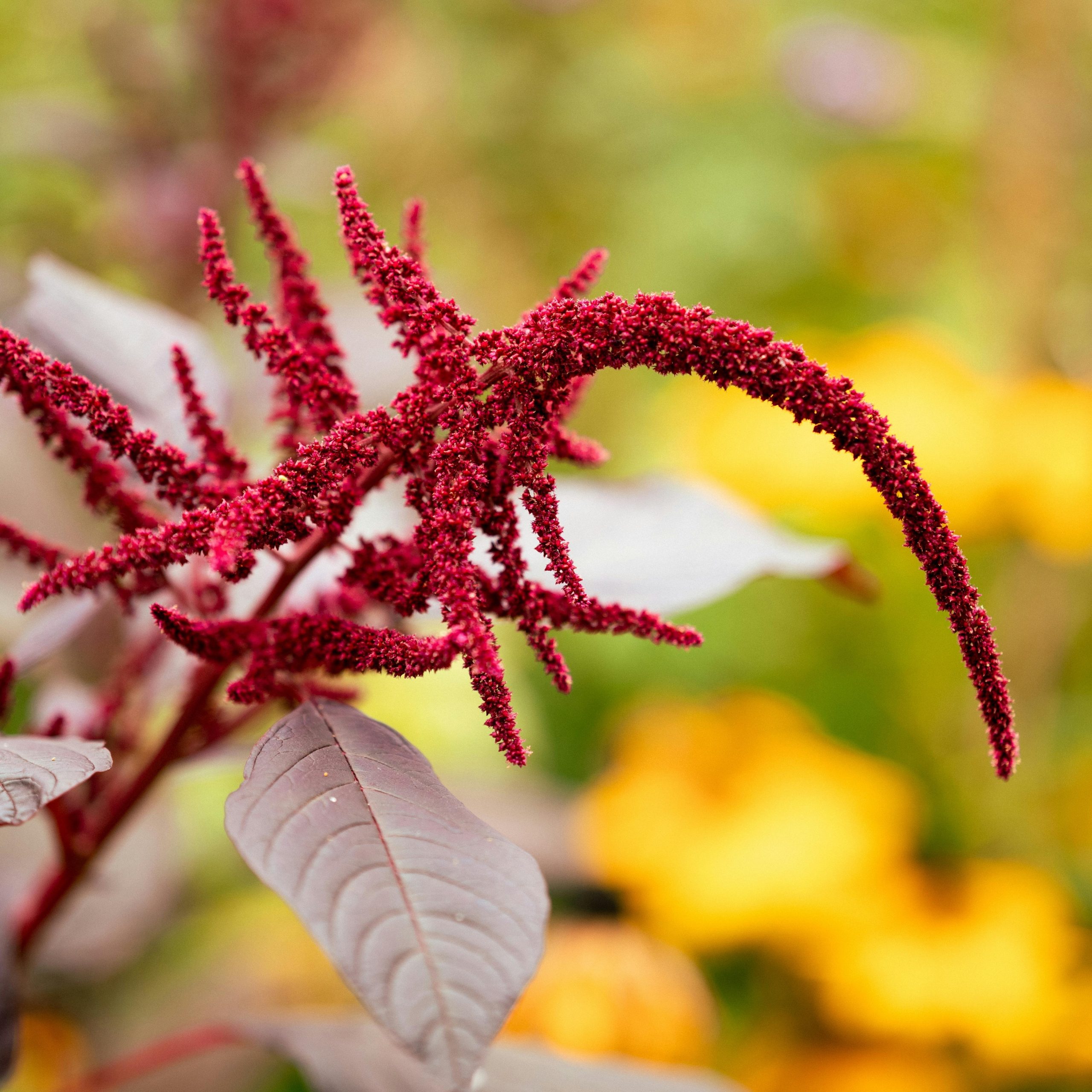
To collect Red Amaranth seeds, allow selected plants to grow beyond the leaf-harvest stage until they mature and produce seed heads. Once the flower or seed heads dry on the plant and begin turning brownish or dry enough to crumble, cut the mature tops and let them dry further in a shaded, airy place. After drying, gently rub or thresh the seed heads by hand to separate the tiny seeds from the chaff, then winnow or sieve the material to clean the seed. Store the fully dried seeds in an airtight container in a cool, dry location. Because amaranth is primarily wind-pollinated, Seed Savers Exchange recommends an isolation distance of approximately 650–1,300 feet for seed purity when maintaining a variety. For home gardeners, if full isolation is not possible, saving seed from only one amaranth type at a time helps reduce the risk of cross-pollination.
Red Amaranth Growing Season and Climate
Red Amaranth is a fast-growing warm-season (almost year-round) plant that thrives in hot weather, full sun, and warm soil. It is especially well-suited for summer growing because it tolerates heat much better than traditional spinach. UF/IFAS notes that seeds germinate best at around 70–75°F, and the University of Minnesota Extension recommends waiting until the soil reaches at least 60°F before sowing outdoors. In warm weather, Red Amaranth can be ready for baby leaf harvest in as little as 3–4 weeks, while larger bunching harvests may take 5–8 weeks, depending on temperature and growing conditions. In southern U.S. regions, gardeners can sow repeatedly for extended harvests, and in frost-free areas, it may be grown almost year-round.
Red Amaranth Planting Schedule by USDA Zones (USA)
For U.S. gardeners, Red Amaranth should be planted as a warm-season crop after frost danger has passed. In USDA Zones 3–5, the best planting window is typically late May through July, once the soil is warm. In Zones 6–7, sow from late April or May through August. In Zone 8, sow from April or May through September. In Zone 9, sow from March or April through October. In Zones 10–11, Red Amaranth can often be planted nearly year-round, especially with repeated succession sowing. A simple rule for American gardeners is this: in cooler states, grow Red Amaranth from late spring through summer; in the South, sow it repeatedly for a long warm-season harvest or nearly all year in frost-free climates.
Soil Preparation for Red Amaranth Cultivation
Red Amaranth grows best in fertile, well-drained soil with full sun exposure. A slightly acidic to neutral soil pH—around 6.0 to 7.0—is ideal for healthy growth. Because the seeds are very small, the planting bed should be prepared into a fine, loose seedbed so the seeds can establish evenly. Before sowing, mix in well-rotted compost or aged organic matter to improve fertility and moisture retention, then remove weeds and break up any hard clods. Red Amaranth responds well to fertile soil because it is harvested for leafy growth, but avoid overly heavy or waterlogged soils, which can cause poor germination and root stress. Raised beds and loose garden soil with good drainage are excellent for this crop.
How to Plant Red Amaranth Seeds
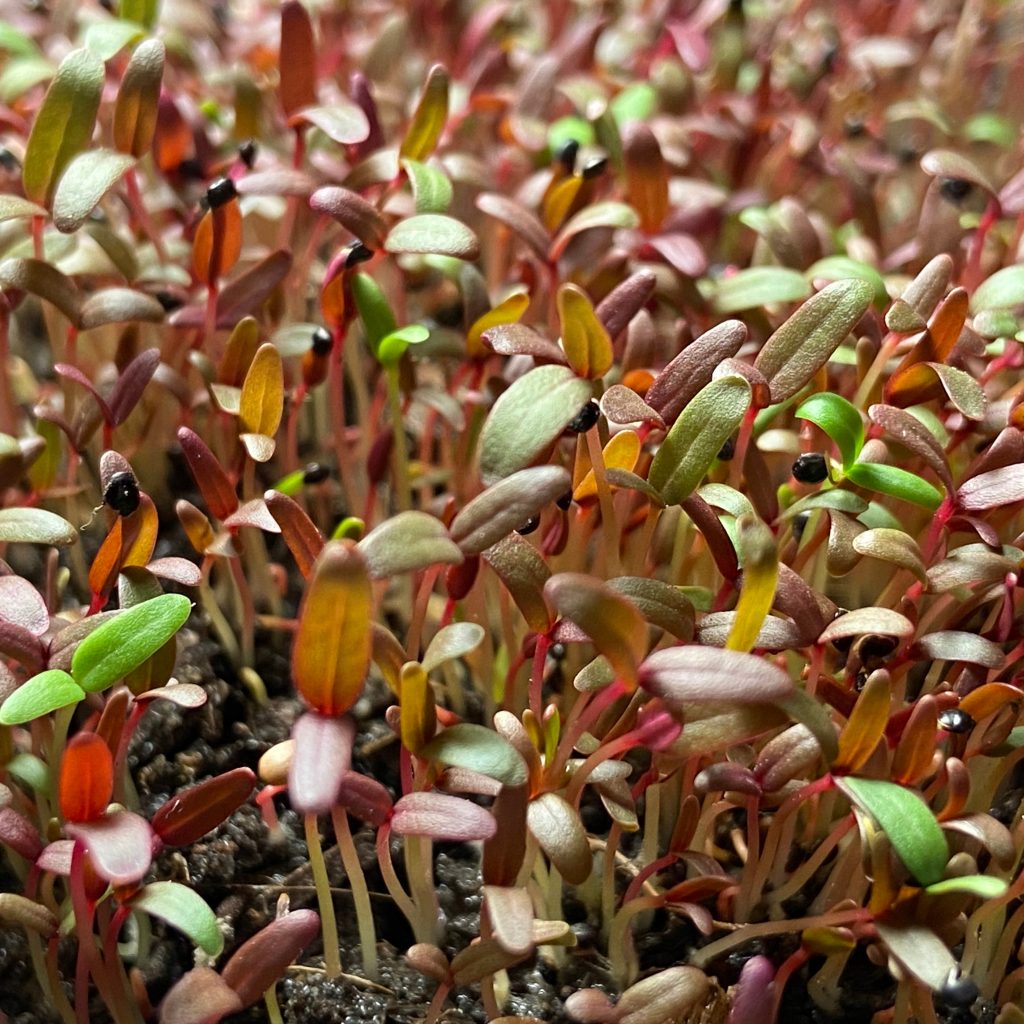
Because Red Amaranth seeds are tiny, they should be sown very shallowly, about 1/8 to 1/4 inch deep, or just barely covered with fine soil. Direct sowing is usually the easiest method, especially in warm weather. Seeds can be sprinkled in rows or bands and later thinned as the seedlings grow. For larger plants or bunch harvests, rows can be spaced 12–24 inches apart, with thinning to allow 8–12 inches between plants. If you want baby greens or denser bunching harvests, you can sow more closely and thin gradually by harvesting small plants. Since the seeds germinate quickly in warm soil, it is important to keep the seedbed evenly moist until the seedlings are established.
Crop Care During Cultivation
During early growth, Red Amaranth needs consistent moisture to support even germination and strong seedling establishment. Once established, the plants become more tolerant of heat and short dry periods, but regular watering still helps produce the most tender leaves. Keep the planting area weed-free, especially during the first few weeks, because faster weeds can crowd out young seedlings. If the stand is too dense, thin the plants to improve airflow and leaf size. In home gardens, many growers prefer succession sowing every 2–3 weeks to enjoy a continuous harvest throughout the warm season. If you are harvesting for tender greens, begin cutting leaves or small plants before flowering starts, because once the plant begins bolting, the leaves become less tender and the plant shifts energy toward seed production.
Harvesting Red Amaranth
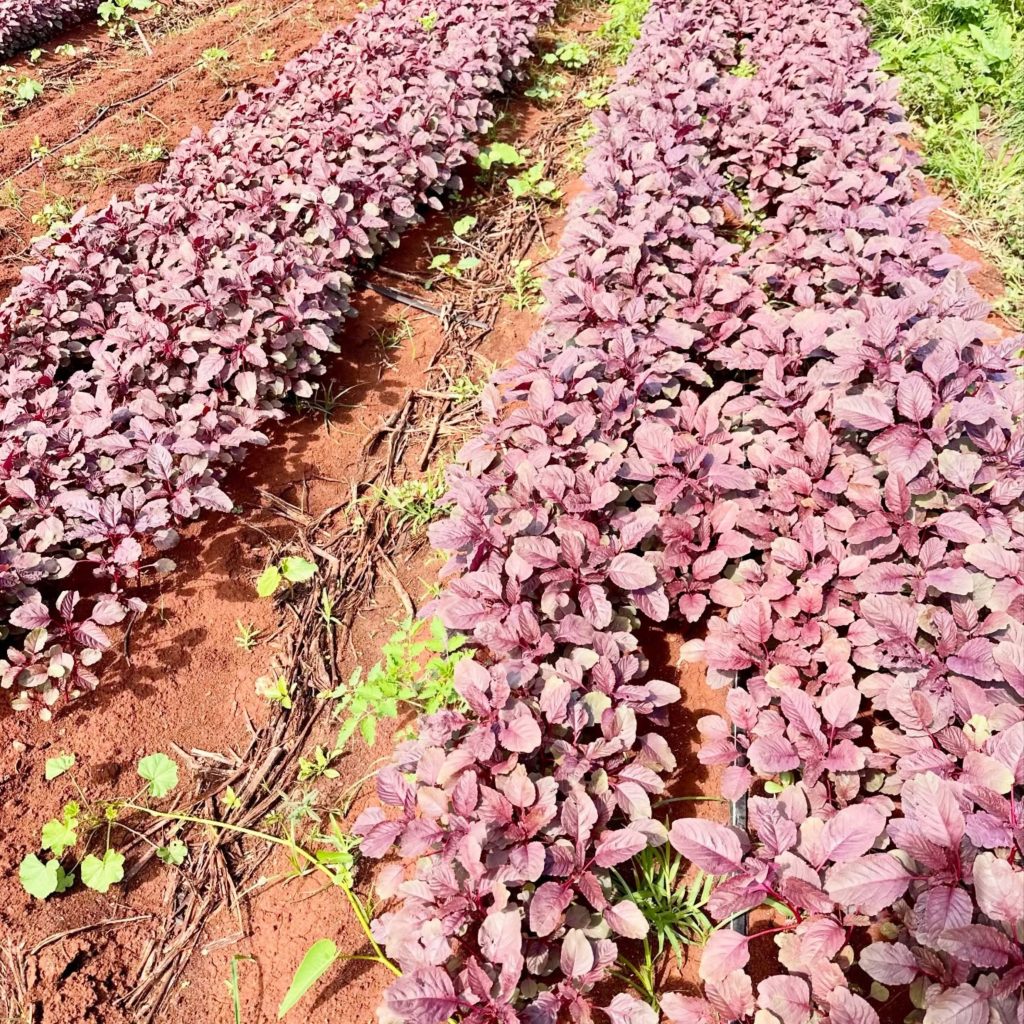
Red Amaranth can be harvested in several ways depending on how you want to use it. For baby greens, harvesting can begin as early as 3–4 weeks after sowing in warm weather. For bunching greens, wait until the plants are larger, usually around 5–8 weeks. Gardeners can also harvest individual leaves or shoot tips repeatedly once the plants are about 8 inches tall, which allows continued regrowth if the growing point is not severely damaged. Harvesting earlier usually gives the most tender texture and best flavor. Once the plant begins to flower, leaf production slows and the quality of the greens usually declines.
Common Pests and Diseases of Red Amaranth and Their Remedies
One of the most commonly noted insect problems on amaranth is flea beetle damage, especially on young seedlings. Flea beetles chew tiny holes in leaves and can slow early growth if infestations are heavy. A practical remedy is to protect young plants with floating row covers immediately after sowing or transplanting, especially during the vulnerable seedling stage. Red Amaranth seedlings can also suffer from damping-off if the soil stays too wet or poorly drained, so it is important to sow in warm soil, avoid overwatering, and use well-drained beds. General garden pests such as aphids may also appear, and these can often be managed with a strong spray of water or labeled insecticidal soap. To reduce disease pressure, avoid overcrowding, improve airflow, remove badly infected leaves, and avoid keeping foliage wet for long periods. In most home gardens, good spacing, warm soil, clean seed, and steady but not excessive watering prevent the majority of problems.
Nutritional Value of Red Amaranth
Red Amaranth leaves are highly nutritious and naturally low in calories, making them an excellent leafy green for health-conscious diets. USDA FoodData Central lists amaranth leaves, raw as providing approximately 23 calories per 100 grams, along with about 2.46 g protein, 4.02 g carbohydrates, 0.33 g fat, 215 mg calcium, 2.32 mg iron, and 611 mg potassium. This nutrient profile makes Red Amaranth a valuable leafy vegetable for gardeners and families who want mineral-rich greens that support balanced, plant-forward meals. Its vibrant red color also makes it visually attractive in cooking, salads, sautéed dishes, soups, and traditional South Asian recipes.
Health Benefits of Red Amaranth
Because of its rich nutritional profile, Red Amaranth is widely valued as a supportive leafy vegetable in everyday diets. Its calcium content supports bone health, its iron content contributes to healthy blood function, and its potassium content helps support fluid balance, muscle function, and heart-friendly eating patterns. Like many deeply colored leafy greens, Red Amaranth also contains plant pigments and antioxidants that make it a smart addition to a nutrient-dense diet. For a U.S. website or e-commerce blog, the best and safest way to describe these benefits is through nutrition support language, such as “supports a healthy diet” or “rich in important minerals,” rather than making direct medical claims.
Final Thoughts
If you are looking for a fast-growing, beautiful, heat-loving leafy green for your home garden, Red Amaranth (Lal Shak) is one of the best choices for warm-weather growing. It is easy to sow, quick to harvest, nutritious, and highly adaptable across much of the United States. Whether you grow it for traditional Bangladeshi cooking, summer greens, or seed saving, Red Amaranth rewards gardeners with vibrant color, excellent flavor, and dependable performance in hot weather. For U.S. gardeners—especially those in warmer regions or those wanting an alternative to spinach in summer—this crop is an outstanding addition to the garden.