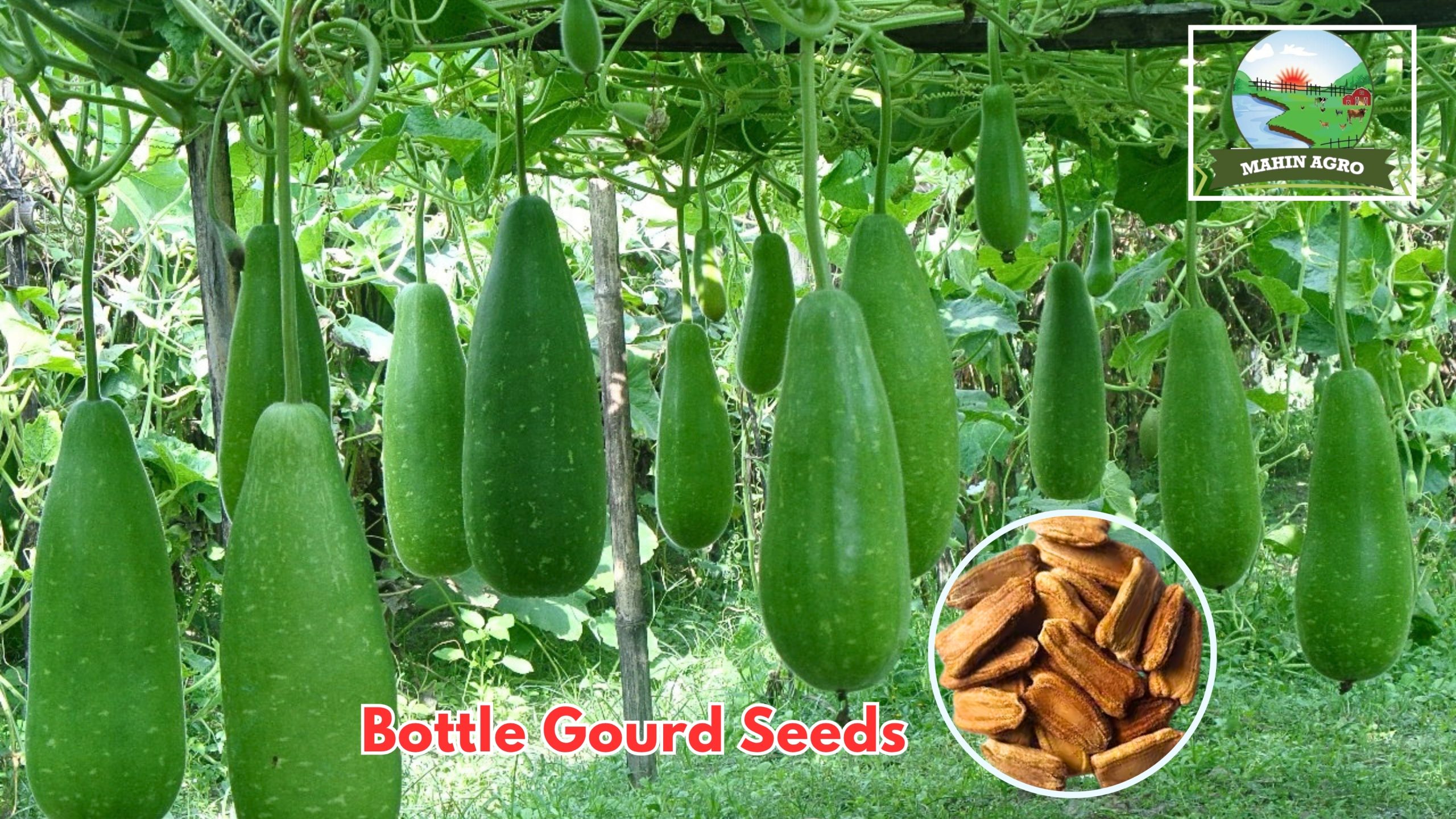
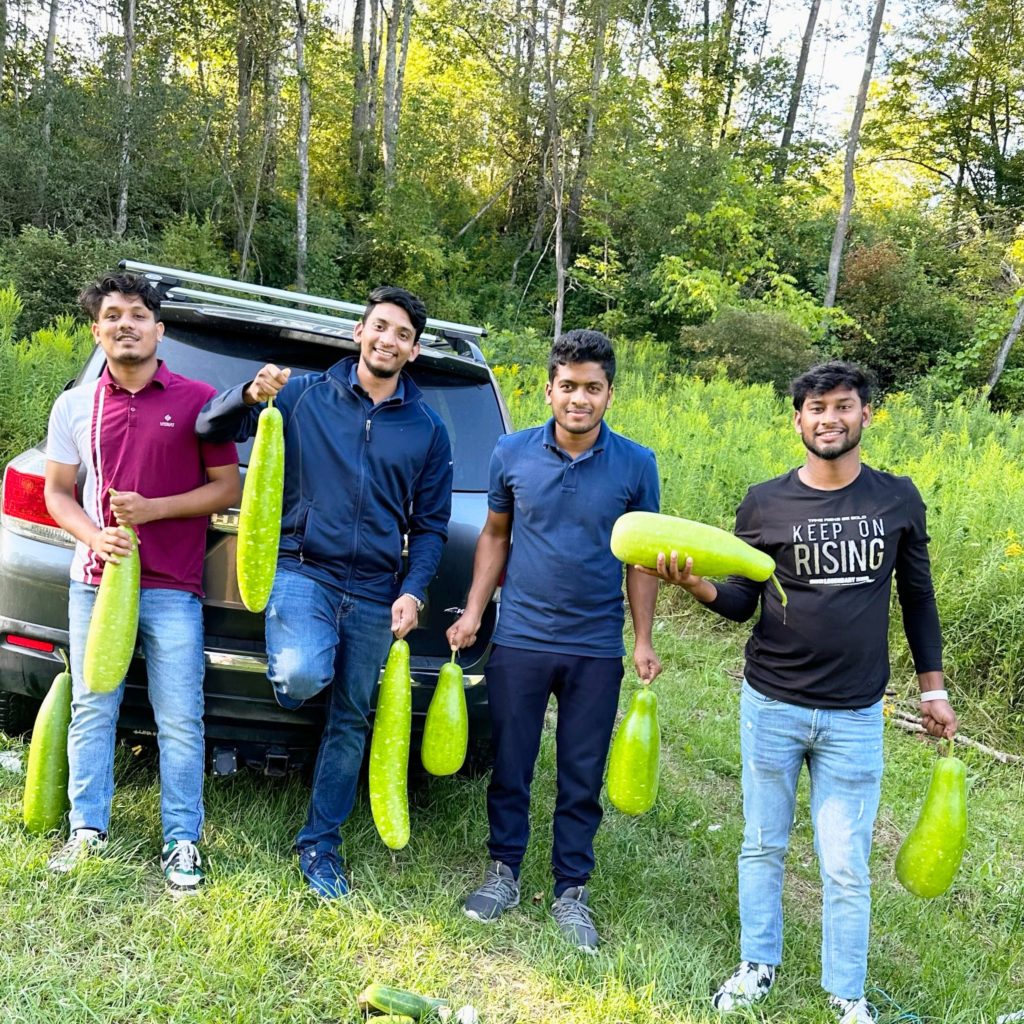
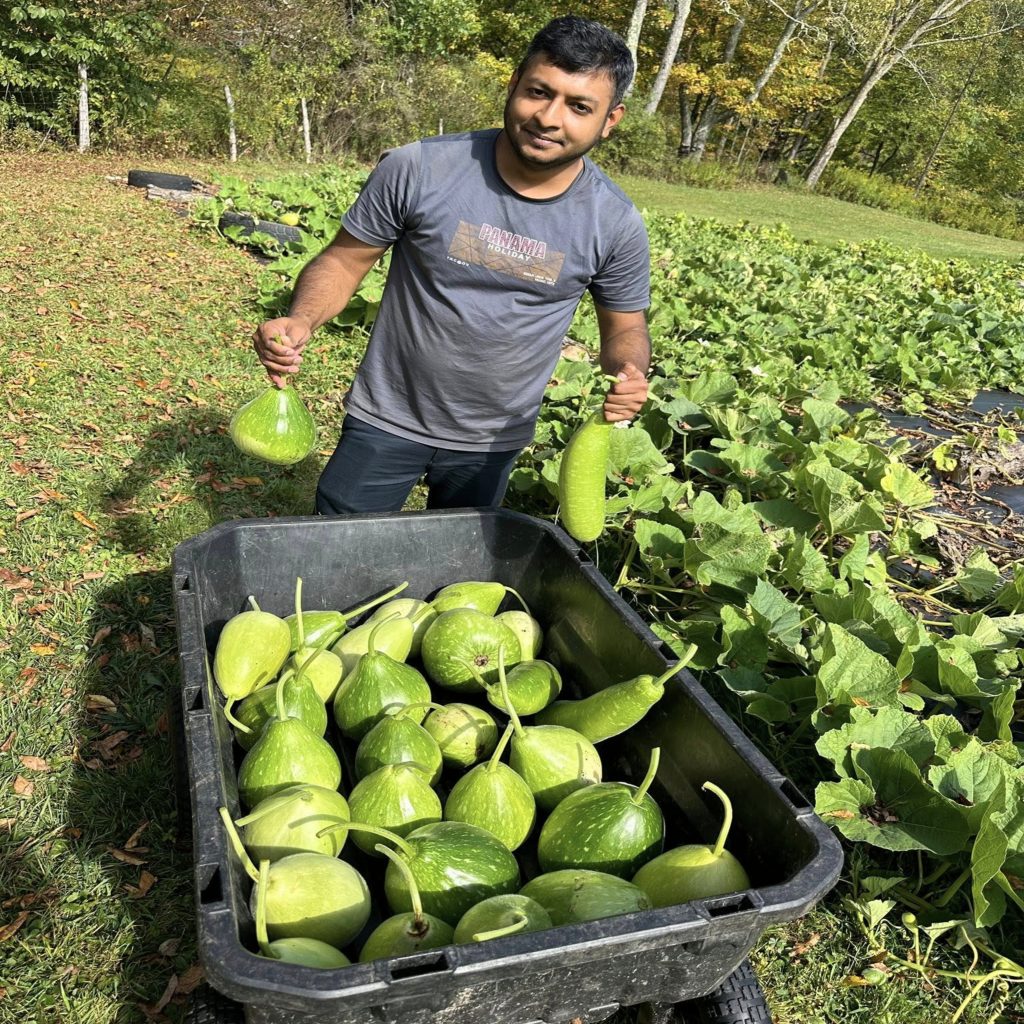
Bottle Gourd is one of the best warm-season vegetables for home gardeners who want a productive, easy-to-grow vine with delicious young fruits and strong cultural appeal. Known in many South Asian homes as Lau, this vigorous summer crop grows beautifully in trellised gardens, raised beds, and backyard spaces across much of the United States. If you are looking for a reliable, fast-growing vegetable for hot weather, Bottle Gourd Seeds are an excellent choice.
What Is Bottle Gourd?
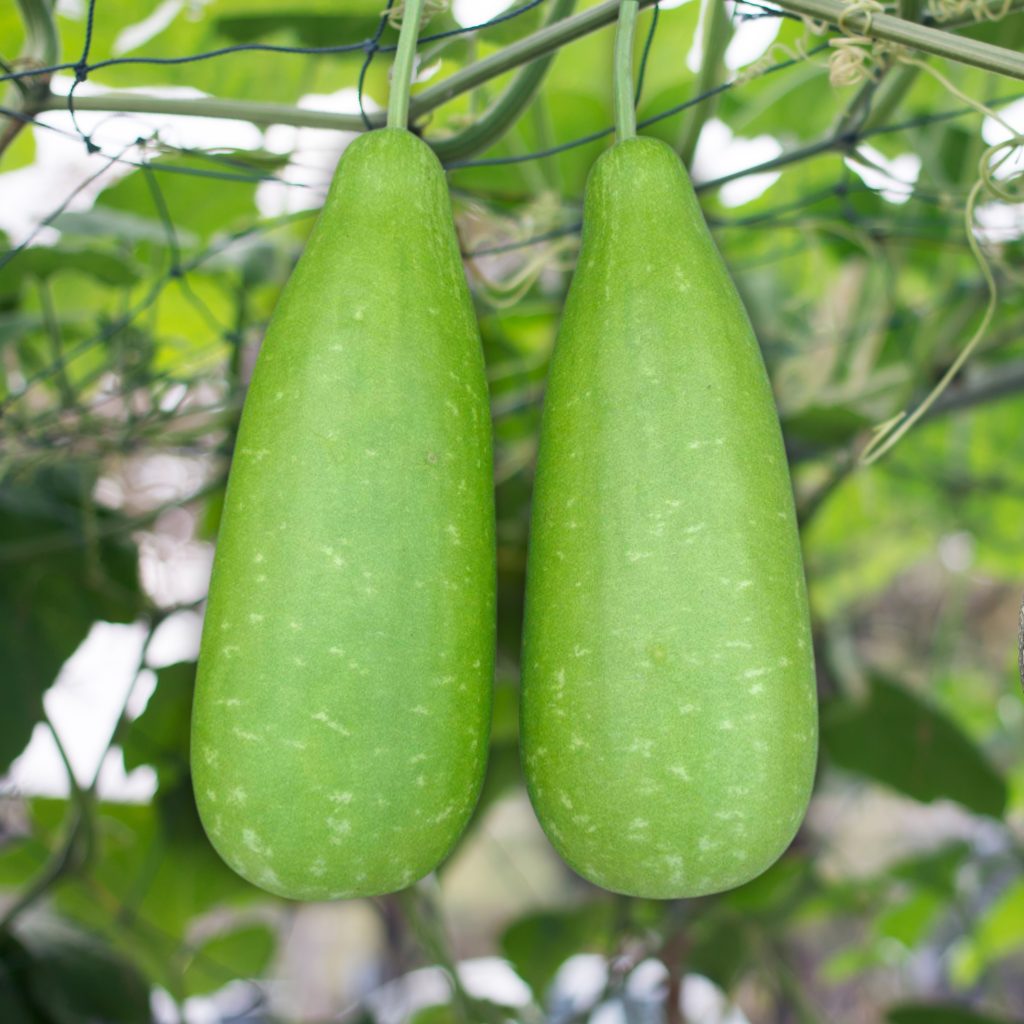
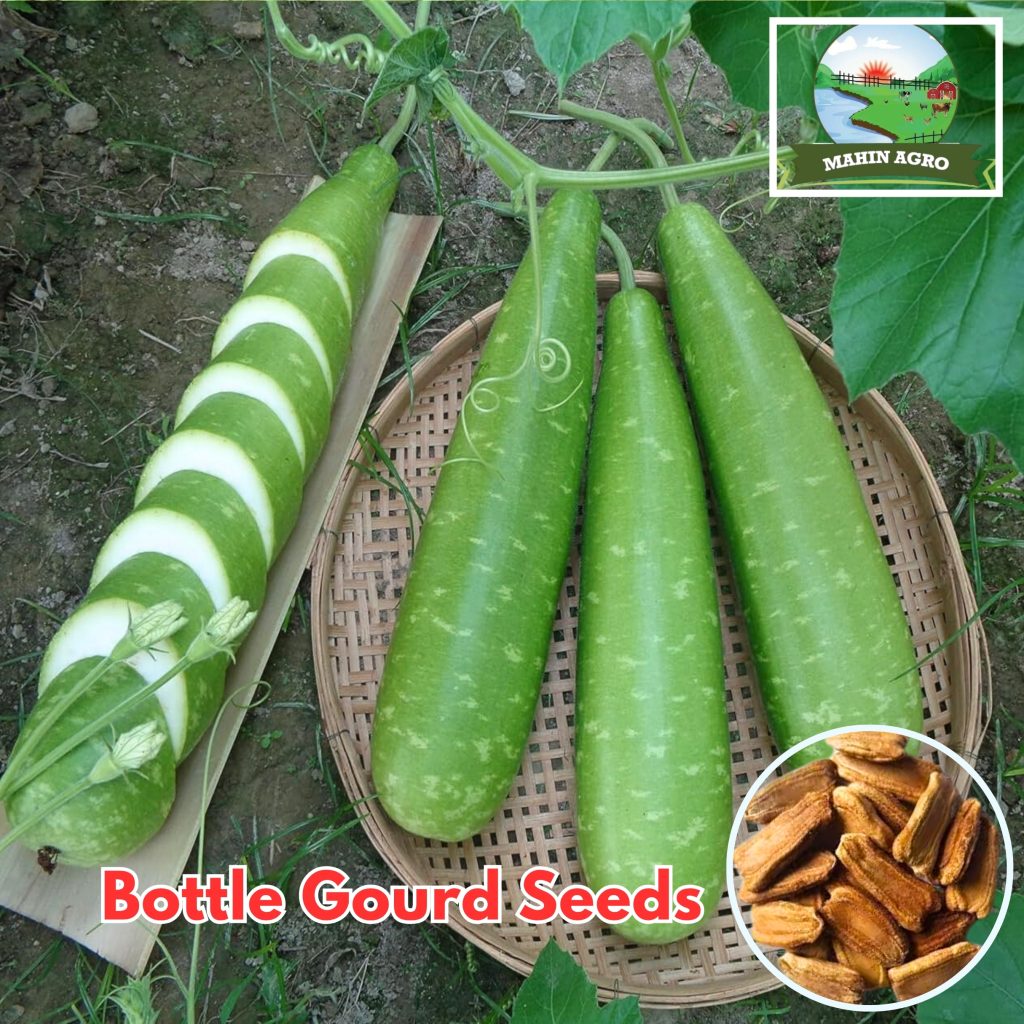
In the United States, this crop is most commonly known as Bottle Gourd (Lagenaria siceraria) and Calabash. Depending on the variety and maturity stage, it may also be described as White-flowered Gourd, Hard-shelled Gourd, or, in ethnic produce markets, loosely compared with Opo Squash. The scientific name of the Bottle Gourd is Lagenaria siceraria. It belongs to the Cucurbitaceae family.
Local Name (American and Asian Names)
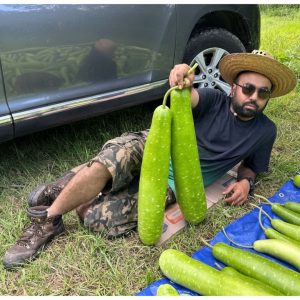
In American gardening, the crop is usually called Bottle Gourd or Calabash. In South Asian communities and ethnic grocery markets, it is widely known as Lauki (Hindi/Urdu), Lau (Bangla), Dudhi / Doodhi (Gujarati/Marathi), and sometimes Long Bottle Gourd or Asian Bottle Gourd in U.S. seed catalogs.
History and Origin of Bottle Gourd
Bottle gourd is one of the oldest cultivated crops in human history and is believed to have originated in Africa, later spreading across Asia and the Americas. It has been valued for thousands of years not only as a vegetable when harvested young, but also as a mature dried gourd used for bowls, storage containers, utensils, floats, and musical instruments. This long cultural and agricultural history makes bottle gourd a true heritage crop—one that is especially attractive to gardeners who appreciate traditional vegetables and culturally important food plants.
How to Choose the Best Bottle Gourd Seeds
When selecting seeds, choose healthy, mature, true-to-type seeds from vigorous vines that show strong growth, high productivity, good fruit shape, and no signs of disease. If you are buying seeds, look for fresh, well-developed seeds from reliable suppliers that specialize in vegetable seed quality. If you are saving seed from your own garden, always select fruits from the healthiest vines with the most desirable fruit shape and growth habit. This is especially important for your client’s business because seed quality directly affects germination, customer satisfaction, and repeat sales.
How to Save and Collect Bottle Gourd Seeds
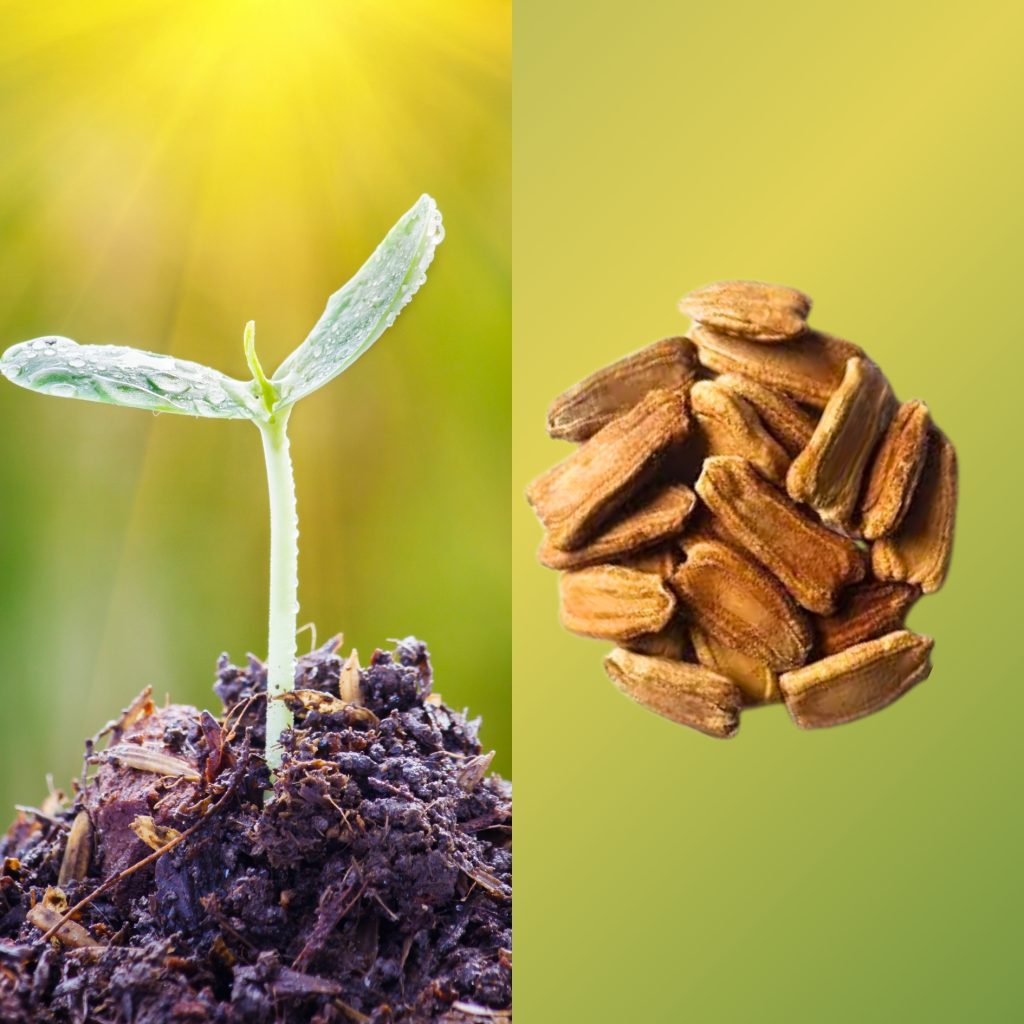
To save bottle gourd seeds, allow selected fruits to mature fully on the vine until the rind becomes hard and the fruit is fully developed. Because bottle gourd is insect-pollinated, it can cross with other Lagenaria siceraria types, so isolation is important for seed purity. Seed Savers Exchange recommends about 800 feet to 1/2 mile, while South Dakota State University recommends 1/2 to 1 mile for best isolation in cucurbits and gourds. Once mature, cut the fruit open, scoop out the seeds, rinse them well, and dry them thoroughly in a shaded, well-ventilated place before storing in an airtight container in a cool, dry area. Fully dried seeds stored correctly can remain viable for several years.
Growing Season, Weather & USDA Planting Schedule (USA)
Bottle gourd is a warm-season annual vine that thrives in heat, sun, and a long frost-free growing period. It performs best when soil temperatures are around 70°F or warmer, and UF/IFAS notes a typical growing season of roughly 90–120 days. In USDA Zones 3–5, plant outdoors from late May to June after all frost danger has passed. In Zones 6–7, sow from May through early July. In Zone 8, plant from April through July. In Zone 9, sow from March or April through August. In Zones 10–11, bottle gourd can often be grown for an extended season or nearly year-round during warm periods. In simple terms: cooler U.S. states should grow bottle gourd in late spring and summer, while southern states can plant earlier and harvest longer.
Best Soil Preparation for Bottle Gourd Cultivation
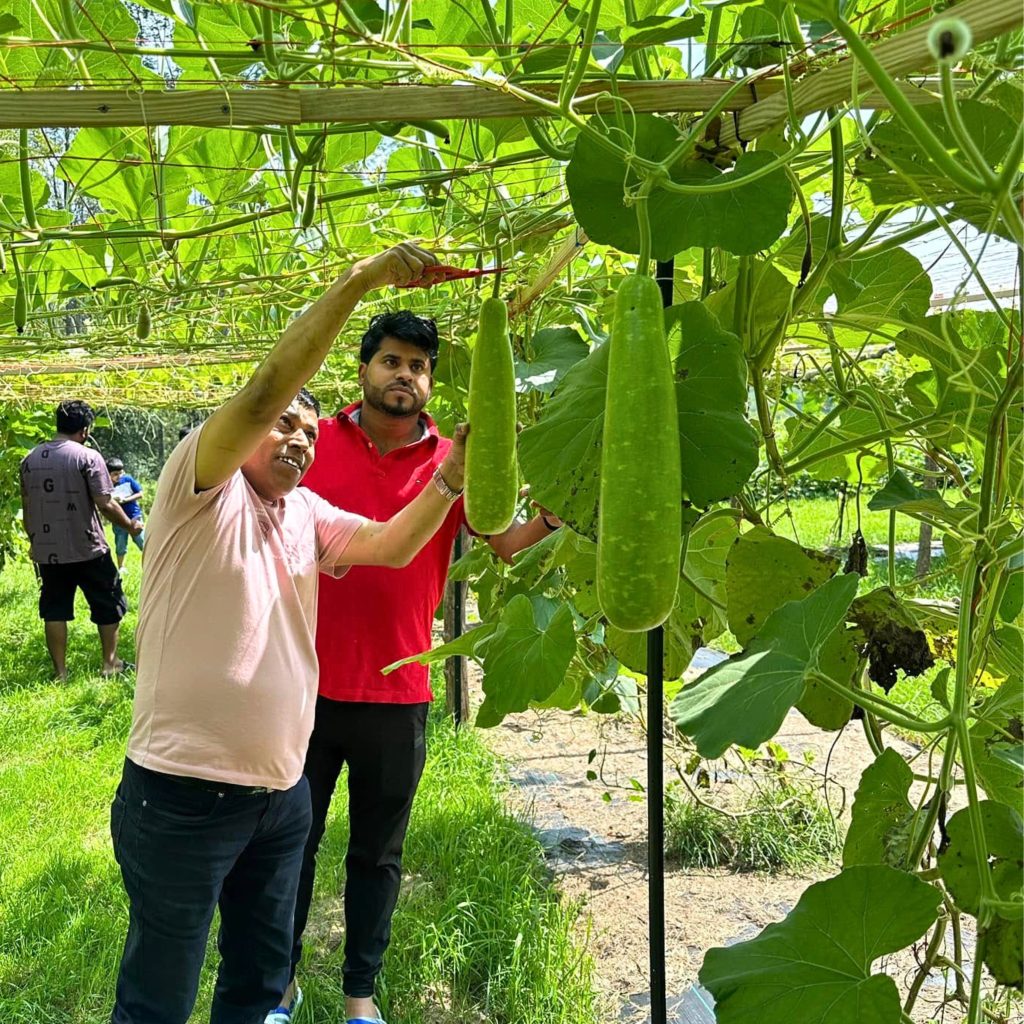
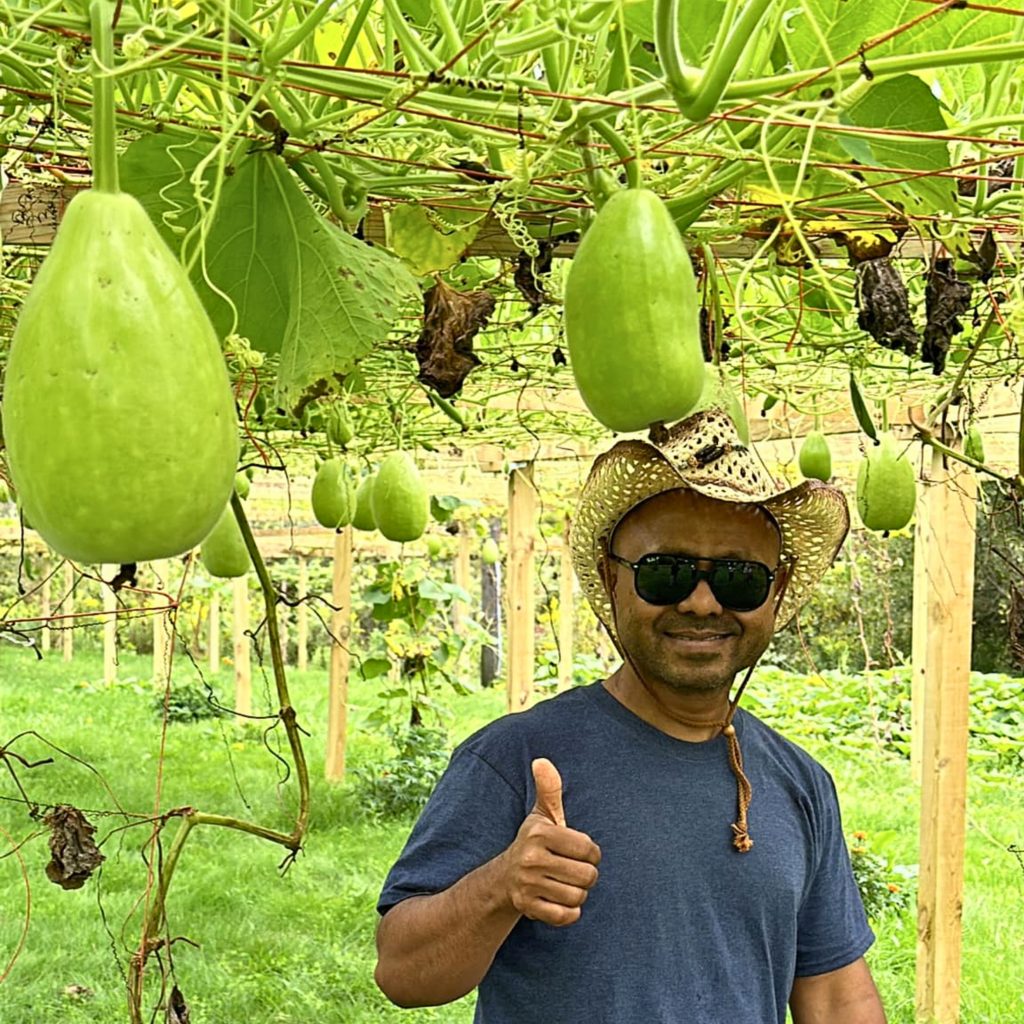
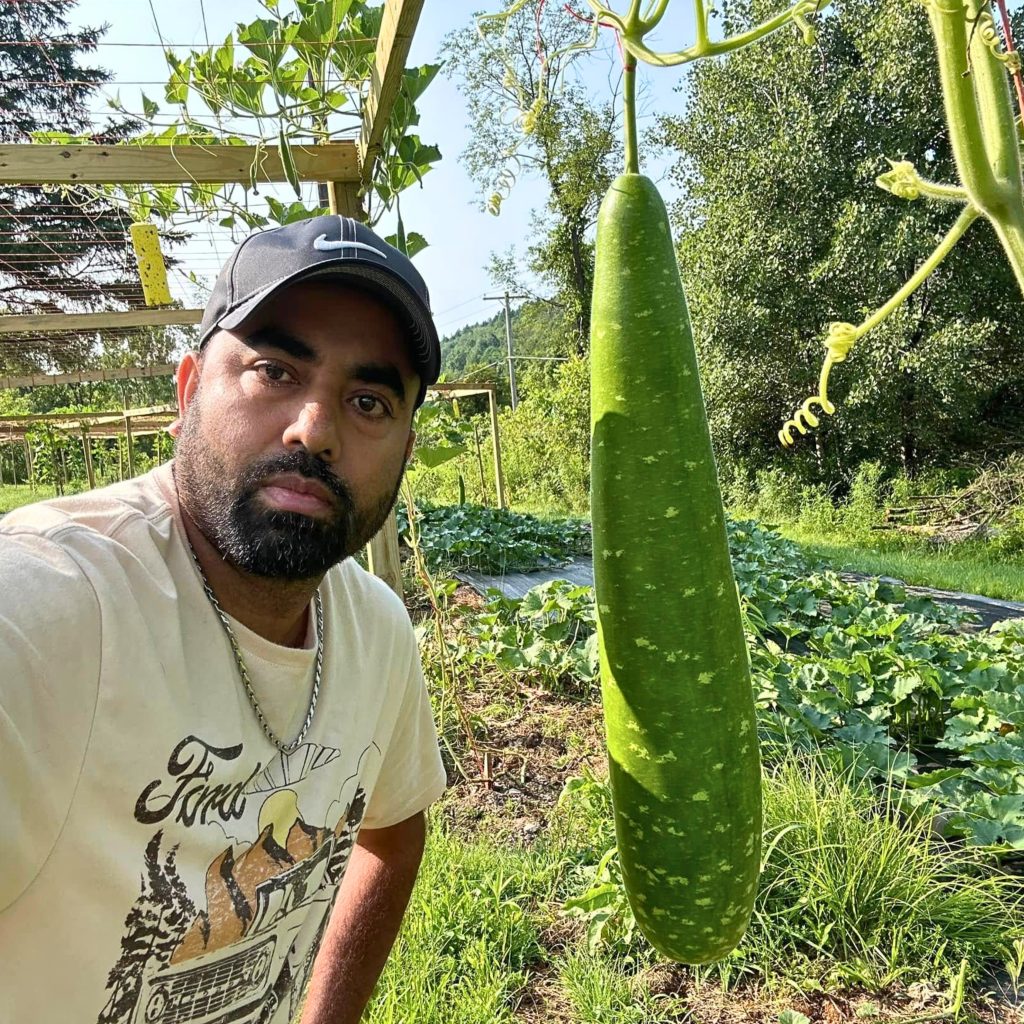
Bottle gourd grows best in full sun and well-drained, fertile soil, especially sandy loam or loamy soil enriched with organic matter. NC State notes that the plant prefers well-drained sandy or loamy soil, while Purdue Extension materials on cucurbits support a neutral to slightly alkaline pH near 7.0 as a good target. Before planting, prepare raised beds, mounds, or wide planting rows by mixing in compost or well-rotted manure. Remove weeds, loosen the soil deeply, and make sure drainage is good, because soggy soil can increase root disease and reduce plant vigor. If possible, install a sturdy trellis before planting because trellising improves airflow, fruit quality, and harvest convenience.
How to Plant and Care for Bottle Gourd During Cultivation
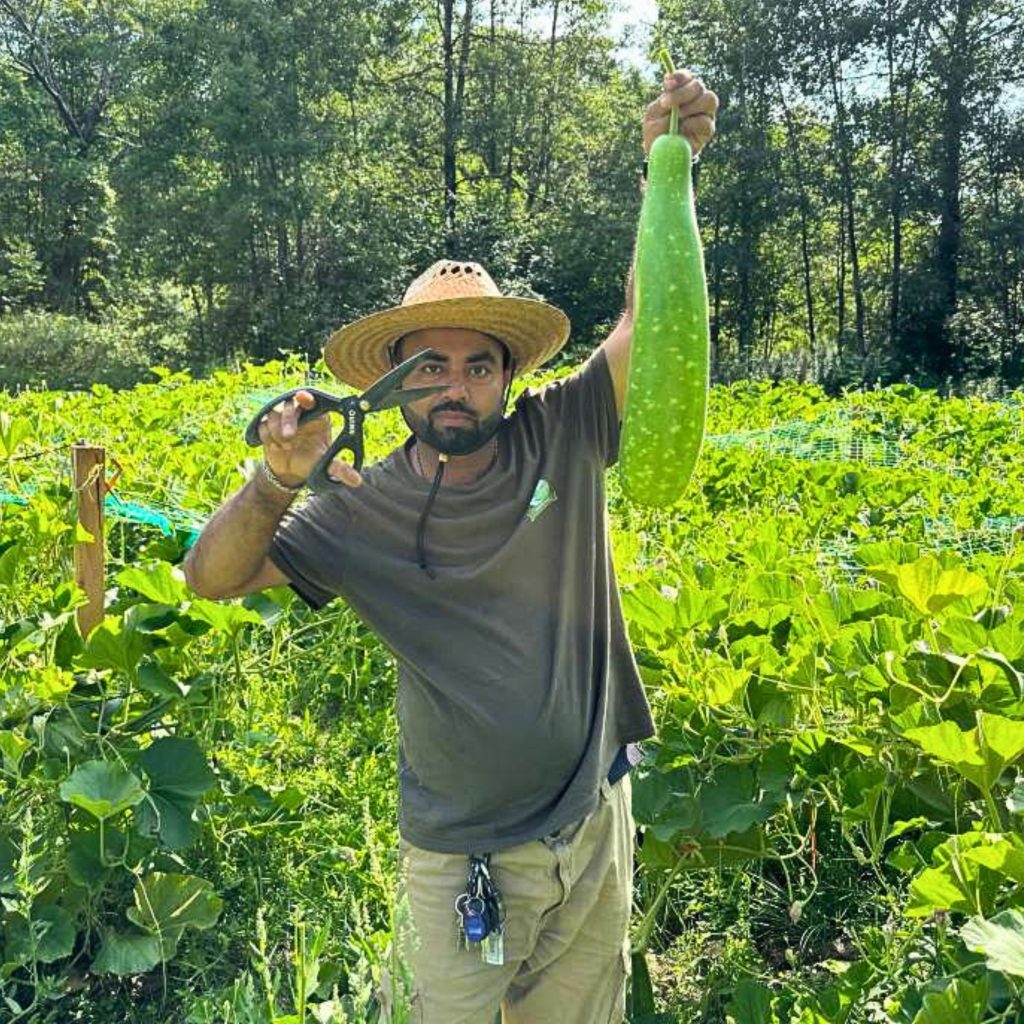
Direct sow bottle gourd seeds about 1/2 inch deep after warm weather arrives, or start seeds indoors carefully if your region has a shorter season. Keep the soil evenly moist during germination, then water consistently as vines establish and begin flowering. UF/IFAS notes that young plants benefit from watering 2–3 times per week, especially during hot weather. Train the vines onto a strong trellis to support the heavy fruits and improve air circulation. Mulch around the base to help retain moisture and reduce weeds. Because bottle gourd produces large white flowers that open in the evening or at night, pollination may sometimes be limited; in low-pollinator situations, hand pollination can help improve fruit set. Regular harvesting of tender young fruits also encourages continued production.
Common Pests, Diseases, and Practical Remedies
Like other cucurbits, bottle gourd may be affected by powdery mildew, downy mildew, aphids, cucumber beetles, bacterial wilt, and fruit rot, especially in humid weather or crowded plantings. The best remedies are simple and practical: plant in full sun, use a trellis, avoid overhead watering late in the day, maintain good spacing for airflow, rotate crops, and remove badly infected leaves or vines promptly. Floating row covers can protect young plants from cucumber beetles early in the season, but they should be removed once flowering starts so pollinators can reach the blossoms. Keeping fruits off wet soil and harvesting regularly also helps reduce rot and quality loss. In most home gardens, proper spacing, sanitation, and steady monitoring prevent the majority of serious problems.
Nutritional Value of Bottle Gourd
Bottle gourd is a light, hydrating, low-calorie vegetable that fits well into healthy summer meals. USDA FoodData Central recognizes gourd, white-flowered (calabash), raw as a food item, and nutrition references based on USDA-style data commonly place bottle gourd at roughly 8–15 calories per 100 grams, with high water content, modest carbohydrates, small amounts of fiber, and useful levels of vitamin C and potassium. This makes bottle gourd especially appealing for soups, curries, sautéed dishes, stuffed preparations, and other vegetable-forward recipes.
Health Benefits of Bottle Gourd
Because bottle gourd is low in calories and naturally high in water, it is often appreciated as a gentle, easy-to-cook vegetable for warm-weather meals. Its high water content helps support hydration, while potassium contributes to a balanced mineral-rich diet. Like many fresh vegetables, it fits well into home-cooked meals focused on lighter eating, especially in summer.

Final Thoughts
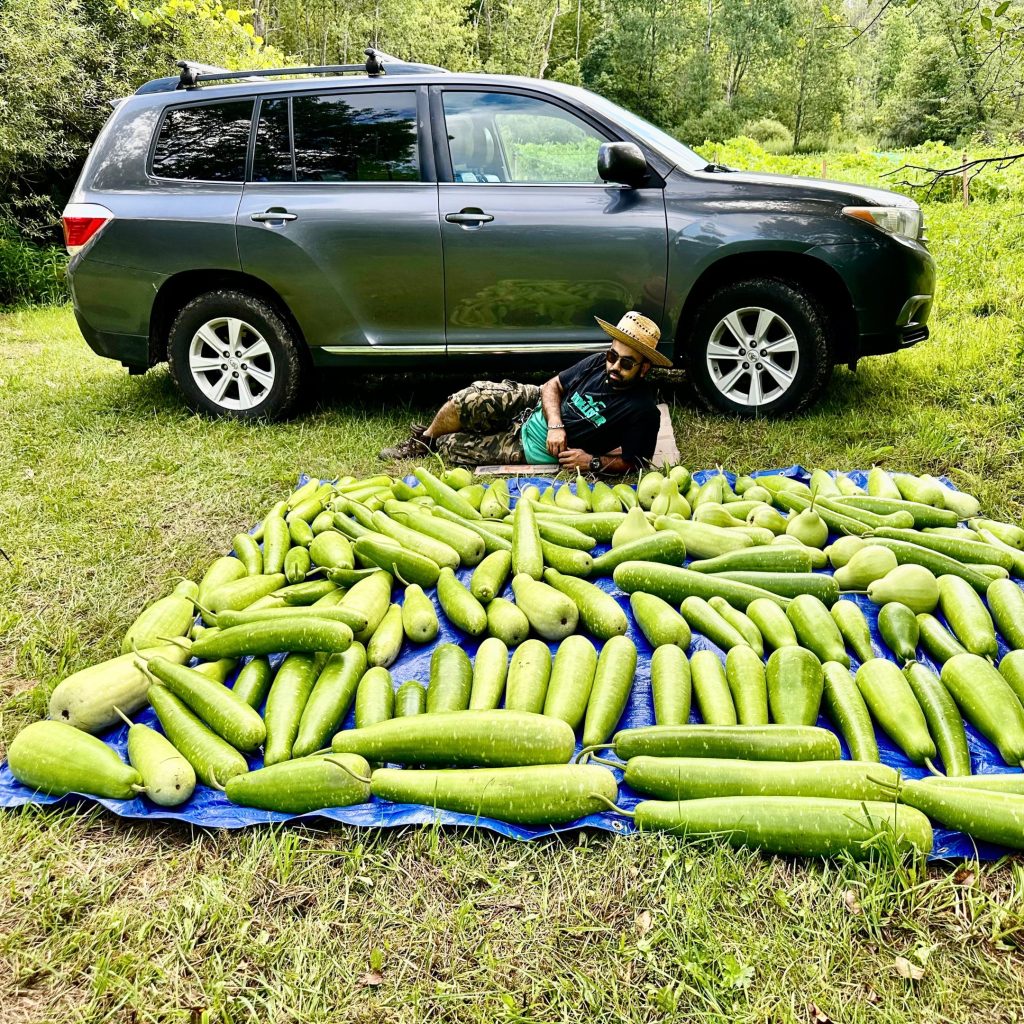
If you want a productive, culturally loved, and highly rewarding warm-season vegetable, Bottle Gourd Seeds are an excellent choice for U.S. home gardens. With warm soil, a strong trellis, steady watering, and good airflow, bottle gourd can produce abundant harvests through summer and early fall. For gardeners who enjoy traditional Asian vegetables—or anyone looking for a vigorous and versatile summer vine—bottle gourd offers excellent flavor, strong yield potential, and outstanding garden appeal.