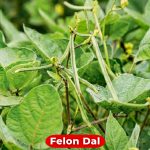
Felon Dal Seeds | Cowpea (Vigna Unguiculata) Seeds for Planting | 20 Grams
$2.00
Description
Felon Dal is the regional name used in Bangladesh for cowpea, one of the world’s oldest cultivated legumes and a staple warm-season crop in home gardens throughout the United States. Botanically classified as Vigna unguiculata (L.) Walp., this versatile bean is sold under many different names depending on where you are in the country and how it’s prepared.
Common / Local Names (USA & Worldwide)
| Region / Context | Common Name |
| Southern United States | Southern pea, field pea |
| General US / culinary | Black-eyed pea, blackeye pea, cowpea |
| Seed-shape based | Crowder pea (seeds “crowded” tightly in the pod) |
| US heirloom varieties | Purple hull pea, lady pea, pinkeye pea |
| Long-pod type | Yardlong bean, asparagus bean, Chinese long-bean (a related subspecies) |
| West African origin | Niébé, ñebbe |
| Bangladesh / South Asia | Felon, Felon Dal |
| Botanical/scientific | Vigna unguiculata (L.) Walp.; older synonym: Vigna sinensis |
About This Crop
Cowpea is believed to have originated in West Africa and has been cultivated for thousands of years, spreading through Asia, the Caribbean, and the Americas. The word “cowpea” first appeared in American agricultural writing in 1798, likely because the plant was widely grown as fodder for cattle. Today it’s grown commercially in the southern United States (notably California and across the Southeast) and is a backyard-garden favorite from the Carolinas to the desert Southwest.
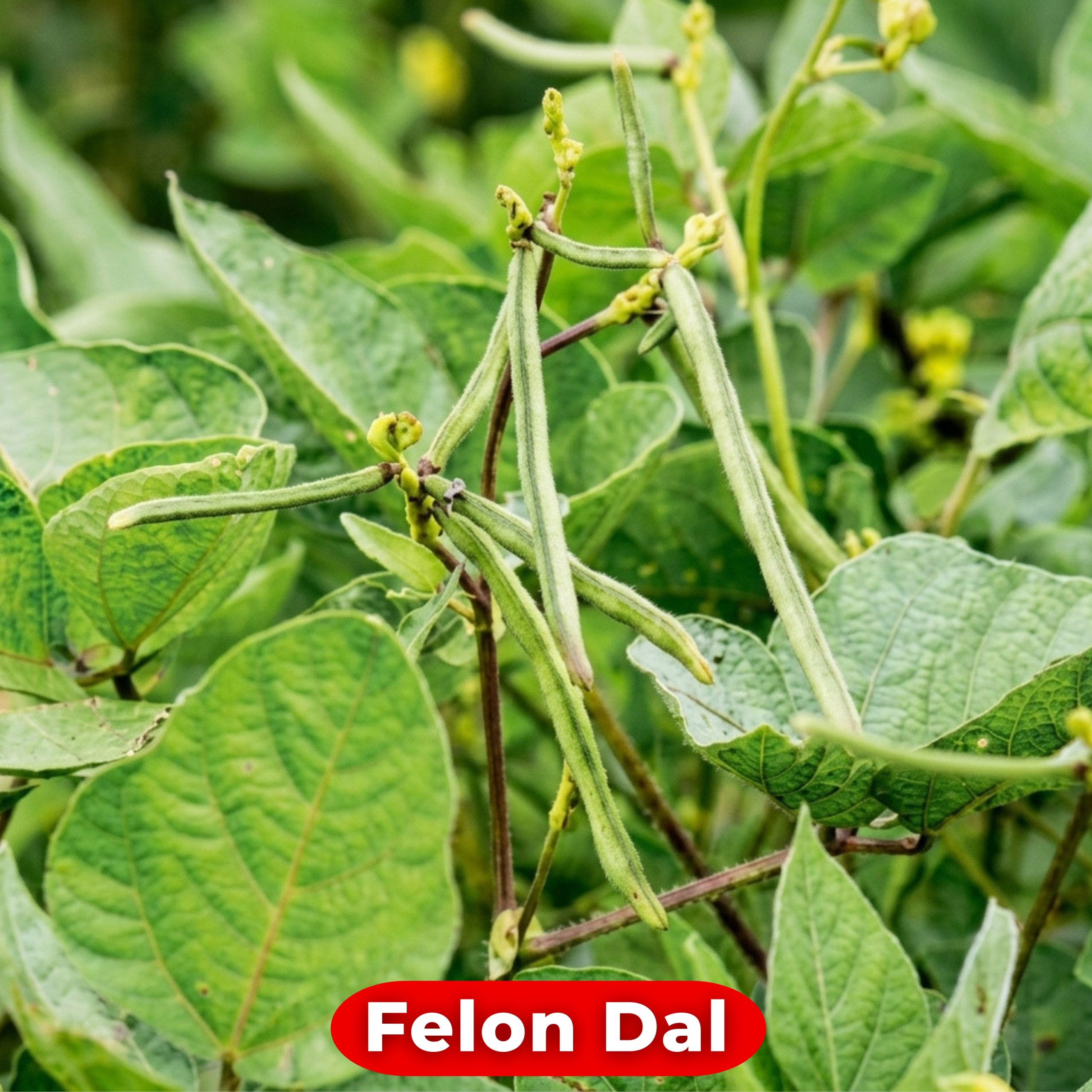
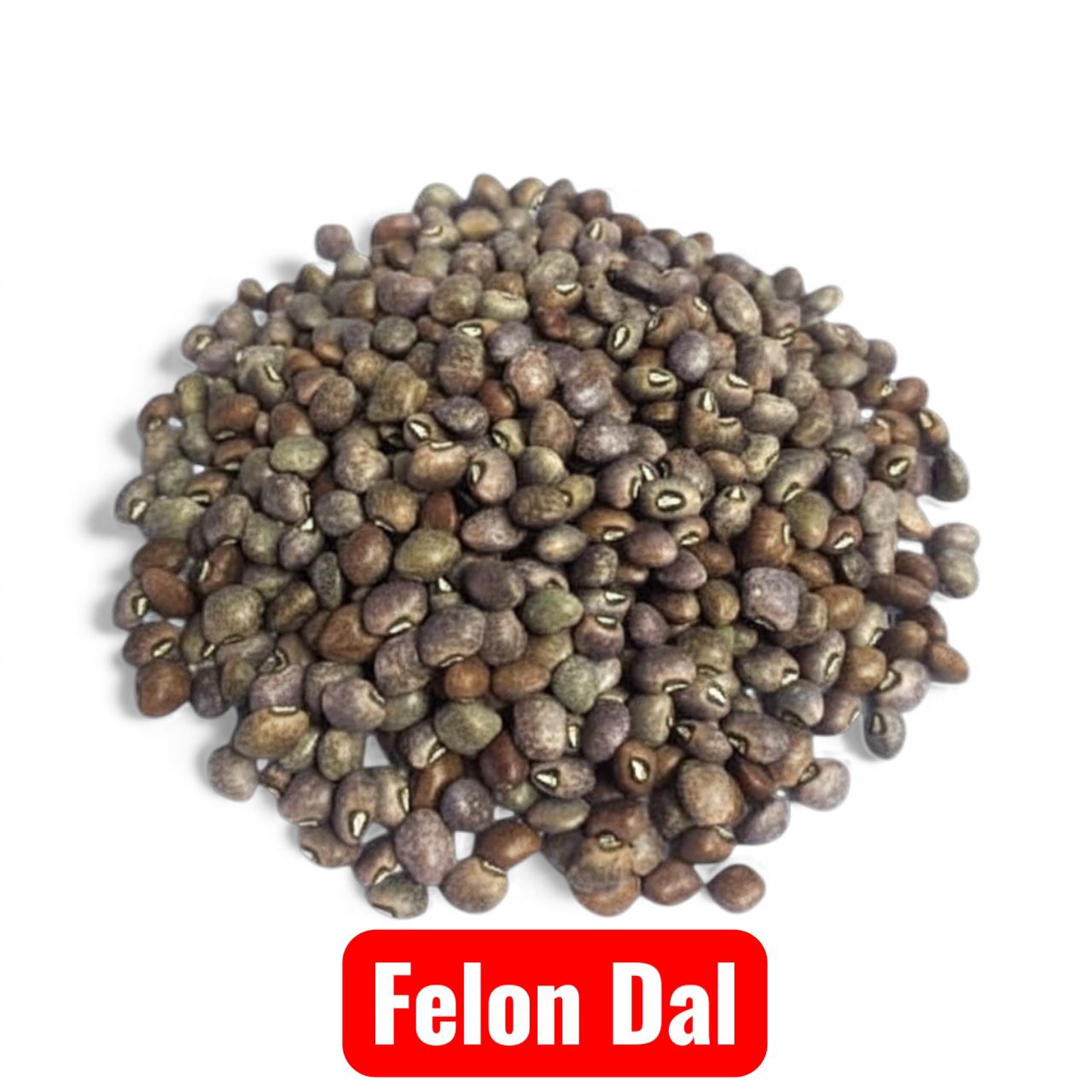
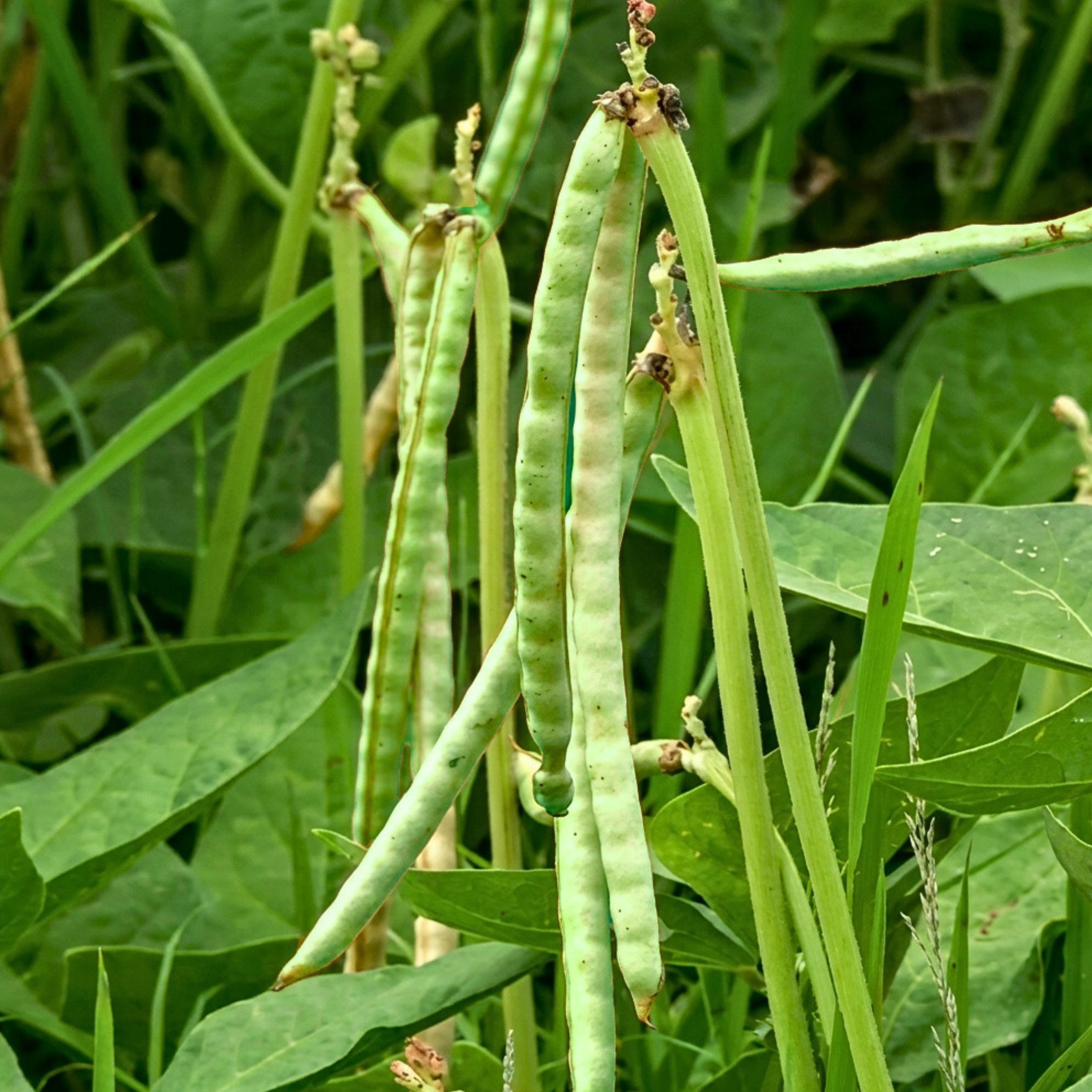
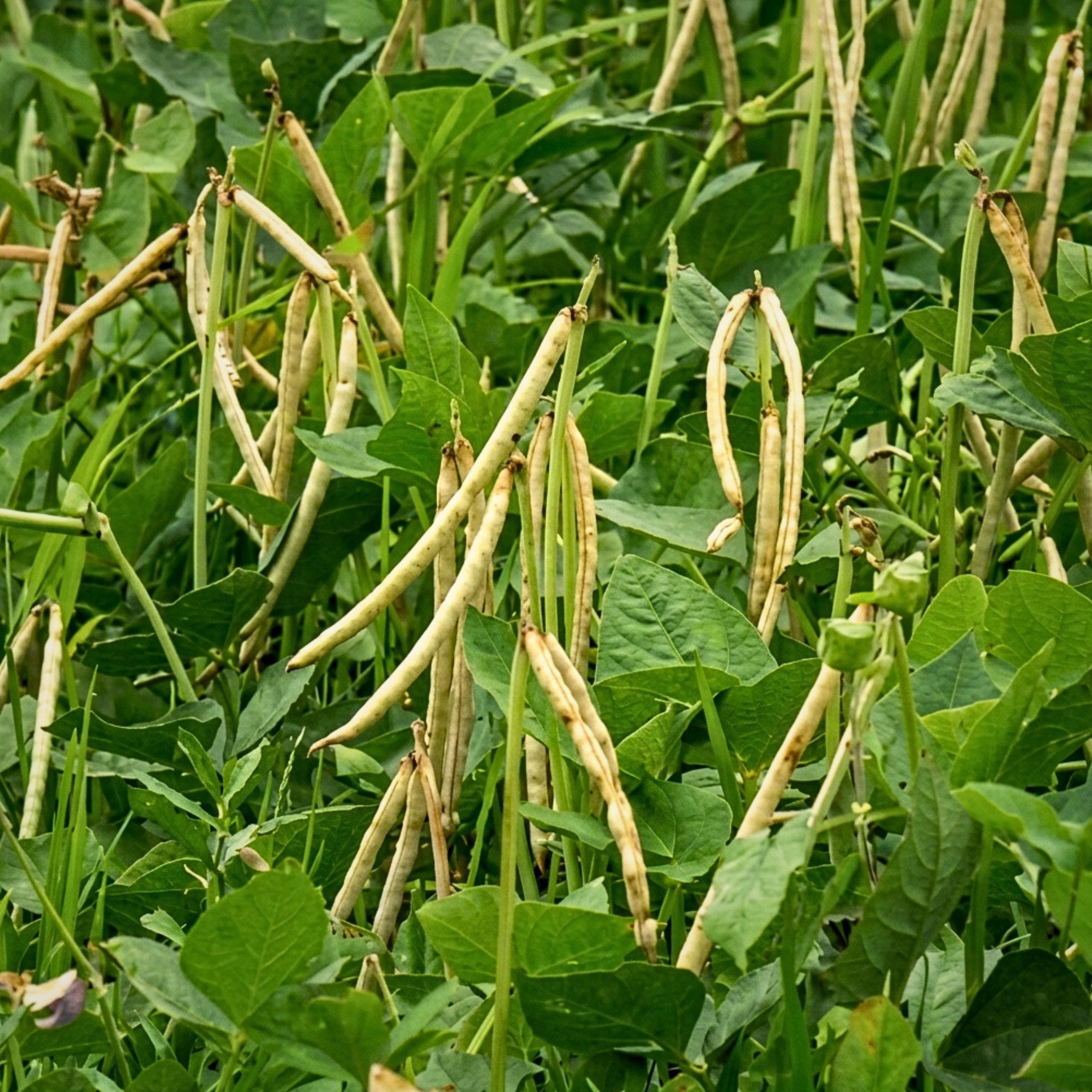
The plant is an annual, warm-season legume in the bean family (Fabaceae) that grows as a bush or a vigorous climbing vine, typically reaching 2–3 feet tall (taller if vining and trellised). Its slender, cylindrical pods — usually pale green ripening to tan, yellow, or brown — hang in pairs from long peduncles above the foliage, making them easy to spot and harvest. Each pod holds 8–20 kidney-shaped seeds that range in color from white and cream to black, red-brown, or speckled, often with the signature dark “eye” at the seed scar that gives black-eyed peas their name.
Cowpea seeds, pods, and even the tender young leaves are all edible — the seeds alone contain roughly 23–29% protein, making this crop a valuable, low-cost source of plant-based nutrition that’s earned it the nickname “poor man’s meat” in many growing regions.
Why Gardeners and Growers Choose Cowpea
Few warm-season legumes are as forgiving. Cowpea tolerates soils with up to 85% sand, shrugs off drought once established, and actually performs poorly with too much nitrogen fertilizer — because its root nodules fix their own atmospheric nitrogen, enriching the soil for whatever you plant next. This makes it equally popular as a food crop, a cover crop for weed suppression and soil building, and a forage/fodder crop for livestock.
Growing Information
- Botanical name: Vigna unguiculata (L.) Walp.
- Plant type: Warm-season annual legume (bush or vining habit)
- Days to maturity: ~60–90 days for fresh/green harvest; allow 2–3 extra weeks for fully dried seed
- Sun: Full sun (8+ hours daily)
- Soil: Well-drained, slightly acidic to neutral (pH 5.5–6.6); tolerates poor and sandy soils
- Planting depth: 1–1.5 inches
- Spacing: 2–4 inches between seeds; rows 2–4 feet apart (give vining types extra room or a trellis)
- When to plant: Direct-sow outdoors 3–4 weeks after your last spring frost, once soil temperature is consistently above 65°F (do not start indoors — cowpea does not transplant well)
- Watering/fertilizing: Low water and fertilizer needs once established; avoid high-nitrogen fertilizers, which reduce pod set
- Harvest: Pick young for tender “snap” pods, at the green-shell stage for fresh shelling, or let pods dry fully on the plant for dry storage beans
How to Use Felon Dal / Cowpea
Mature dried seeds are cooked into curries, dal, soups, and stews — a familiar preparation for anyone who knows South Asian or Southern American cooking. Young, tender pods can be snapped and cooked like green beans, and the fresh “green-shell” peas can be boiled, frozen, or canned. Even the leaves and flowers are edible when cooked. Beyond the kitchen, cowpea is widely used as livestock forage and as a nitrogen-fixing cover crop to improve garden and farm soil between main-season plantings.
You must be logged in to post a review.
Related products
-
 Sold out!
Sponge Gourd Seeds – Chamak For Planting
Price range: $3.00 through $10.00 Select options This product has multiple variants. The options may be chosen on the product page -
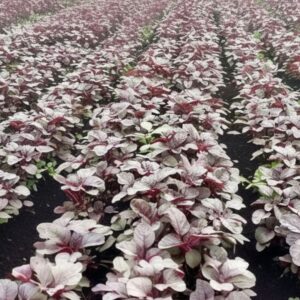
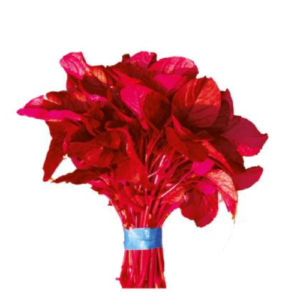
Red Amaranth (lal Shak) – Altapeti For Planting
Price range: $3.00 through $45.00 Select options This product has multiple variants. The options may be chosen on the product page -
 Sold out!
Sponge Gourd Seeds – White Angle For Planting
Price range: $3.00 through $10.00 Select options This product has multiple variants. The options may be chosen on the product page -
 Sold out!
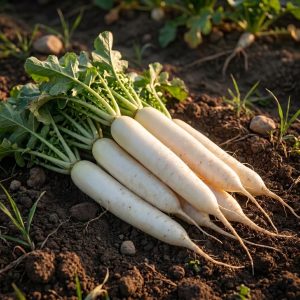
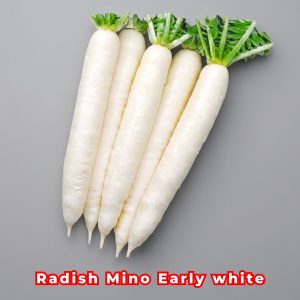
Radish Mino Early White Seeds | Raphanus Sativus Seeds | White Daikon Radish Premium Non-GMO Vegetable Seeds for Home Garden & Farm
Price range: $2.00 through $7.00 Select options This product has multiple variants. The options may be chosen on the product page


Reviews
There are no reviews yet.