
Watermelon Yellow Petite Icebox Seeds – Sweet Yellow-Fleshed Melons
$3.00
Watermelon Yellow Petite Icebox Seeds grow round, striped melons that slice open to reveal sweet, juicy yellow flesh. The smaller fruit is easy to chill whole for summer snacks, and Mahin Agro ships tested seed lots from Guilford, New York. Get free US shipping on seed orders over $20.
Product information
- Variety and botanical name — Watermelon Yellow Petite Icebox (Citrullus lanatus).
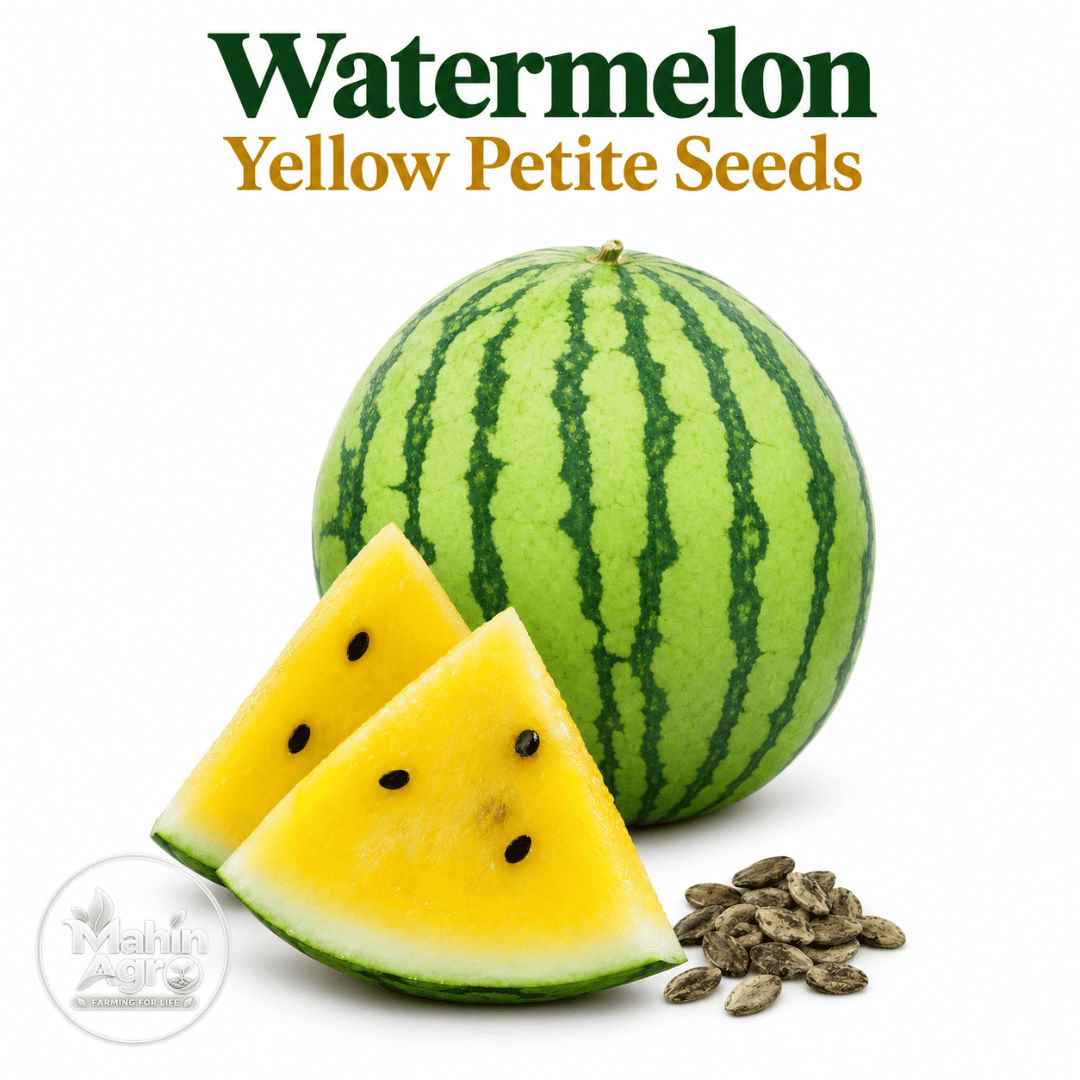
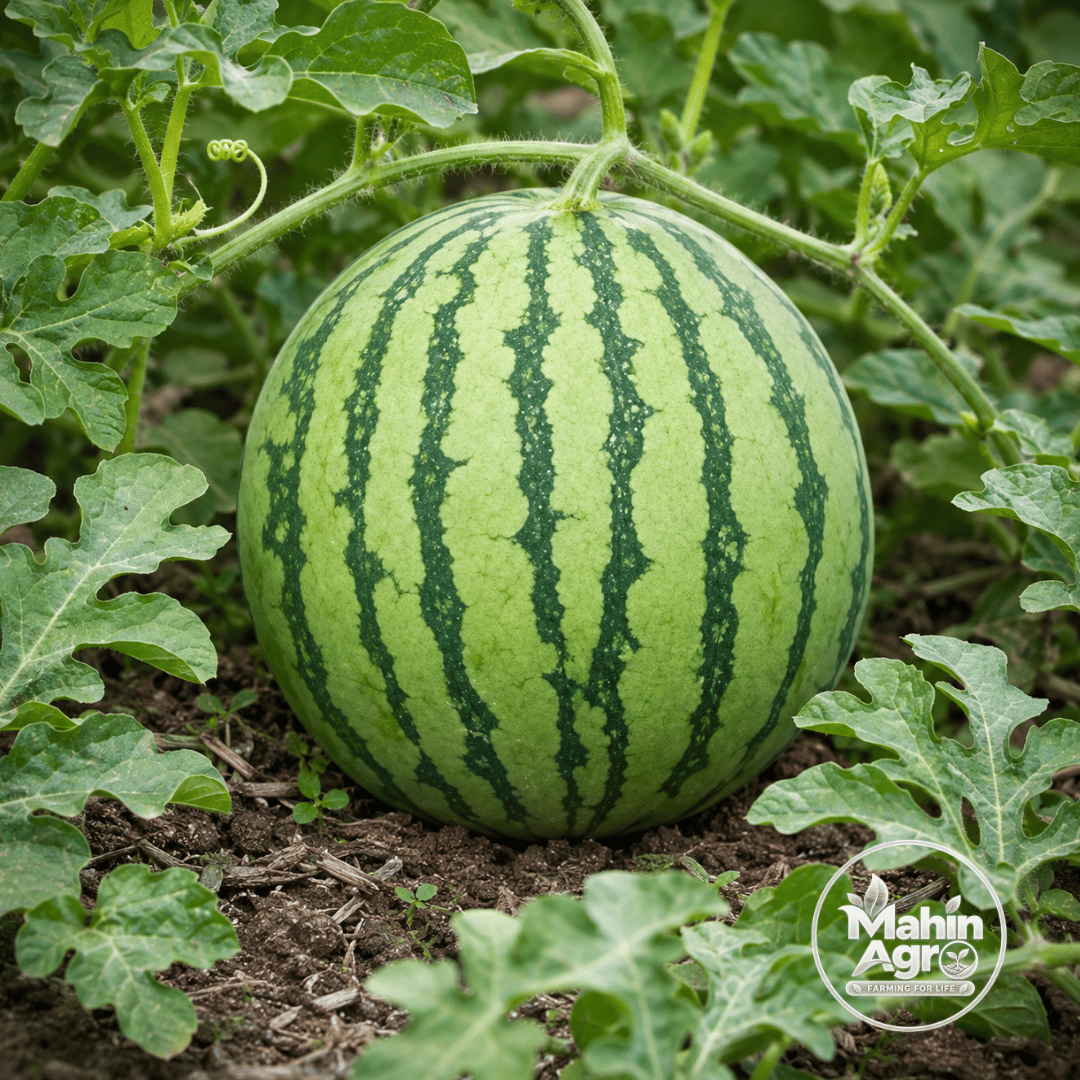
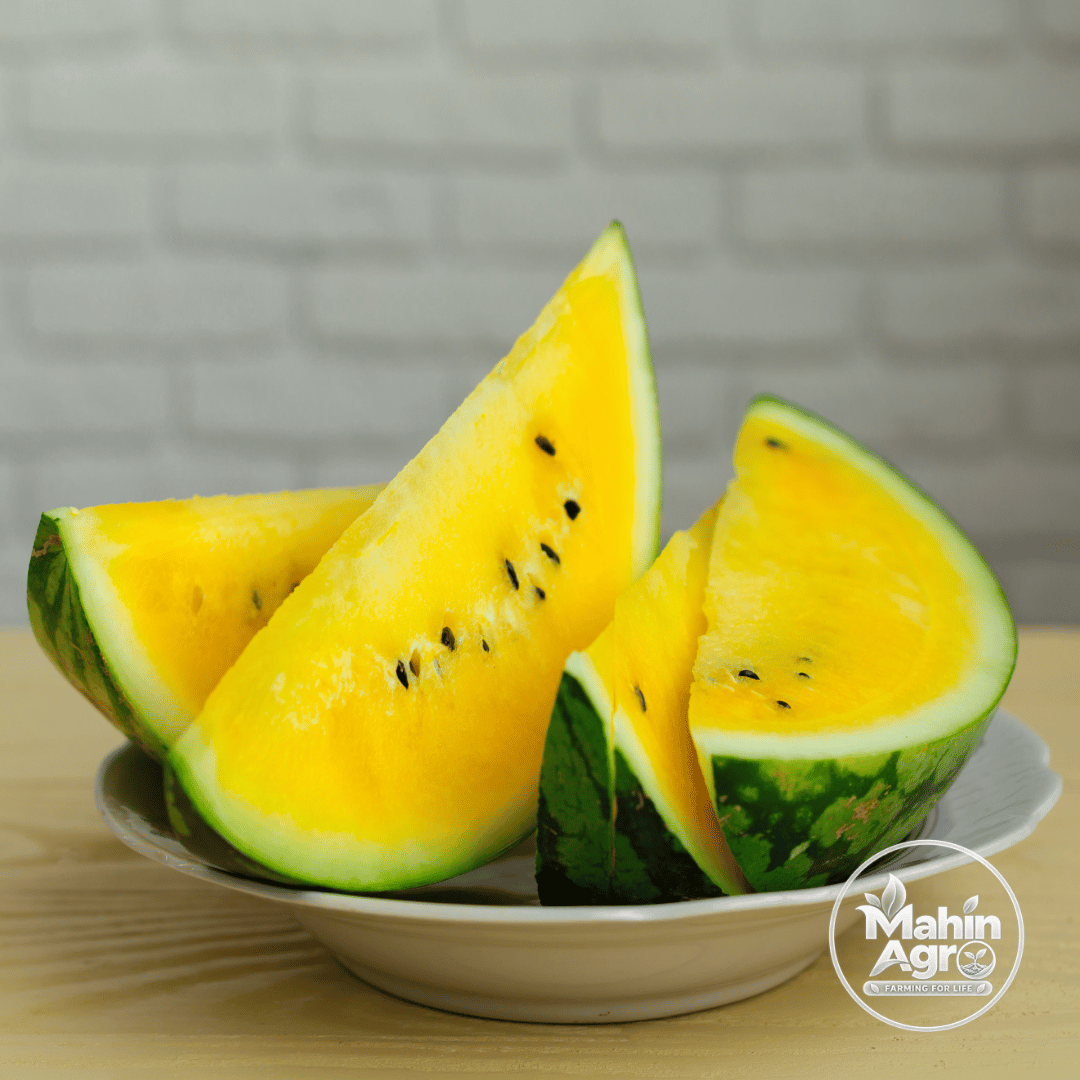
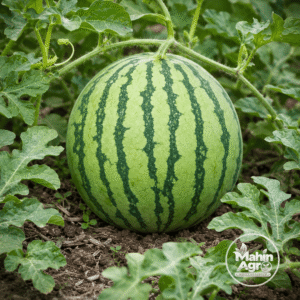
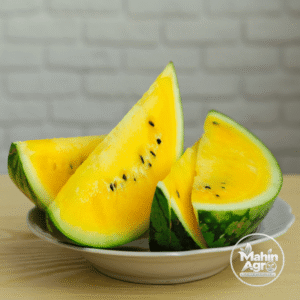
- Fruit — Round, with a light green rind, dark green stripes, and bright yellow flesh.
- Seed density and germination — Approximately 14–17 seeds per gram.
- Outdoor sowing — About 2–4 weeks after the last spring frost.
- Harvest and yield — Estimated maturity of 65–80 days.
Description
Watermelon Yellow Petite Icebox Seeds give you a striped melon with a bright yellow center and a size that’s easy to chill, slice, and share. Plant it in a sunny spot with room for the vines, then pick it when the ground spot turns creamy yellow and the tendril nearest the fruit dries.
Overview & Origin
Yellow Petite is a seeded, yellow-fleshed watermelon in the icebox class. The photos show its round shape, light green rind with dark stripes, and yellow flesh with visible dark seeds. “Icebox” describes the smaller fruit size, which makes a whole melon easier to fit in the refrigerator. Washington State University evaluated Yellow Petite as an icebox variety in its 2005 field trial. Watermelon as a crop originated in Africa.
Growing Guide & Soil Requirements
Pick a sunny, well-drained spot
Choose a garden bed in full sun with loose, well-drained soil. Work in finished compost if needed and aim for a soil pH around 6.2–6.6. Raised beds can help the soil warm sooner in areas with cool springs.
Sow in warm soil and give the vines room
Direct sow ½–1 inch deep about 2–4 weeks after the last spring frost, once the soil reaches at least 70°F. Sow two or three seeds at each planting spot, then thin to the strongest seedling. Leave 3–5 feet between plants and 6–8 feet between rows. If you garden in a short-season area, start seeds indoors 2–4 weeks before your last spring frost in individual pots. Harden off the seedlings and transplant with minimal root disturbance once the outdoor soil is warm.
Water at the base and give bees access
Keep the seedbed evenly moist during germination. Once vines are established, water deeply at the base, aiming for roughly 1–2 inches per week, including rainfall. Keep moisture steady as fruit expands, then taper watering as the melons ripen. If you use row covers for warmth, remove them at flowering so bees can reach the blossoms.
Pick by ripeness cues
Use 65–80 days as a planning estimate. Cool weather can extend the wait. Look for a dry brown tendril close to the fruit stem and a creamy yellow spot where the melon rests on the soil. Cut the fruit from the vine when ripe. Watermelon stops ripening once picked.
Flavor and Use
The sweet, juicy yellow flesh is good chilled in wedges, cubed into fruit salads, or blended with lime and mint. For a summer snack familiar to many Bangladeshi and South Asian households, serve it cold with a squeeze of lime and a pinch of salt or chaat masala.
Why do gardeners love this?
A whole Yellow Petite is easier to chill and cut than a large picnic watermelon. The striped rind gives little away until you slice it open, which makes the bright yellow center a fun addition to a garden harvest or picnic plate. It’s a good fit for a sunny bed with room for vines to spread.
Frequently Asked Questions
When should I plant Yellow Petite Icebox watermelon seeds?
Direct sow about 2–4 weeks after your last spring frost, once the soil reaches at least 70°F. In short-season areas, you can start seeds indoors 2–4 weeks before the last frost and transplant when the ground warms.
How long does Yellow Petite watermelon take to mature?
Plan on an estimated 65–80 days. Local temperatures and growing conditions affect timing, so check for both a dry tendril near the stem and a creamy yellow ground spot before picking.
Does Yellow Petite Icebox watermelon have seeds?
Yes. Yellow Petite produces seeded fruit with yellow flesh and a striped green rind.
Why choose Mahin Agro?
Mahin Agro tests seed lots for viability and dispatches them from Guilford, New York. Your website order ships within the US, so it doesn’t go through international customs in transit to you. Add Yellow Petite to your summer seed order and get free US shipping on seed orders over $20.
Find more Seeds here.
Additional information
| weight | 1 Gram |
|---|
Related products
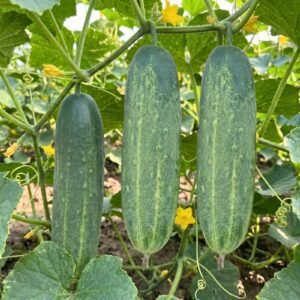
Cucumber
Cucumber Banolota Seeds | Non-GMO Early High-Yield Green Slicing Cucumber for Home Gardens & Farms


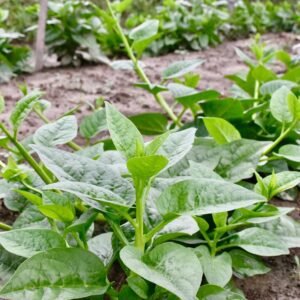

Indian Spinach






Indian Spinach
Pui Shak Green (Regular) Thin Vines Seeds | Malabar Spinach Seeds for Ground & Trellis Growing

Ridge Gourd



Bitter Gourd
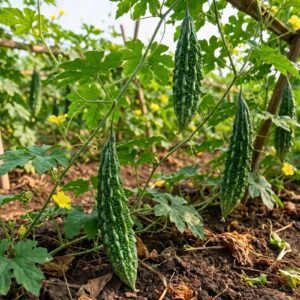
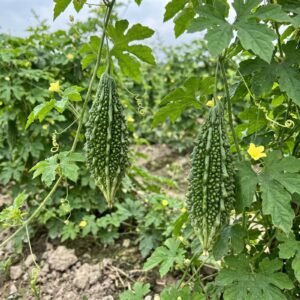
Bitter Gourd Lima Seeds | Premium Long Green Bitter Melon (Karola) Seeds for Home Gardens & Farms


Bitter Gourd
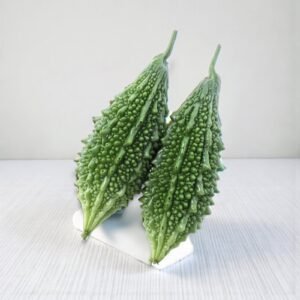
Bitter Gourd Bijoy Seeds | Early Maturing Mini Bitter Melon Seeds for Home Gardens & Farms
Herbs/Microgreens
Red Amaranth
Red Amaranth Lal Tuktuki Seeds – Bangladeshi Lal Shak (Amaranthus tricolor) For Planting


Bottle Gourd







Cucumber
Cucumber (Khira) Naogan-5 Seeds | Early Deep Green Cucumber for Home Gardens & Farms | Non-GMO Seeds