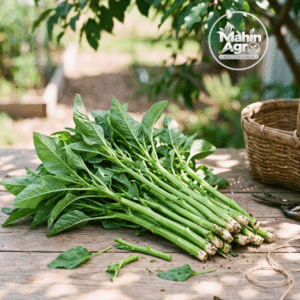
Amaranth (Sabuj Danta) Seeds | Edible Green Stem Amaranth (Amaranthus tricolor) online in the USA

Price range: $2.00 through $50.00
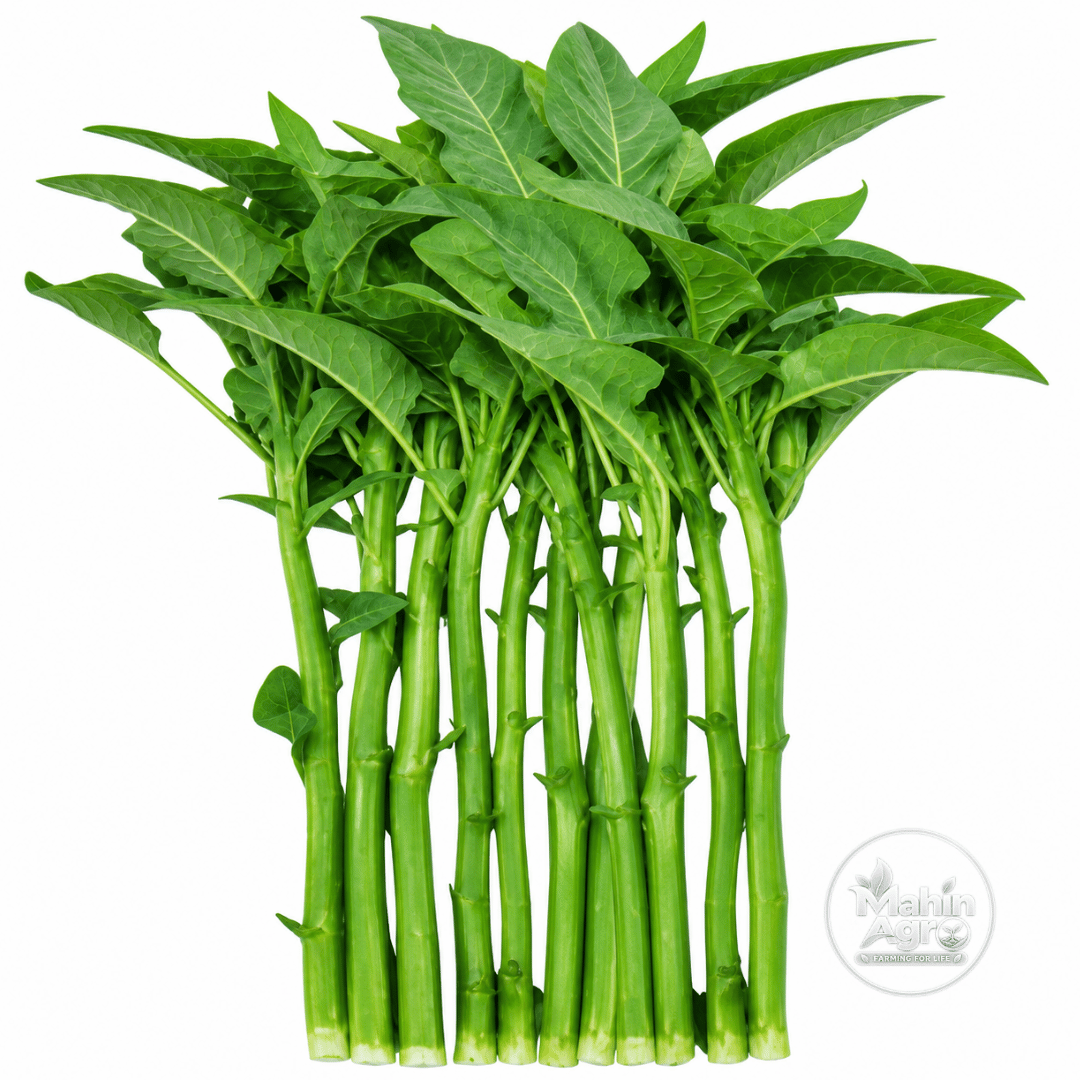
Grow familiar South Asian greens in your summer garden with Amaranth (Sabuj Danta) Seeds from Mahin Agro. Harvest tender young stems and green leaves for curries, stir-fries and everyday vegetable dishes. This warm-season crop grows best with sunshine, warm soil and steady moisture.
Product Information
- Variety Name: Amaranth (Sabuj Danta) Seeds
- Fruit Color: Green
- Scientific Name: Amaranthus tricolor
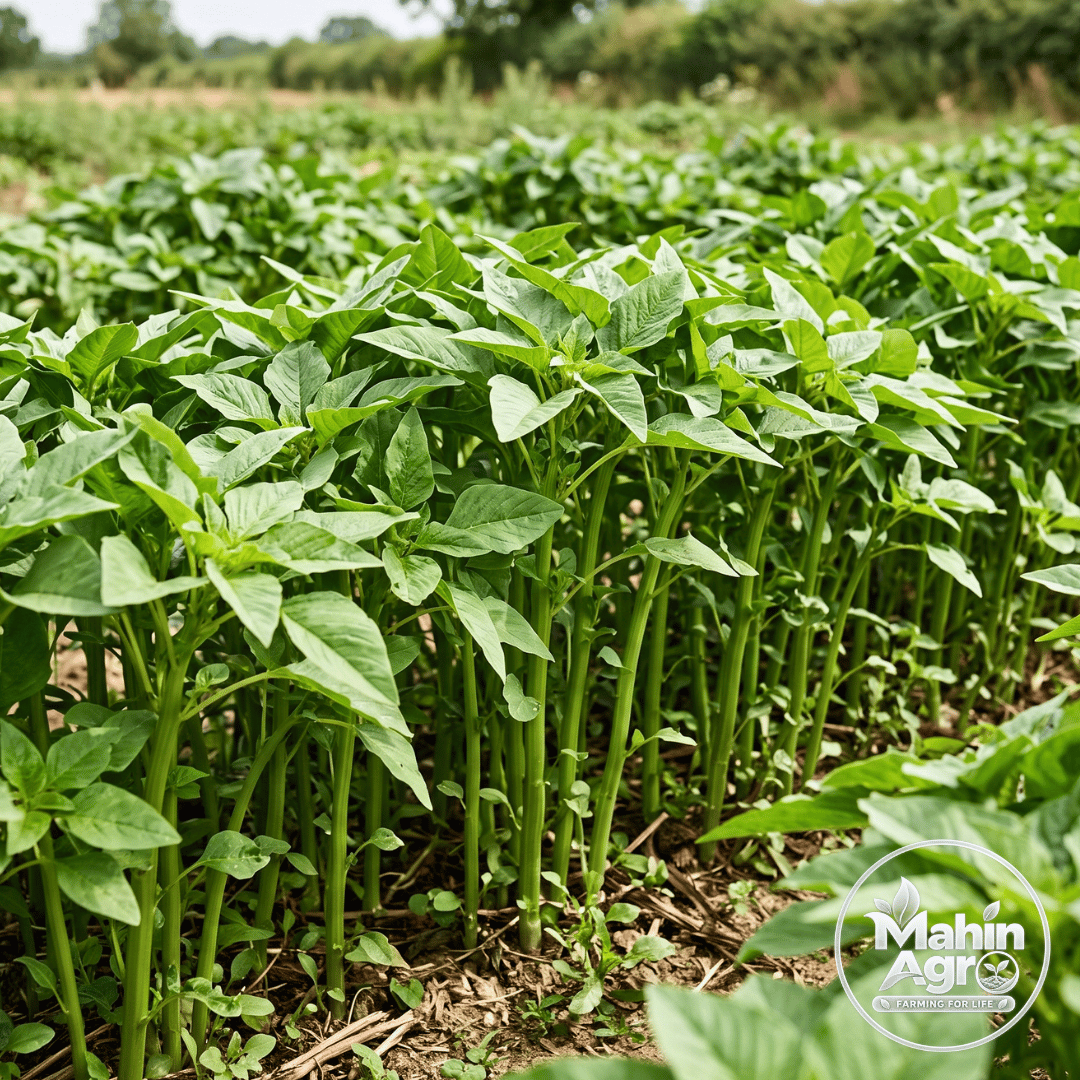
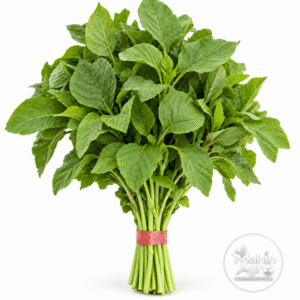
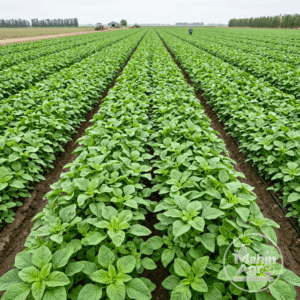
- Crop appearance: Green stems and leaves; an edible warm-season annual.
- Harvest estimate: Reported 30–35-day window in favorable conditions; timing varies with weather and harvest stage.
- Seed density: Approximately 860–900 seeds per gram.
- Field sowing reference: 15 g per decimal, equivalent to 435.6 square feet.
Description
Amaranth (Sabuj Danta) Seeds from Mahin Agro bring an edible stem vegetable to your home garden. Grow plants with green leaves and upright stems, then harvest tender growth for the kitchen.
Amaranthus tricolor is native to tropical Asia. Vegetable amaranth has a long history in Asian cooking, making it a familiar addition to gardens planted for Bangladeshi and other South Asian meals.
Growing Guide & Soil Requirements
When and where to plant
Sow outdoors after the danger of frost has passed and soil has warmed to about 70°F. Choose a sunny location with at least six hours of direct light; light afternoon shade can help in especially hot locations.
Plant according to your local climate. A February–June calendar is not suitable for every US region, and outdoor year-round planting requires consistently warm, frost-free conditions.
Soil, sowing depth and spacing
- Soil: Use fertile, well-drained soil; aim for a pH of 6.0–7.0.
- Sowing depth: Cover the small seeds lightly, approximately ⅛ inch deep.
- Plant spacing: Thin to about 8–12 inches between plants.
- Row spacing: Leave about 12–24 inches between rows.
- Feeding: Base fertilizer applications on a soil test and any compost already added.
These are general vegetable-amaranth starting guidelines; adjust spacing to plant vigor and the size of stems you want to harvest.
Watering and harvest
Water gently after sowing so the small seeds stay in place. Keep the seedbed evenly moist during establishment, then water as needed to avoid prolonged drying or saturated soil.
Flavor and Use
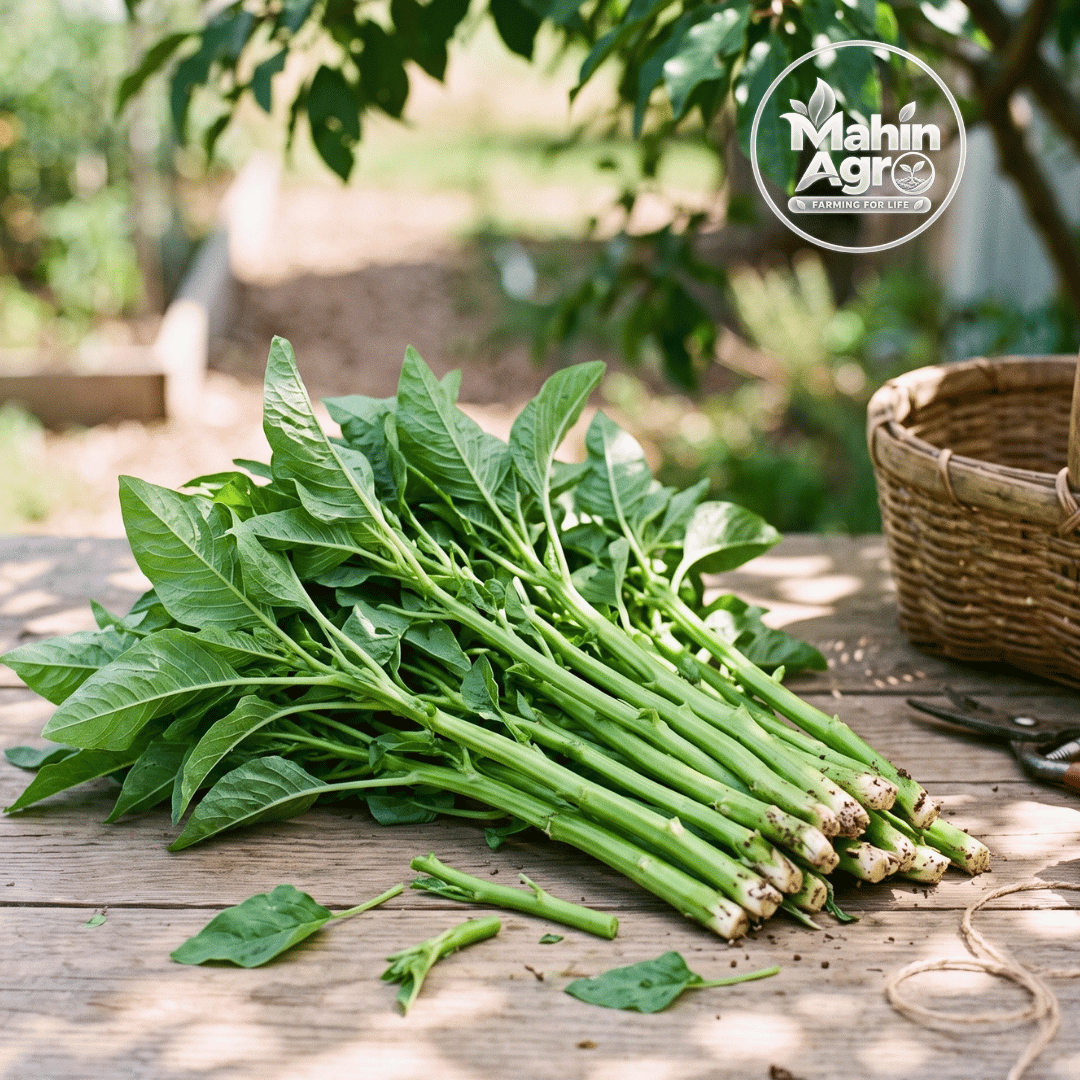
Young amaranth leaves have a mild flavor similar to spinach. Cook them in a quick garlic stir-fry, add them to soups or prepare them as saag. Tender stems also work in curries and vegetable side dishes.
Separate thicker stems from leaves when preparing a meal so each can cook to the texture you prefer.
Why Do Gardeners Love This?
- Leaves and stems: Grow two edible parts from the same planting.
- Summer interest: Add a leafy vegetable suited to warm growing conditions.
- Familiar cooking: Grow an ingredient for Bangladeshi and other South Asian meals.
- Flexible harvesting: Pick tender growth according to the dishes you plan to cook.
Frequently Asked Questions
What are Sabuj Danta amaranth seeds?
These are planting seeds for green stem amaranth, supplied as Amaranthus tricolor. The crop is grown for edible leaves and tender stems.
When should I plant Sabuj Danta in the United States?
Sow after the danger of frost has passed and the soil has warmed to about 70°F. Follow local conditions instead of using the same calendar dates nationwide.
How long does Sabuj Danta take to harvest?
The supplied estimate is 30–35 days in favorable growing conditions. Actual timing varies with weather, growing methods and whether you want young greens or larger stems.
Why Choose Mahin Agro?
Mahin Agro offers Sabuj Danta amaranth seeds for gardeners who want to grow this green stem vegetable at home and on commercial farms. Use the crop details and planting guide to plan your garden, then bring tender leaves and stems into the meals you enjoy.
Additional information
| weight | 10 Grams, 100 Grams, 50 Grams, 500 Grams |
|---|
Related products


Bitter Gourd



Red Amaranth





Indian Spinach

Herbs/Microgreens
Ridge Gourd


Indian Spinach
Pui Shak Green (Regular) Thin Vines Seeds | Malabar Spinach Seeds for Ground & Trellis Growing



Cucumber
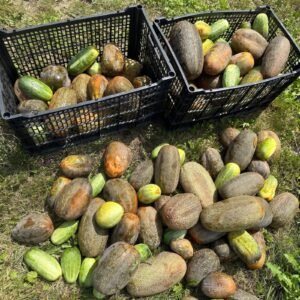
Cucumber (Khira) Naogan-5 Seeds | Early Deep Green Cucumber for Home Gardens & Farms | Non-GMO Seeds

Bitter Gourd
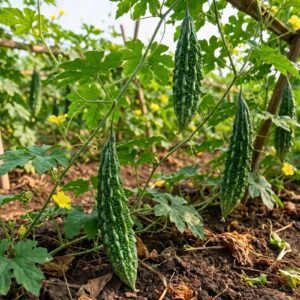
Bitter Gourd Lima Seeds | Premium Long Green Bitter Melon (Karola) Seeds for Home Gardens & Farms



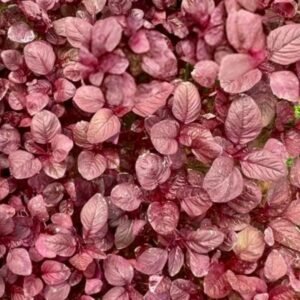
Red Amaranth
Red Amaranth Rakta Karabi Seeds – Bangladeshi Lal Shak | Amaranthus tricolor Leaf Vegetable Seeds
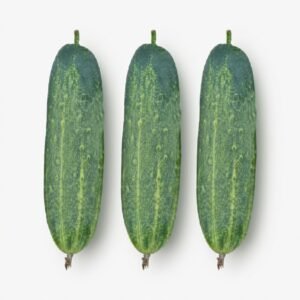
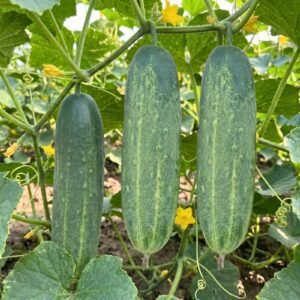
Cucumber
Cucumber Banolota Seeds | Non-GMO Early High-Yield Green Slicing Cucumber for Home Gardens & Farms