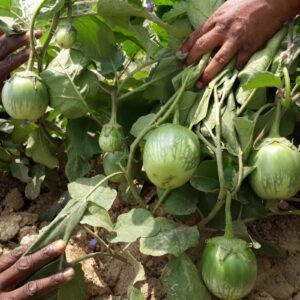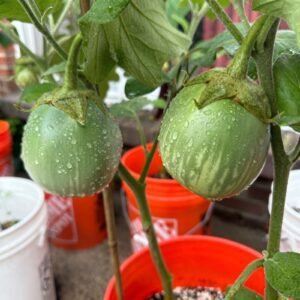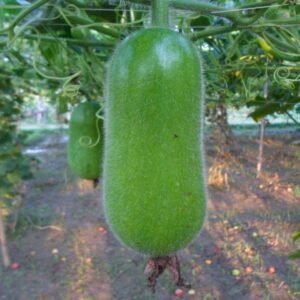
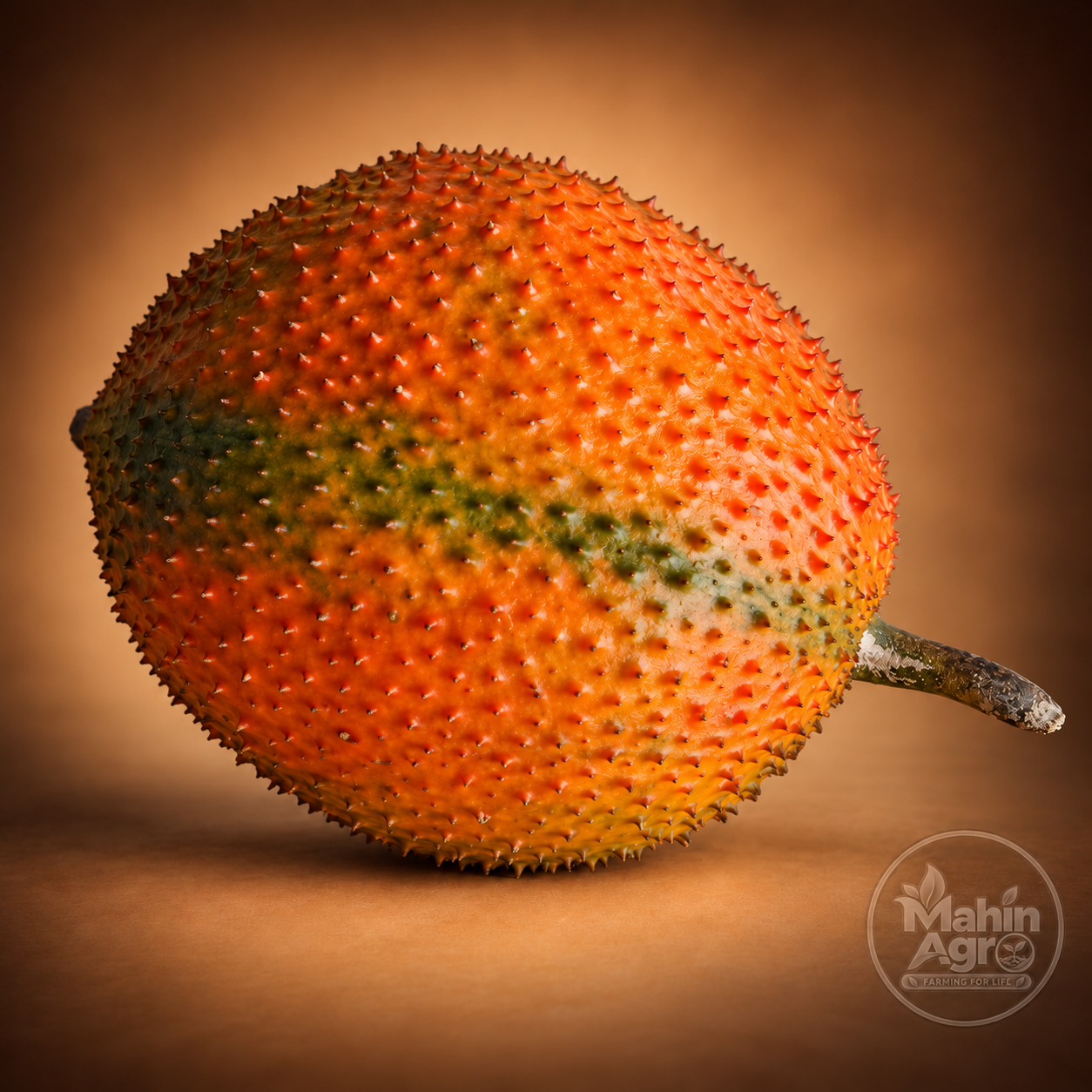
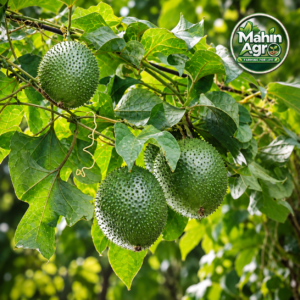
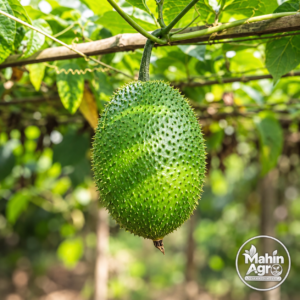
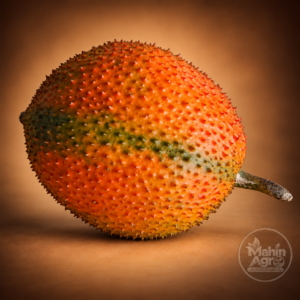
Gac Fruit (Wild Kakrol) Seeds-Giant Spiny bitter gourd (Momordica cochinchinensis) for Home Garden and Farm
Price range: $5.00 through $8.00
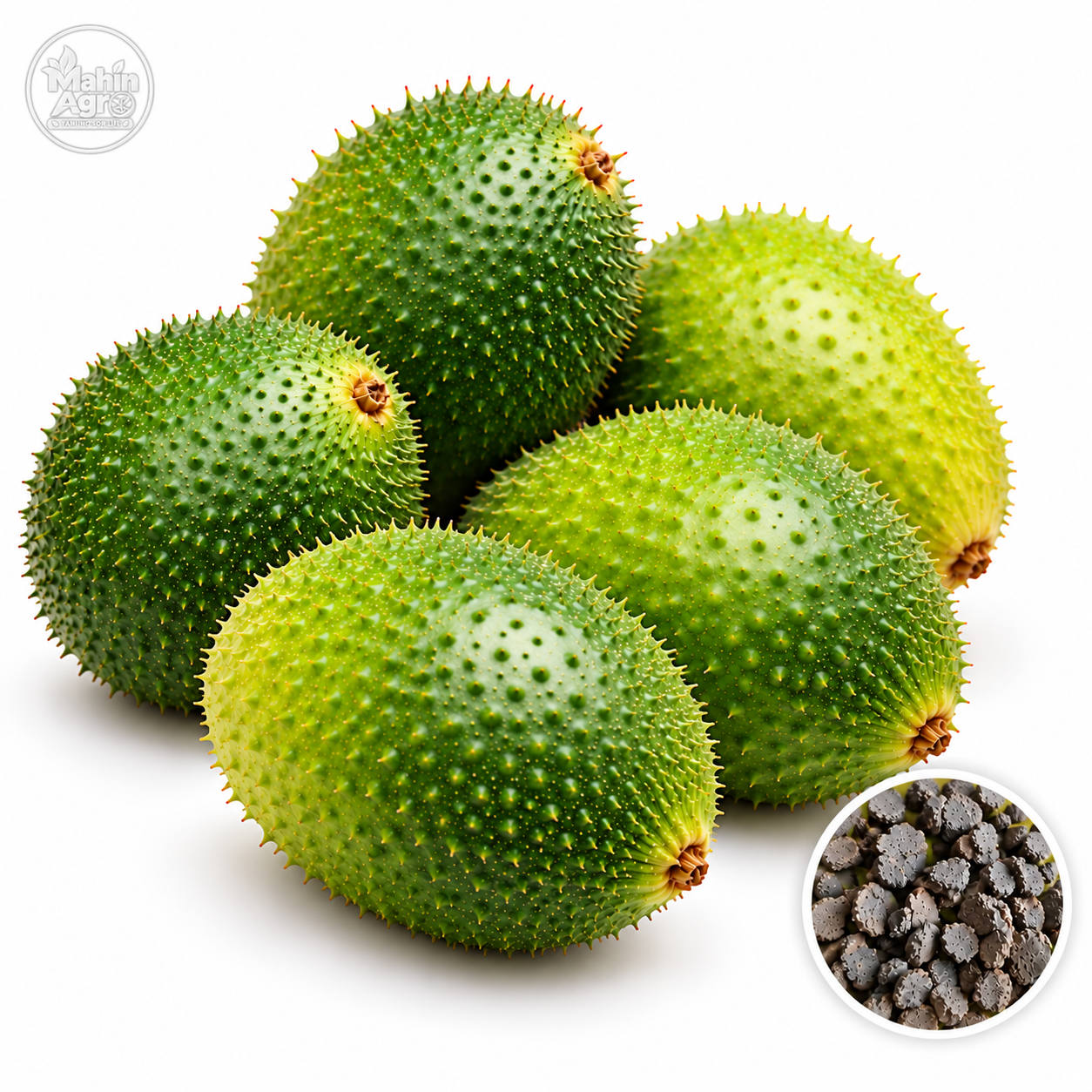
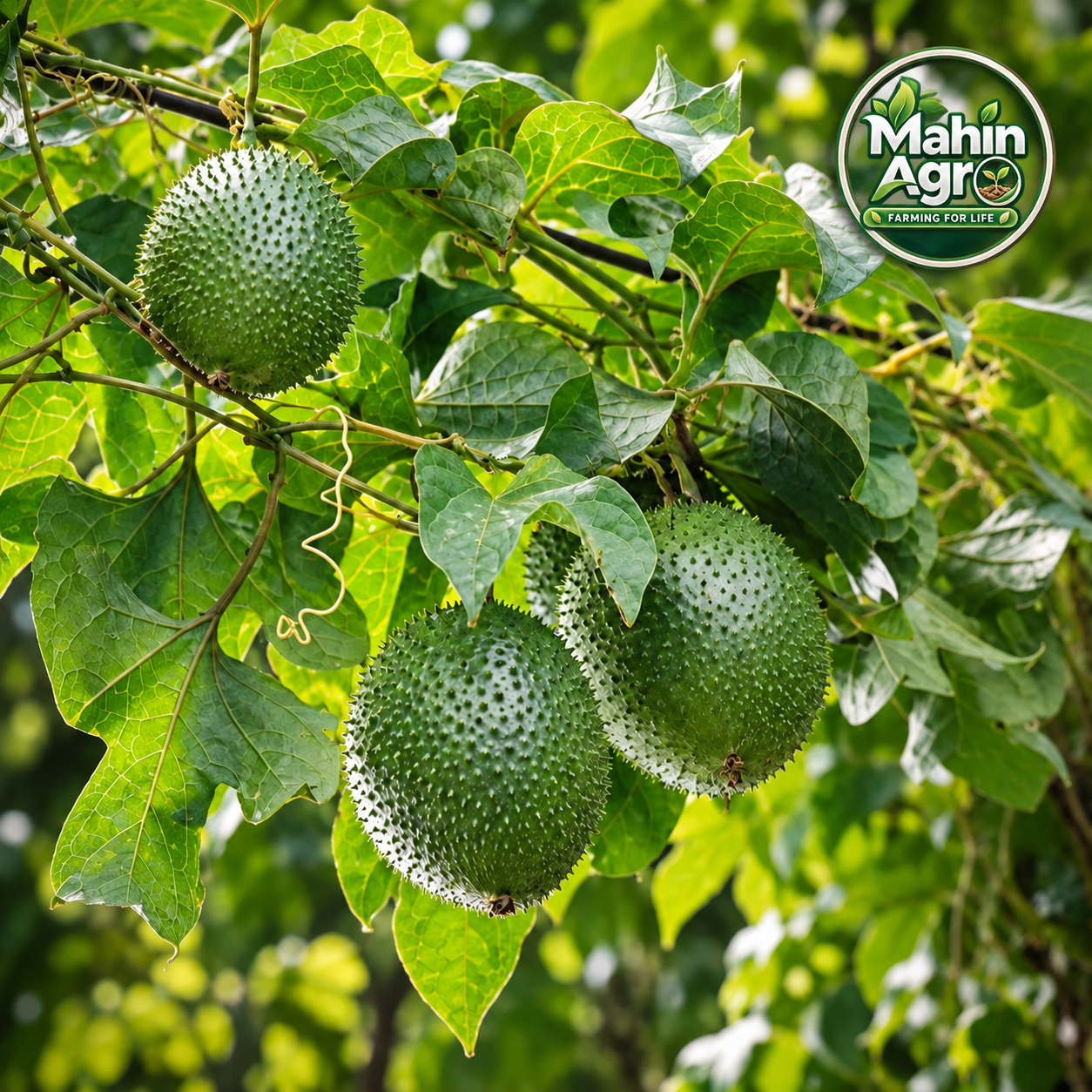
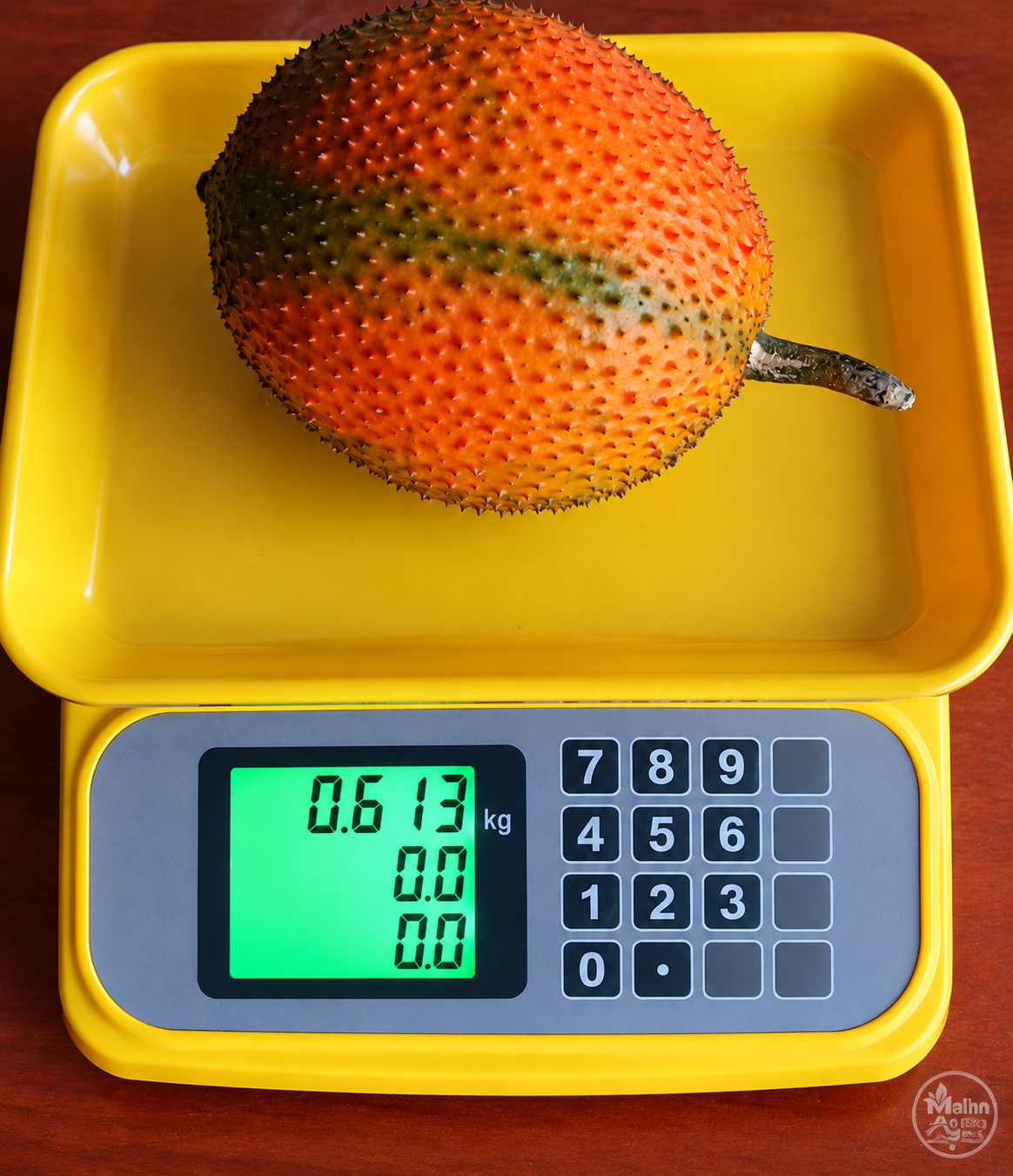
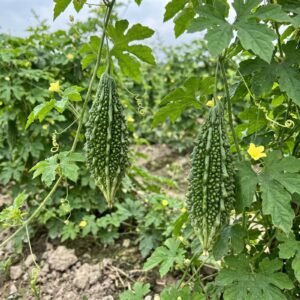
Grow a distinctive tropical climbing vine with Mahin Agro Gac Fruit (Wild Kakrol) Seeds. Also known as giant spiny bitter gourd and Cochinchin gourd, this plant produces spiny green fruits that turn orange to red when ripe. Give it warmth, a sturdy trellis and a long growing season; fruit production requires male and female plants.
Product Information
- Product: Gac Fruit (Wild Kakrol) Seeds for planting.
- Scientific name: Momordica cochinchinensis.
- Common names: Gac fruit, giant spiny bitter gourd, Cochinchin gourd and spiny bitter-cucumber.
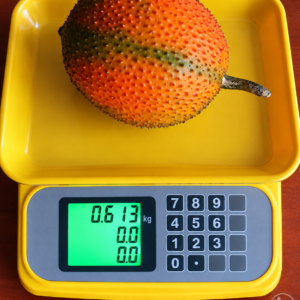
- Fruit color: Green when immature; orange to red when ripe.
- Plant type: Tropical perennial climbing vine with male and female flowers on separate plants.
Description
Gac Fruit (Wild Kakrol) Seeds grow Momordica cochinchinensis, a tropical climbing plant in the gourd family. It is native to Bangladesh and other parts of tropical and subtropical Asia, extending to northern Queensland, Australia.
Known as gac, giant spiny gourd and Cochinchin gourd, this plant brings a distinctive crop to gardens with suitable growing conditions. Its textured green fruits develop orange-to-red coloring as they mature.
Growing Guide & Soil Requirements
Sunlight, Soil and Support
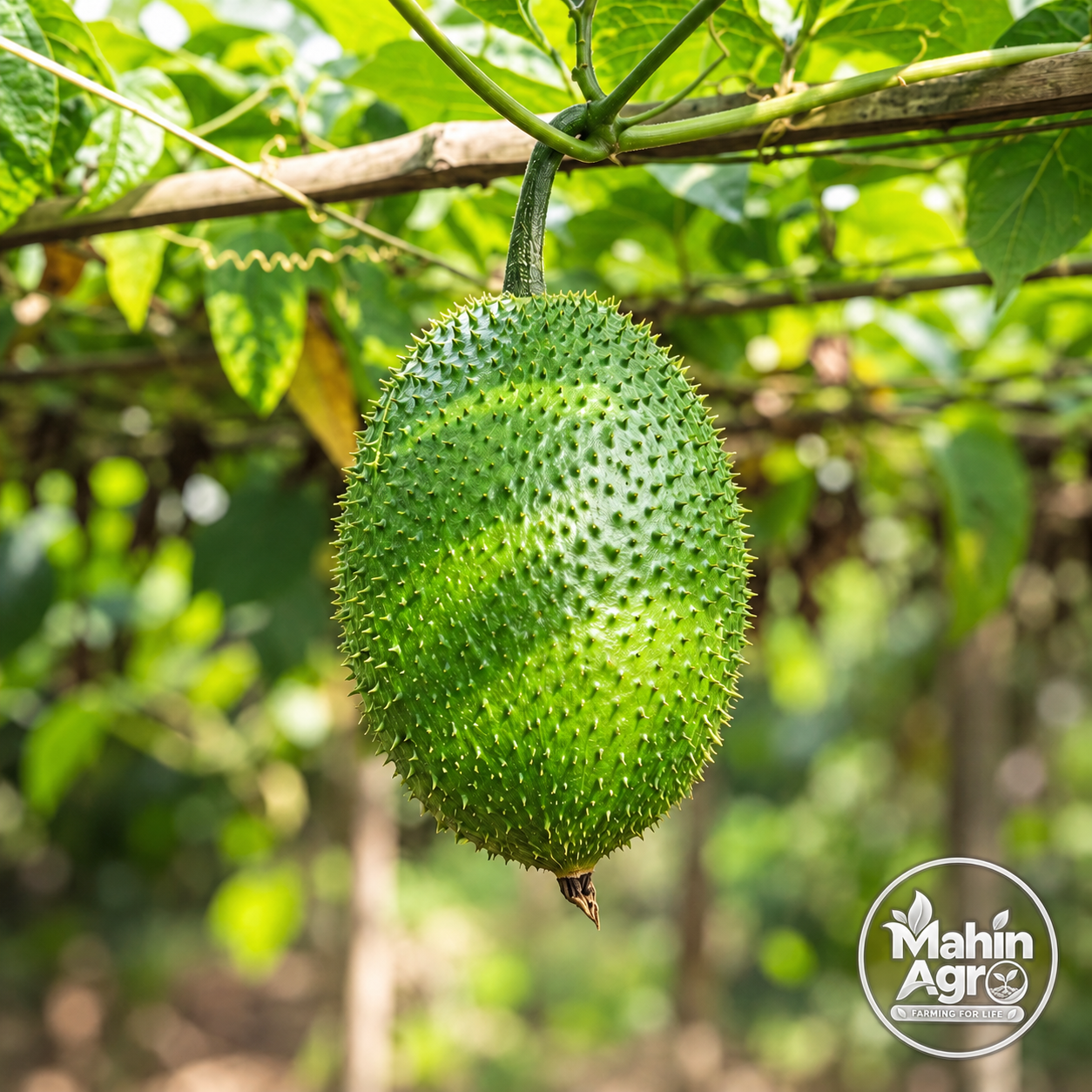
Choose a location with full sun and fertile, well-drained soil. Provide a sturdy trellis or overhead support with room for the vine to spread. Allow approximately 5 feet between plants and rows, adjusting the layout to your support system.
Sowing and Germination
Start seeds in a warm, well-drained seed-starting medium. Research supports germination temperatures of 77–95°F (25–35°C). The hard seed coat may benefit from careful scarification followed by overnight soaking in warm water. Avoid damaging the seed inside. Germination may take approximately 1–4 weeks under favorable conditions, but seed age, dormancy and growing conditions can cause slower or uneven emergence.
Watering and US Planting Season
Keep the growing medium evenly moist without leaving it waterlogged. Maintain drainage and allow room for air circulation. For outdoor growing, transplant after frost danger has passed and conditions are consistently warm. In regions with short summers, greenhouse cultivation may help provide the extended warmth this crop needs. Protect plants from frost.
Pollination and Harvest Expectations
Gac normally produces male and female flowers on separate plants. Grow multiple seedlings to improve the likelihood of having both sexes, but do not assume a packet will produce a particular male-to-female ratio. Female flowers require pollen from a male plant to set fruit. Hand pollination may help where insect pollination is insufficient. Allow a long warm growing season. Some seed-grown plants may not produce fruit until their second year; harvest timing depends on climate, plant development and pollination.
Flavor and Use
Gac is associated with Southeast Asian cooking, particularly the orange-red arils surrounding the seeds. These are traditionally used to color Vietnamese xoi gac rice.
Why Do Gardeners Love This?
- Distinctive spiny fruits that change color as they ripen.
- A tropical vine suited to spacious trellises and climbing structures.
- A crop connected with Southeast Asian culinary traditions.
- An opportunity to explore specialty gardening and hand pollination.
- A familiar regional name for gardeners who know the plant as Wild Kakrol.
Frequently Asked Questions
Is gac the same as ordinary bitter melon or small Kakrol?
No. This listing is for Momordica cochinchinensis. Ordinary bitter melon is Momordica charantia, while the smaller spiny gourd commonly associated with Kakrol or Kantola is Momordica dioica. Regional common names can overlap, so check the scientific name.
Will one gac plant produce fruit?
A single seed-grown plant should not be expected to fruit on its own. Gac normally has separate male and female plants, and a female plant needs pollen from a male plant for fruit production.
Why Is Mahin Agro the Best Choice?
Choose Mahin Agro Gac Fruit (Wild Kakrol) Seeds if you want to add this specialty tropical crop to your planting plans. We provide authentic Bangladeshi Seeds.
Additional information
| weight | 10 Seeds, 20 Seeds |
|---|
Related products




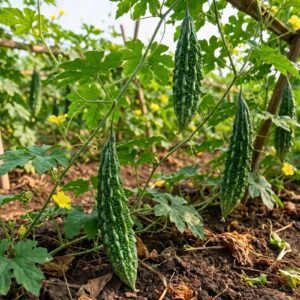
Bitter Gourd
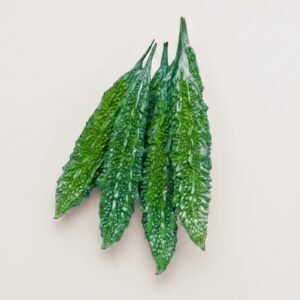
Bitter Gourd Lima Seeds | Premium Long Green Bitter Melon (Karola) Seeds for Home Gardens & Farms


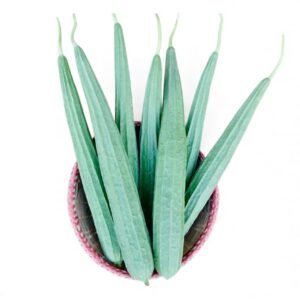
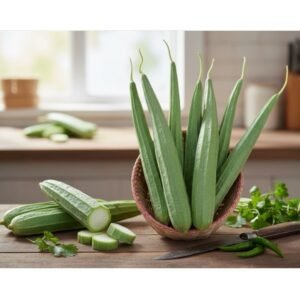
Ridge Gourd



Bitter Gourd
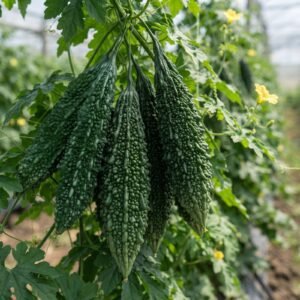
Bitter Gourd Bijoy Seeds | Early Maturing Mini Bitter Melon Seeds for Home Gardens & Farms

Bottle Gourd


Indian Spinach


Red Amaranth
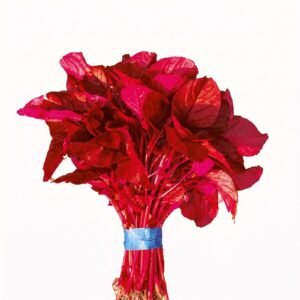
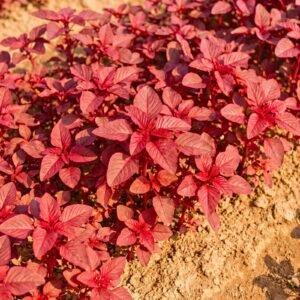
Red Amaranth Lal Tuktuki Seeds – Bangladeshi Lal Shak (Amaranthus tricolor) For Planting
Red Amaranth
Bitter Gourd
Red Amaranth
Red Amaranth Rakta Karabi Seeds – Bangladeshi Lal Shak | Amaranthus tricolor Leaf Vegetable Seeds