Cayenne Purple Pepper Seeds – Hot Chili Peppers for Home Gardens | Mahin Agro
Price range: $2.00 through $5.00
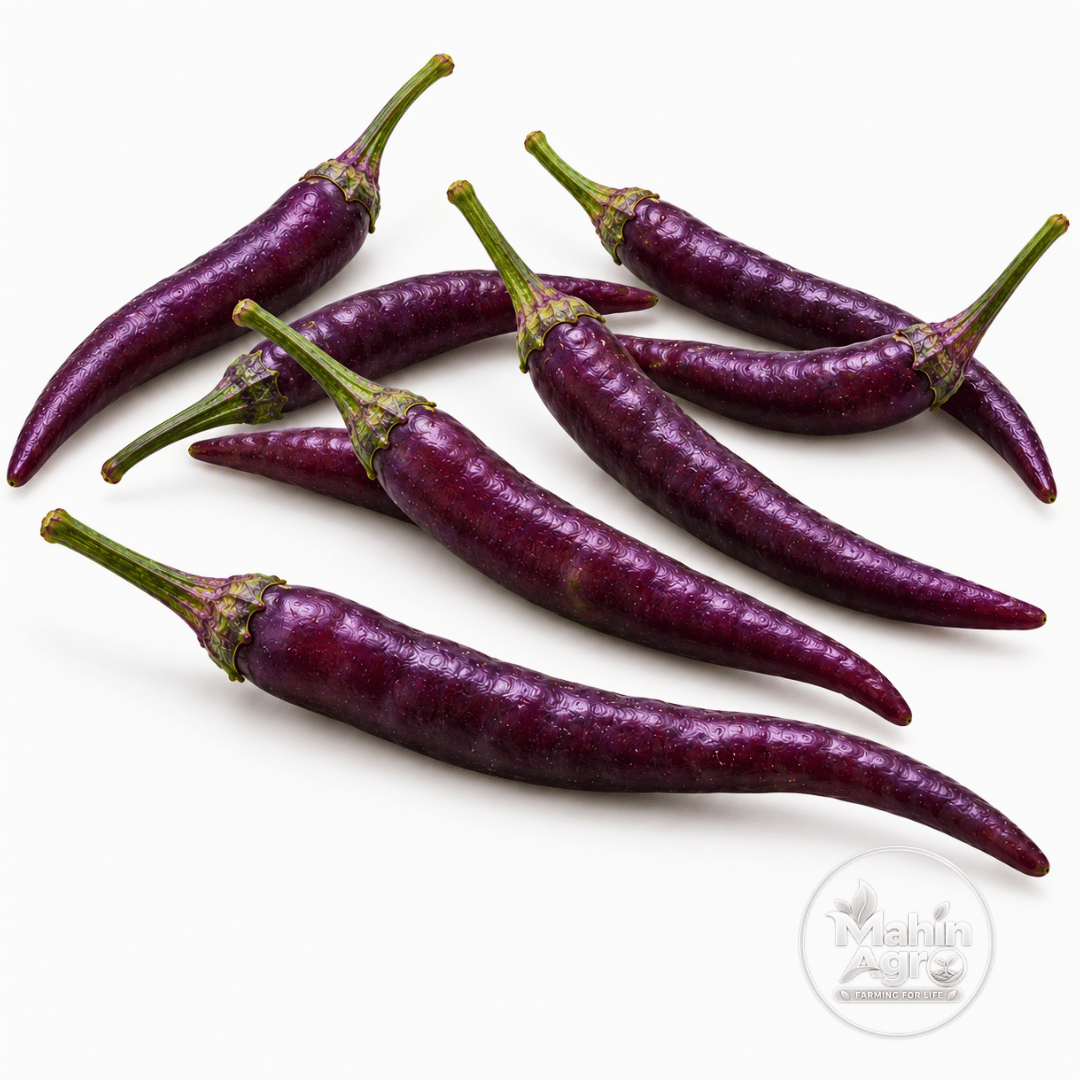
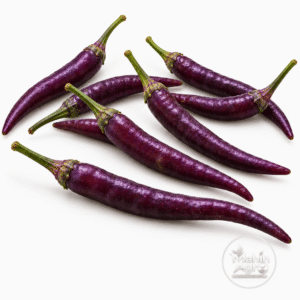
Cayenne Purple Pepper Seeds bring striking color and cayenne heat to your kitchen garden. Grow peppers for homemade sauces, curries, and dried seasonings, enjoying their deep purple stage before the fruits ripen red. This listing is for seeds for planting, not fresh peppers or live plants.
Product Information
- Variety and botanical name: Cayenne Purple; Capsicum annuum, commonly called purple cayenne or purple hot chili pepper.
- Harvest timing: Approximately 75–85 days after transplanting; allow additional time for indoor seed starting.
- Heat and flavor: Approximately 30,000–50,000 Scoville Heat Units, with fruity and earthy notes.
- Plant and fruit size: The linked supplier lists plants around 18–24 inches tall and pods approximately 3 inches long; growing conditions affect size.
- Germination: The linked supplier estimates 7–10 days under favorable conditions; cooler conditions can delay emergence.
Description
Cayenne Purple Pepper Seeds offer a colorful way to grow the heat you enjoy cooking with. Plan a place for them in your vegetable garden and follow their progress from seedlings to your first homegrown harvest.
Overview & Origin
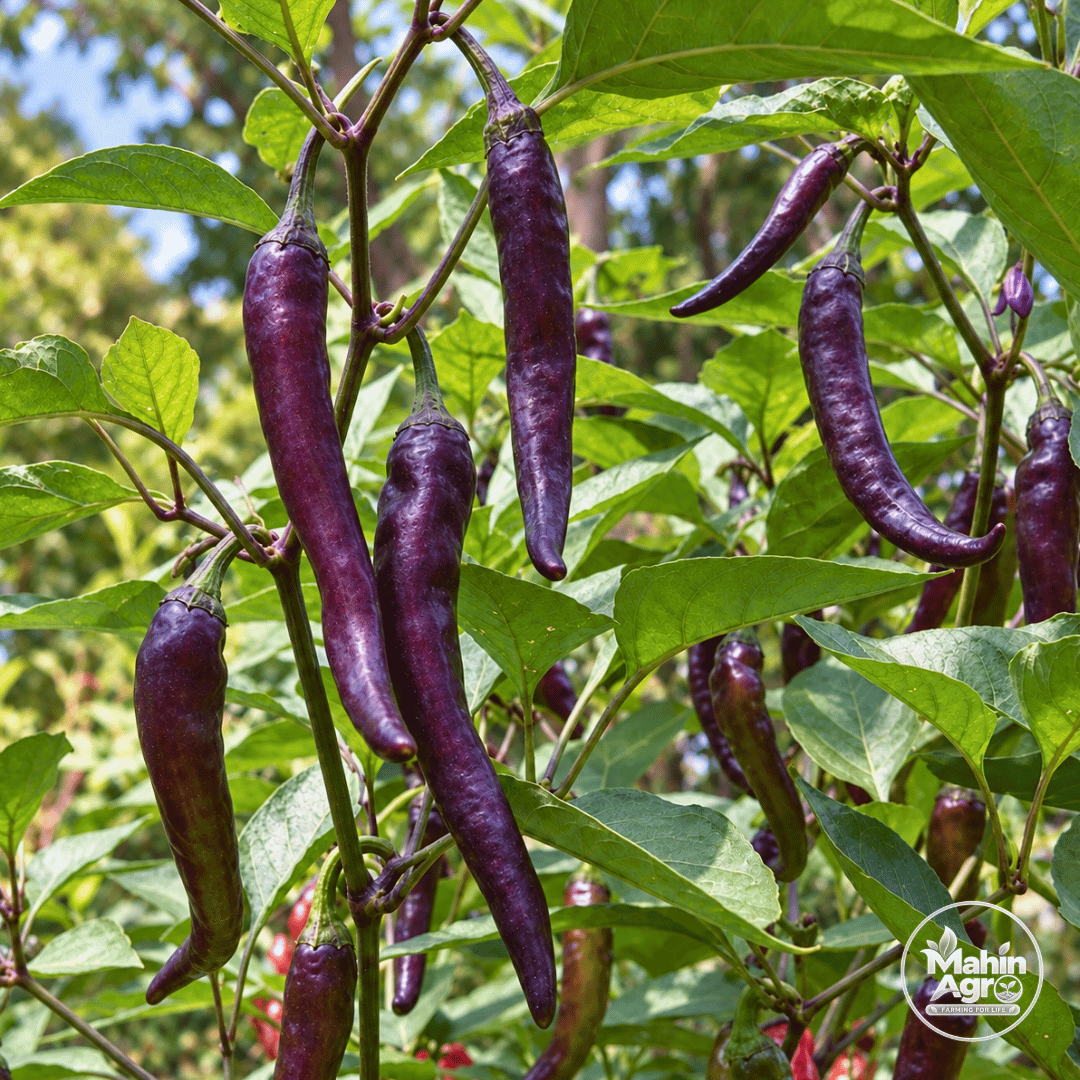
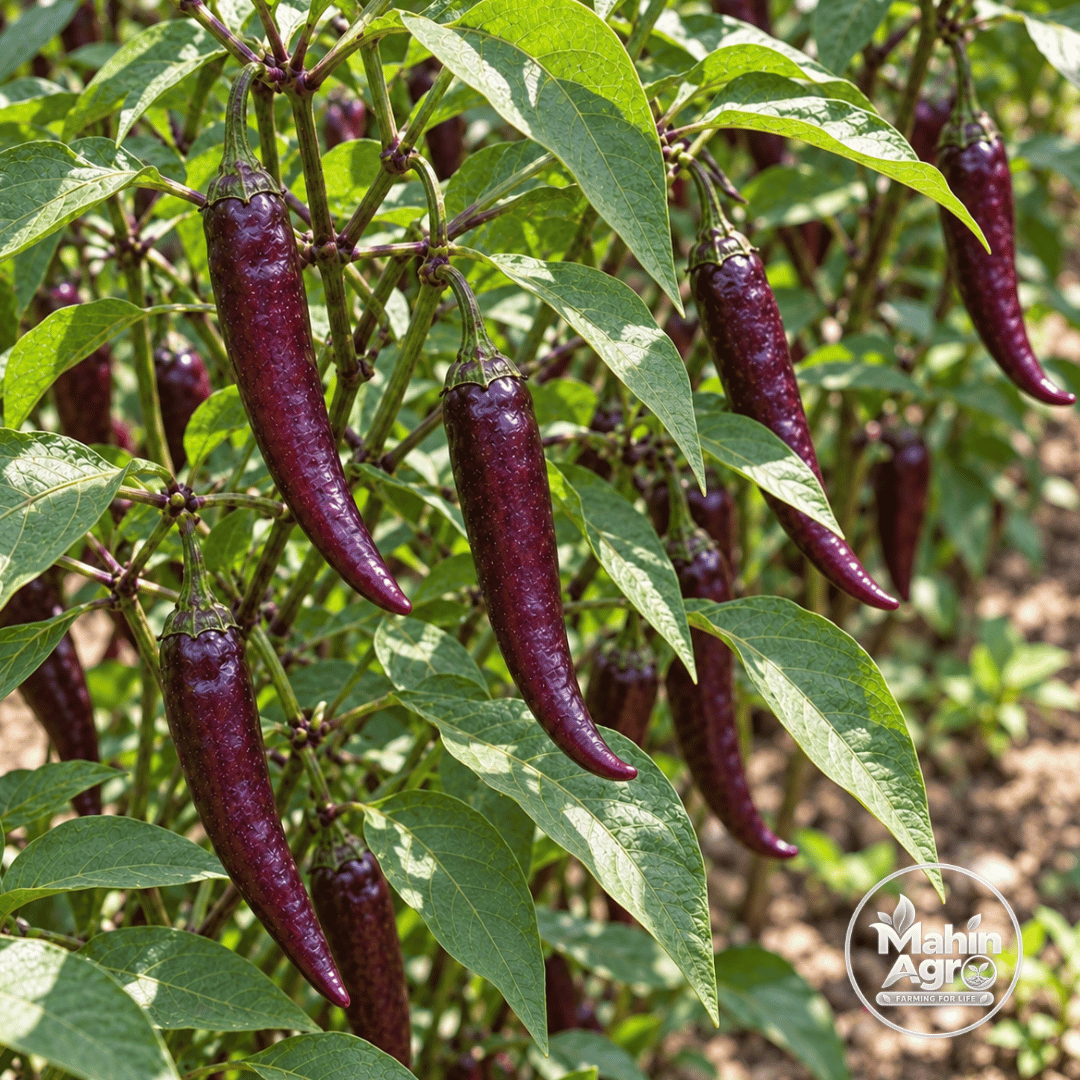
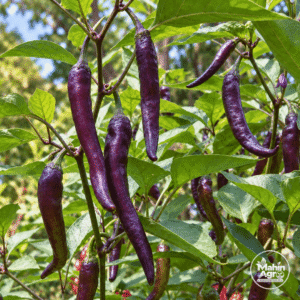
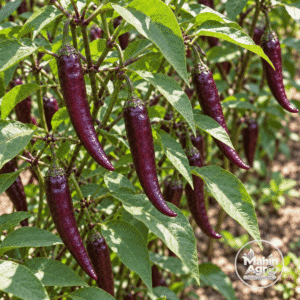
Cayenne Purple is a purple-fruited cayenne-type pepper belonging to Capsicum annuum. Its slender pods develop a deep purple stage and eventually turn red when fully ripe. Purple is therefore a harvestable color stage, rather than the permanent final color.
The supplied reference does not establish a documented breeder or precise geographic origin for this cultivar. Its name should not be treated as evidence of where Mahin Agro’s seeds were produced.
Growing Guide & Soil Requirements
Starting Seeds Indoors
Start 8–10 weeks indoors before your average last spring frost. Sow ¼ inch deep in seed-starting mix, keep the mix moist, and provide bright light after emergence. A controlled growing-medium temperature of 80–90°F during germination helps provide the warmth peppers need.
Transplanting, Sunlight & Spacing
Gradually acclimate seedlings to outdoor conditions before planting out. Wait until frost danger has passed and the soil has warmed to approximately 65°F or higher.
Choose a location with at least six hours of direct sunlight, preferably eight or more. Space plants 18–24 inches apart, with 30–36 inches between rows. These distances fall within US extension recommendations for home-grown peppers.
Soil, Watering & Feeding
Use fertile, well-drained soil amended with compost, aiming for a pH around 6.5. For containers, use potting mix and a roomy pot with drainage holes.
Water the root zone thoroughly and maintain even moisture without waterlogging. Check containers frequently during hot weather. Base fertilizer applications on soil-test results and product directions; excessive nitrogen can encourage leafy growth at the expense of fruit.
Harvesting
Clip peppers from the plant instead of pulling on the branches. Wear gloves when handling hot peppers and avoid touching your eyes. Harvest amounts depend on growing conditions and season length; a fixed yield per plant is not established for Mahin Agro’s seed lot.
Flavor and Use
Bring cayenne heat to salsa, vinegar sauces, marinades, and dried pepper flakes. Purple Cayenne can be used fresh, dried, or pickled.
For Bangladeshi and South Asian cooking, try a small amount in dal, bhorta, vegetable curries, or chutney, adjusting to your preferred heat level.
Why Do Gardeners Love This?
- Color worth watching: Enjoy the transition from purple fruit to red ripeness.
- An edible display: Combine a decorative pepper planting with a kitchen harvest.
- Flexible growing spaces: Grow in a sunny garden bed or suitable container.
- More ways to use a harvest: Cook with fresh pods or preserve some for later.
Frequently Asked Questions
How hot are Cayenne Purple peppers?
The variety is generally listed at approximately 30,000–50,000 Scoville Heat Units. Actual heat varies with the plant, growing conditions, and fruit maturity.
How long do Cayenne Purple peppers take to harvest?
Allow approximately 75–85 days after transplanting, plus the indoor seed-starting period. This is an estimate rather than a guaranteed harvest date.
Do Cayenne Purple peppers stay purple?
No. The peppers develop a purple stage and eventually ripen red. You can harvest usable purple pods or leave some on the plant to complete the color change.
Why Choose Mahin Agro?
Bring your garden and kitchen closer together with Cayenne Purple Pepper Seeds from Mahin Agro. Whether you are planning homemade hot sauce or adding homegrown chili to family recipes, this variety gives your next planting a clear purpose: grow something you will enjoy using.
Additional information
| weight | 1g, 20 Seeds |
|---|
Related products







Red Amaranth


Ridge Gourd


Cucumber
Cucumber (Khira) Naogan-5 Seeds | Early Deep Green Cucumber for Home Gardens & Farms | Non-GMO Seeds
Bitter Gourd
Bitter Gourd Bijoy Seeds | Early Maturing Mini Bitter Melon Seeds for Home Gardens & Farms




Indian Spinach
Pui Shak Green (Regular) Thin Vines Seeds | Malabar Spinach Seeds for Ground & Trellis Growing






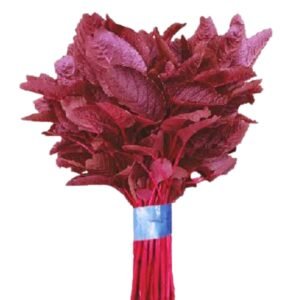

Red Amaranth
Red Amaranth Rakta Karabi Seeds – Bangladeshi Lal Shak | Amaranthus tricolor Leaf Vegetable Seeds
Herbs/Microgreens


Indian Spinach