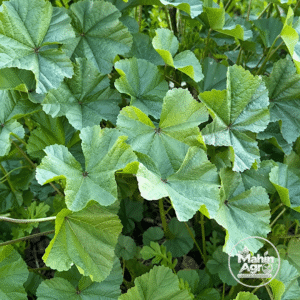
Cheeseweed Edible Napa Shak Seeds – Mallow Leafy Spinach | Mahin Agro Malva Parviflora for Garden
Price range: $5.00 through $10.00
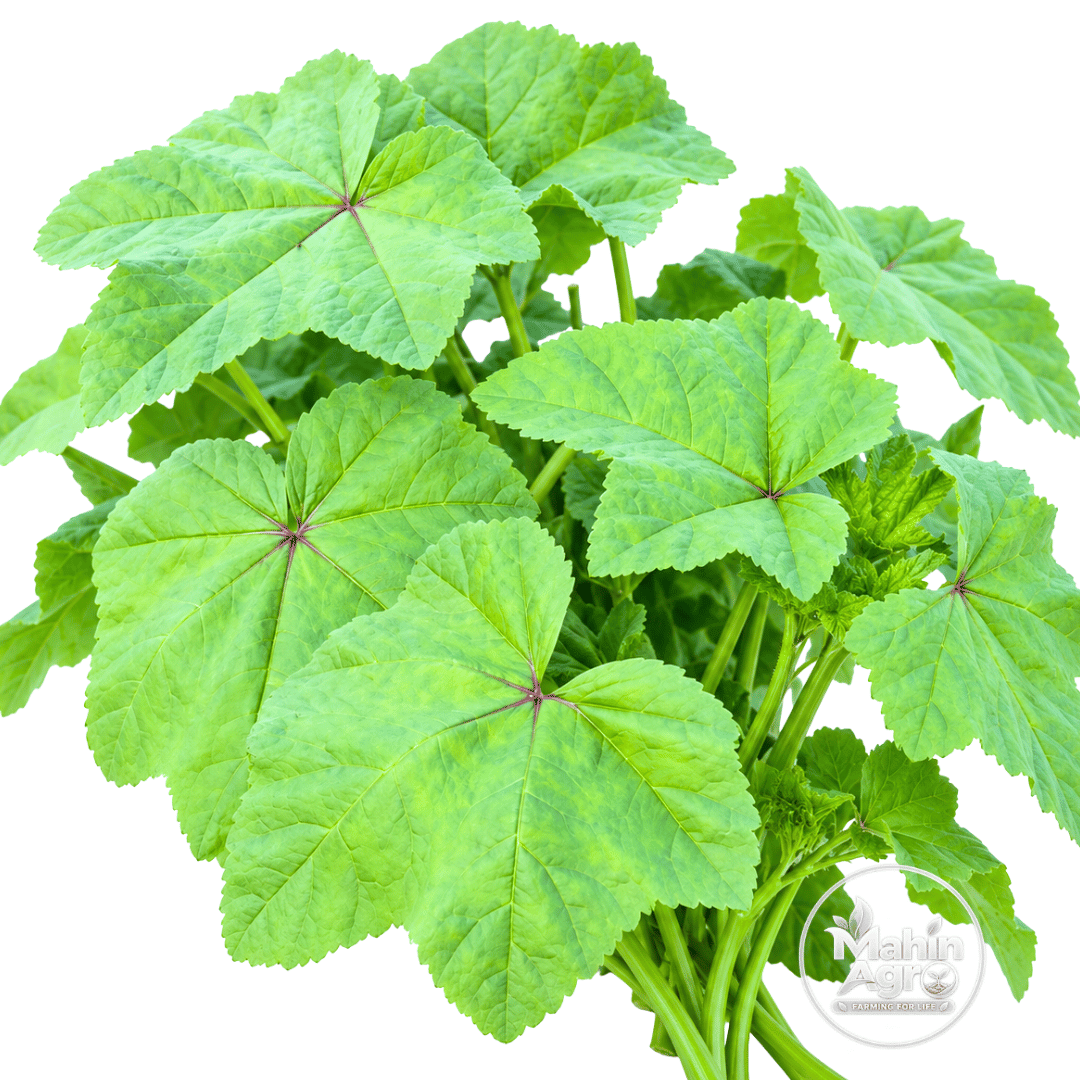
Cheeseweed Edible Napa Shak Seeds bring a mild cooking green to your kitchen garden. Grow mallow for tender leaves to add to soups, stews, and sautéed dishes, with an estimated harvest window of 50–60 days depending on conditions. This product contains planting seeds.
Product information
- Product: Edible Cheeseweed Mallow Spinach planting seeds.
- Botanical name: Malva parviflora; also known as cheeseweed or little mallow.
- Approximate seed density: 400–450 seeds per gram.
- Estimated leaf harvest: 50–60 days, depending on growing conditions.
- Growing position: Sun to partial shade in well-drained soil.
Description
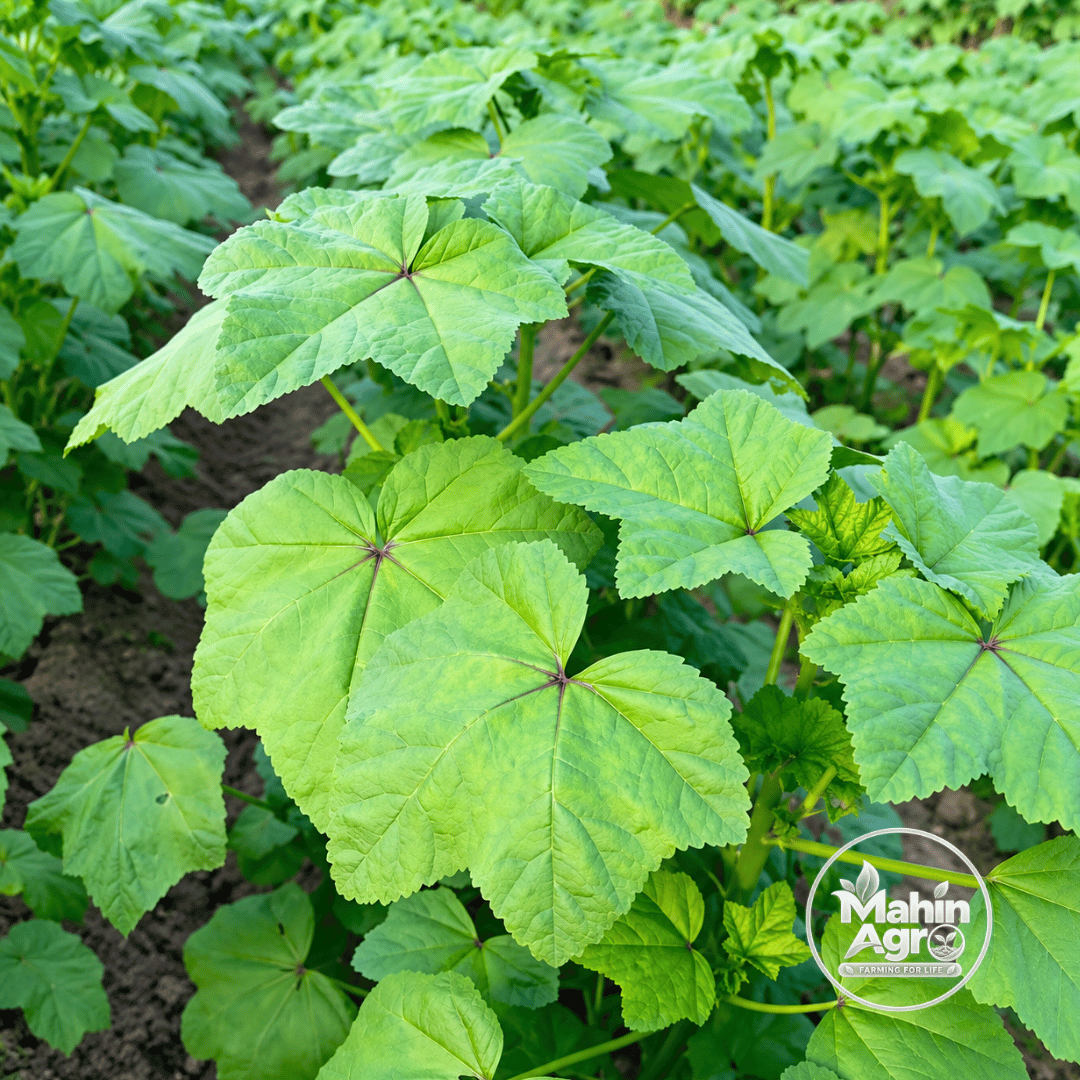
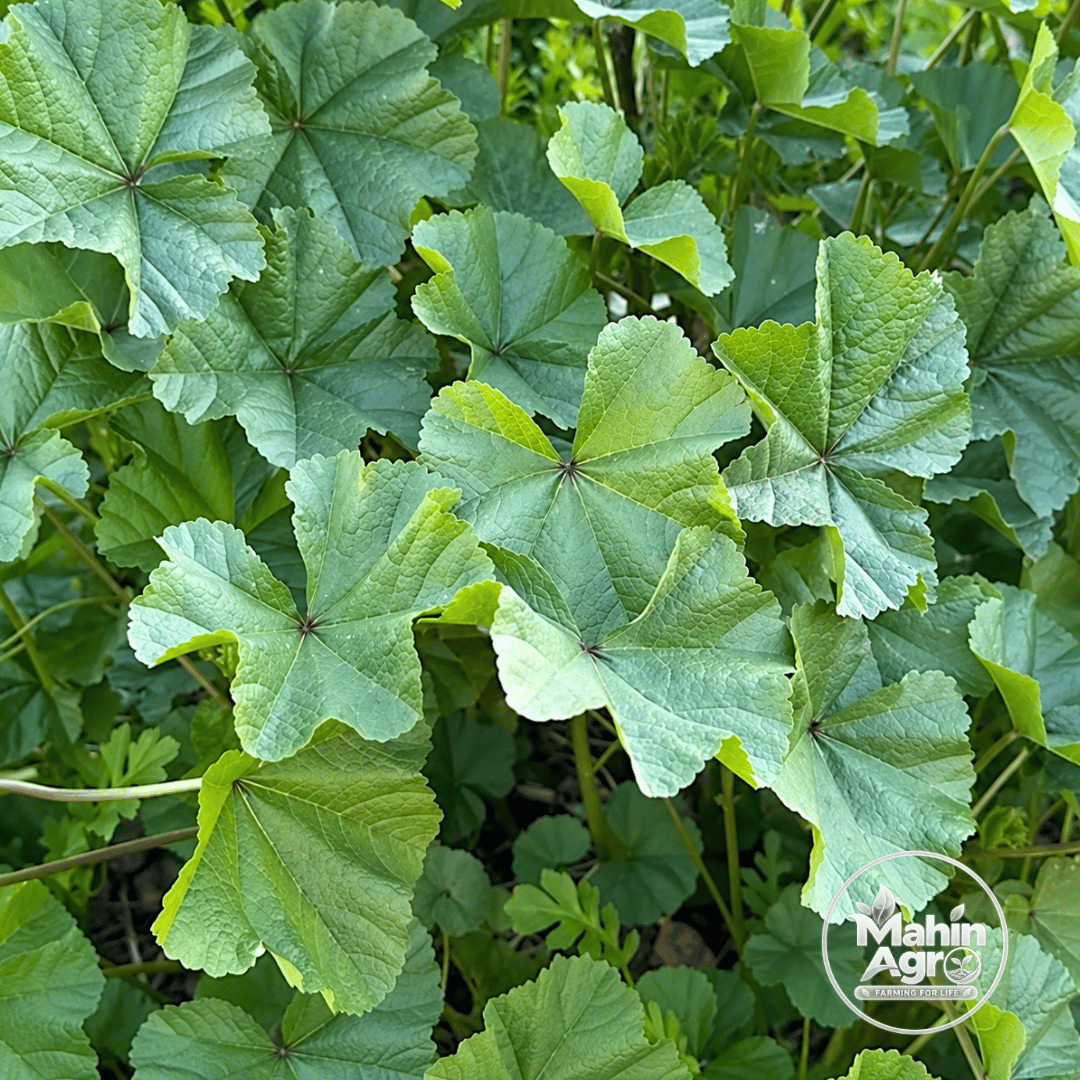
Cheeseweed Edible Napa Shak Seeds offer gardeners a leafy spinach for home cooking and a different addition to familiar garden greens. Grow this mallow for its foliage, then pick tender leaves for the kitchen.
Meet Edible Cheeseweed Mallow Spinach
Listed botanically as Malva parviflora, cheeseweed belongs to the mallow family, Malvaceae. “Mallow spinach” describes its use as a leafy spinach.
Growing Guide & Soil Requirements
When to Sow
For a home-garden trial, begin with spring sowing when the soil is workable. Fall sowing may suit mild-winter locations. Choose timing for your local climate and follow any lot-specific packet instructions.
Soil and Sunlight
Choose well-drained garden soil and a position receiving sun or partial shade. Prepare a fine seedbed so small seeds can make good contact with the soil. Use fertilizer according to a soil test or local gardening guidance rather than applying heavy nitrogen feedings.
Sowing Depth and Spacing
Use these as starting recommendations for a small trial:
- Sowing depth: Approximately ¼ inch.
- Plant spacing: Thin seedlings to approximately 12–18 inches apart.
- Row spacing: Allow approximately 18–24 inches for access and airflow.
Germination and Watering
Water gently after sowing. Keep the seedbed evenly moist without leaving it saturated. Mallow seeds can have hard coats that delay or stagger germination. Follow supplier guidance on any recommended pretreatment; avoid assuming that slow emergence means the entire sowing has failed.
Harvest and Garden Management
Use 50–60 days as an estimated harvest window, with actual timing depending on climate, establishment, and leaf size. Pick tender leaves while leaving the growing center intact. Remove unwanted seedlings early. If you do not want volunteer plants, prevent mature seed from scattering into surrounding beds.
Flavor and Use
Young cheeseweed leaves have a mild flavor. Cooking softens them, and their natural mucilage can add body to soups and stews. Try them in a small batch of sautéed greens or a leafy vegetable dish before deciding how much to add. For Bangladeshi and South Asian home cooks, they offer another green to experiment with in shak-style preparations.
Harvest leaves from your correctly identified cultivated plants, wash them thoroughly, and prepare them for your chosen recipe. The planting seeds themselves are not sold as a ready-to-eat food.
Why do gardeners love this?
- A different leafy crop: Adds variety alongside familiar kitchen-garden spinach.
- Useful cooking leaves: Offers an ingredient for soups, stews, and sautéed greens.
- Distinctive foliage: Broad, veined leaves bring visual interest to the garden.
- Flexible harvesting: Select tender leaves as the plants develop.
- Small-scale experimentation: A practical choice for gardeners exploring less familiar culinary plants.
Frequently Asked Questions
Is cheeseweed mallow the same as ordinary spinach?
Yes. This product is listed as Malva parviflora, a member of the mallow family. It is the same as ordinary spinach.
How long does it take to harvest the leaves?
The estimate is 50–60 days. Weather, germination, and growing conditions affect timing, so use leaf tenderness and plant development as your harvesting guide.
Will all the seeds germinate in 7–14 days?
Not guaranteed. It is an estimated time. Mallow’s hard seed coats can cause delayed or uneven emergence.
Does 400–450 seeds per gram mean that many seeds are included?
No. It is an approximate seed-density figure, not a packet quantity. Check the selected package’s stated weight or seed count before purchasing.
Why is Mahin Agro the best choice?
Choose Mahin Agro’s Edible Cheeseweed Mallow Spinach Seeds when you want to explore this leafy spinach in your home garden. This listing distinguishes the botanical identity, estimated growing timeline, and seeds-per-gram information so you can make an informed selection.
Additional information
| weight | 10 Grams, 5 Grams |
|---|
Related products







Red Amaranth
Red Amaranth Lal Tuktuki Seeds – Bangladeshi Lal Shak (Amaranthus tricolor) For Planting


Bottle Gourd
Red Amaranth
Red Amaranth Rakta Karabi Seeds – Bangladeshi Lal Shak | Amaranthus tricolor Leaf Vegetable Seeds


Bitter Gourd
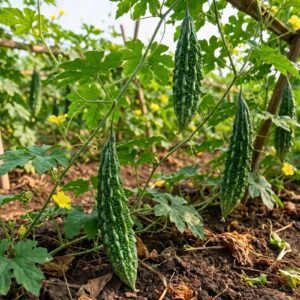
Bitter Gourd Lima Seeds | Premium Long Green Bitter Melon (Karola) Seeds for Home Gardens & Farms






Indian Spinach
Pui Shak Green (Regular) Thin Vines Seeds | Malabar Spinach Seeds for Ground & Trellis Growing

Cucumber
Cucumber (Khira) Naogan-5 Seeds | Early Deep Green Cucumber for Home Gardens & Farms | Non-GMO Seeds



Red Amaranth