


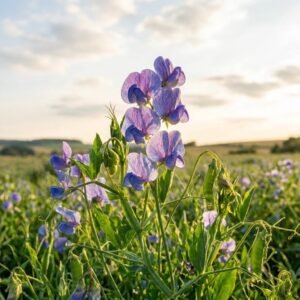

Khesari Kalay Shak Seeds | Grass Pea (Lathyrus sativus) Seeds | Bangladeshi Kalay Shak for Home Garden


Price range: $4.00 through $7.00
Khesari Kalay Shak, known botanically as Lathyrus sativus and widely called Grass Pea in English, is a fast-growing legume prized for its tender, nutrient-rich leafy shoots. A staple green in Bangladeshi and broader South Asian kitchens, it also thrives as an easy-care cover crop and ornamental climber in U.S. backyard gardens. This Non-GMO variety produces soft, mild-flavored leaves perfect for stir-fries and traditional shak preparations, along with attractive blue-violet flowers that add charm to any raised bed, container garden, or trellis setup.
Product Information
- Product Name: Khesari Kalay Shak (Grass Pea)
- Botanical Name: Lathyrus sativus
- Common English Names: Grass Pea, Chickling Pea, Chickling Vetch, Indian Pea, White Pea, Blue Sweet Pea
- South Asian / Local Names: Khesari Shak, Kalay Shak (Bangladesh); Khesari or Batura (India); Matri (Pakistan)
- Plant Type: Annual climbing legume
- Growth Habit: Scrambling/climbing vine, up to about 4 ft (1.2 m) with support
- Flower Color: Sky-blue to violet, with pink and white markings
- Flowering Period: Late spring to early summer
- Sunlight: Full sun
- Germination: Approximately 7–14 days
- Edible Parts: Young leaves and shoots (traditional leafy green); mature seeds (cooked, traditionally prepared with soaking/boiling)
- Non-GMO Status: Confirmed Non-GMO
- Special Feature: Nitrogen-fixing, soil-enriching legume; heirloom Bangladeshi shak green
Description
Khesari Kalay Shak Seeds grow into Lathyrus sativus, commonly known in English as Grass Pea (also called chickling pea, chickling vetch, Indian pea, or white pea). Across Bangladesh and the wider South Asian diaspora, the tender young leaves and shoots of this plant are harvested as a beloved leafy green, locally known as Khesari Shak or Kalay Shak, and cooked into traditional shak dishes. In the U.S. home garden, this same hardy legume is gaining attention among backyard growers for its rapid growth, nitrogen-fixing roots, climbing pea-like vines, and clusters of soft blue-violet flowers that bloom in late spring and early summer.
Mahin Agro brings this heirloom variety to American gardeners who want to grow an authentic taste of home, or who are simply looking for an easy, productive, dual-purpose crop that improves garden soil while producing edible greens.
Key Features
- Grows into Lathyrus sativus (Grass Pea) — known regionally as Khesari Shak or Kalay Shak
- Fast-germinating, vigorous climbing vine reaching up to about 4 feet (1.2 m)
- Tender young leaves and shoots are harvested as a traditional leafy green
- Produces clusters of attractive sky-blue to violet pea-like flowers
- Naturally fixes nitrogen in the soil, making it a useful soil-enriching companion crop
- Non-GMO seed stock
- Tolerant of a wide range of soils, including poor and heavy clay soils
- Well suited to raised beds, backyard plots, and trellis or fence-line growing
- Cool-season annual, ideal for spring or fall sowing in most U.S. climate zones
Why Gardeners Love It
- A genuine taste of home for Bangladeshi and South Asian American gardeners who grew up eating Khesari Shak or Kalay Shak
- Low-maintenance and forgiving for first-time growers, thanks to its tolerance for varied soil conditions
- Doubles as a living soil improver, since the nitrogen-fixing roots benefit neighboring plants and future crops
- Attractive flowering vine that adds ornamental interest to vegetable beds, trellises, and fences
- A practical, productive crop for gardeners interested in heirloom and heritage vegetables not commonly found in mainstream U.S. seed racks
Growing Information
- Plant Type: Annual climbing legume (vine)
- Growing Season: Cool season — early spring or early fall sowing recommended
- Sunlight: Full sun
- Soil: Adaptable to light, medium, and heavy soils; prefers moist, well-drained conditions
- Germination: Generally 7–14 days under suitable conditions
- Spacing: Allow room to climb; trellis or support recommended for best growth
- Harvest (Greens): Young leaves and shoots can be harvested as they develop, typically beginning a few weeks after germination
- Harvest (Seed Pods): Pods mature later in the season as the plant flowers and sets seed
Ideal For
- Bangladeshi and South Asian American home cooks growing traditional shak greens
- Backyard and raised-bed vegetable gardeners
- Organic and natural gardening enthusiasts
- Gardeners interested in nitrogen-fixing cover crops
- First-time growers seeking an easy, low-fuss leafy green
- Trellis and vertical-garden growers
A Note on Safe Preparation
As with many traditional legumes, mature Lathyrus sativus seeds contain naturally occurring compounds that should not be consumed raw or in large quantities as a primary food source over an extended period. Young leaves and shoots have long been used as a cooked leafy green in South Asian cuisine, and mature seeds, where consumed, are traditionally soaked and thoroughly cooked before eating, consistent with long-standing culinary practice for this crop. This seed listing is intended for home gardening and cultivation purposes. Gardeners interested in culinary use should research proper traditional preparation methods and consume any harvest as part of a varied, balanced diet.
Additional information
| weight | 100 Grams, 50 Grams |
|---|
Related products


Indian Spinach






Bitter Gourd
Bitter Gourd Bijoy Seeds | Early Maturing Mini Bitter Melon Seeds for Home Gardens & Farms
Red Amaranth
Red Amaranth Rakta Karabi Seeds – Bangladeshi Lal Shak | Amaranthus tricolor Leaf Vegetable Seeds




Bitter Gourd
Bitter Gourd Lima Seeds | Premium Long Green Bitter Melon (Karola) Seeds for Home Gardens & Farms

Red Amaranth
Red Amaranth Lal Tuktuki Seeds – Bangladeshi Lal Shak (Amaranthus tricolor) For Planting
Bottle Gourd




Cucumber
Cucumber (Khira) Naogan-5 Seeds | Early Deep Green Cucumber for Home Gardens & Farms | Non-GMO Seeds

