Description
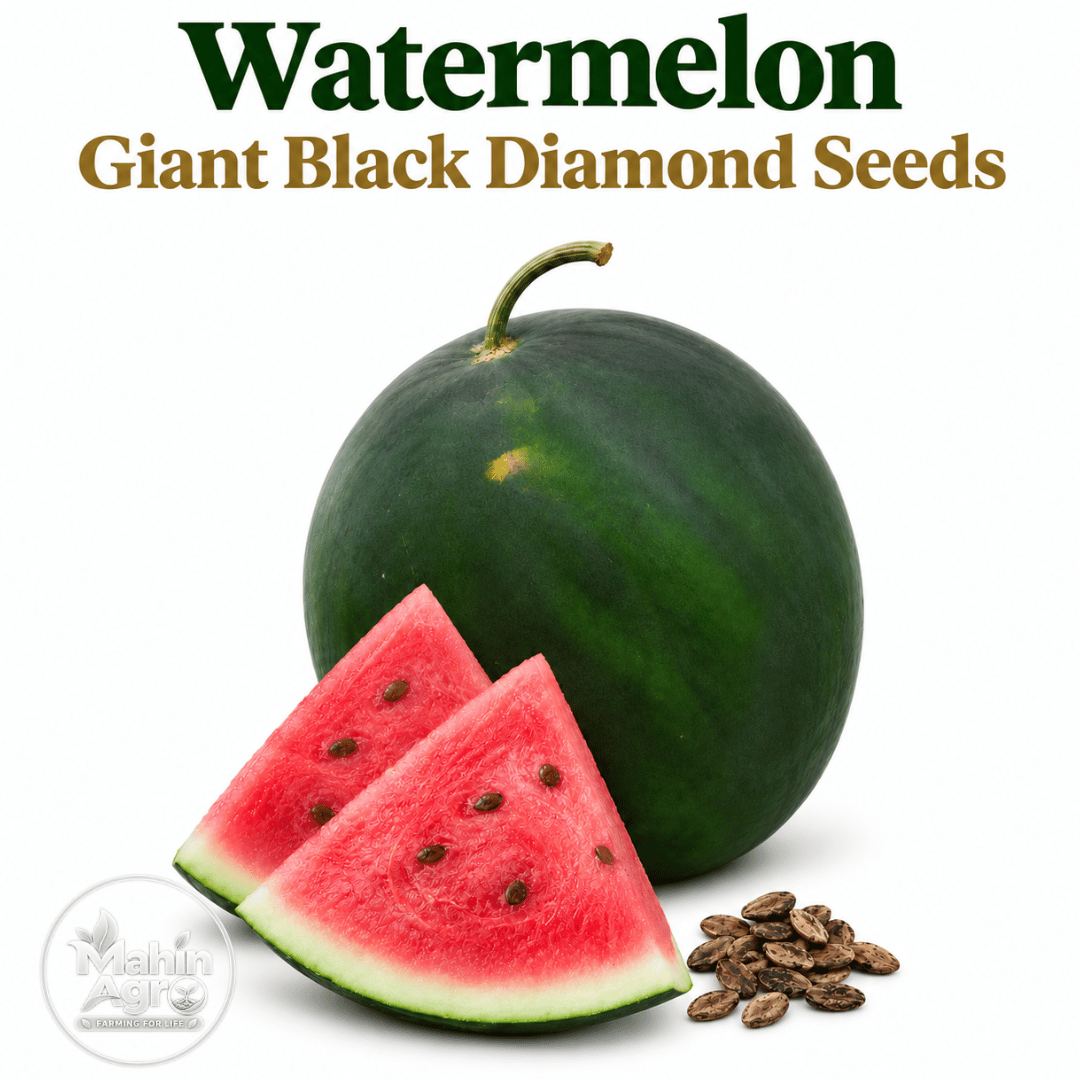
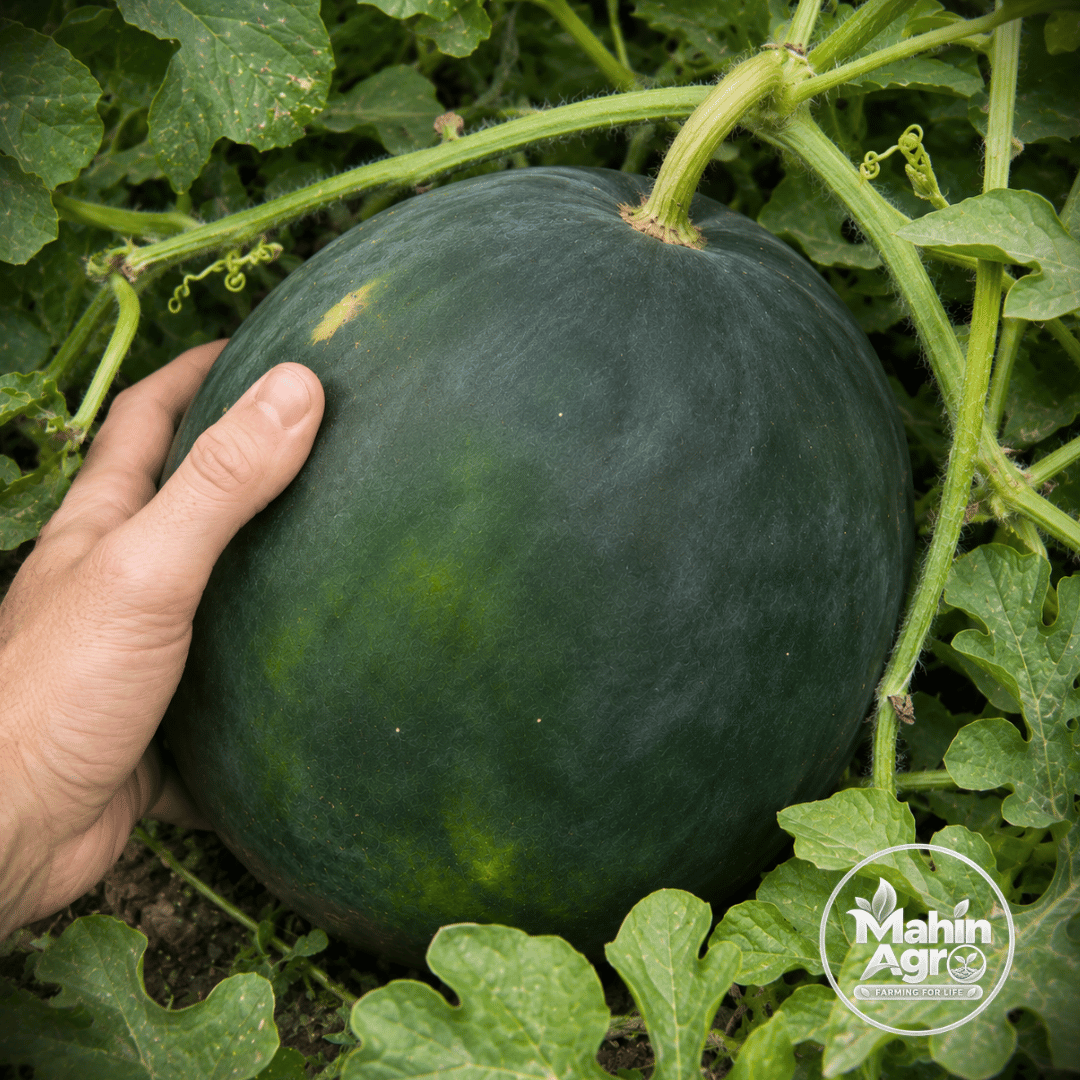
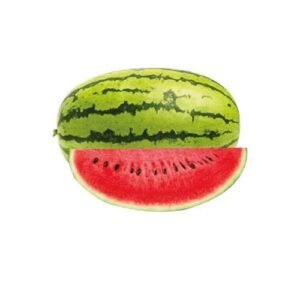
Giant Black Diamond Watermelon Seeds are for gardeners who have room for sprawling vines and want a big, red-fleshed melon to slice and share. The fruit pairs a deep green rind with juicy red flesh, and the vines do best in a sunny, open bed with enough warm weather to ripen the crop.
Overview & Origin
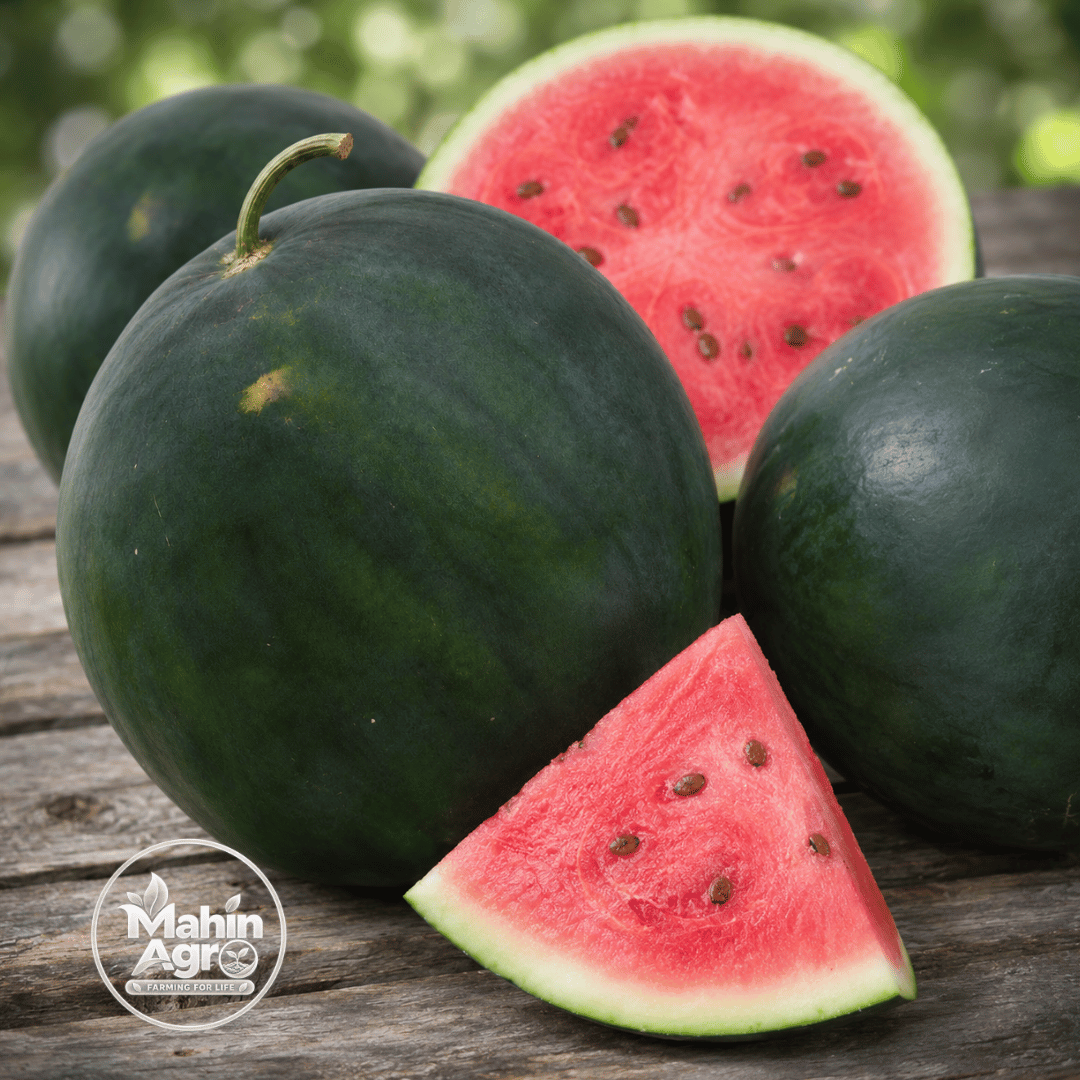
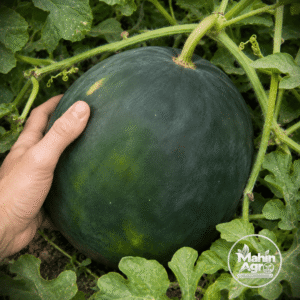
Black Diamond is a long-established name in American seed catalogs. A 1927 Buchanan Seed Company catalog describes its Black Diamond as a large, nearly round melon with a very dark green rind. The Mahin Agro images show those same broad fruit traits, along with the red flesh and visible seeds shoppers can expect from a seeded slicing watermelon.
Growing Guide & Soil Requirements
Choose a sunny, well-drained spot
Pick an in-ground bed with at least 6 hours of direct sun, preferably 8–10 hours. Work compost into well-drained soil before planting. Set plants 3–4 feet apart and leave 6–7 feet between rows so the vines have room to spread.
Sow when the soil has warmed
Direct-sow seeds about 1 inch deep, typically 2–4 weeks after your last spring frost. Use that window as a guide and let soil warmth determine the planting day. In short-season areas, start seeds indoors about 3 weeks before transplanting to give the crop a head start.
Water at the base and give bees access
Keep the soil evenly moist while seedlings establish and the fruit develops. A soaker hose or drip line delivers water at the base. If you use a row cover to warm young plants, remove it when flowering starts so bees can move pollen to the female flowers.
Harvest using two ripeness cues
Check the patch where the melon rests on the ground. When it turns creamy yellow and the tendril nearest the fruit stem dries, cut the melon from the vine. Watermelon stops ripening after harvest, so use both cues before picking.
Flavor and Use
The sweet, juicy red flesh is made for thick chilled wedges. Cube it for fruit salad, blend it into a cold summer drink, or serve sliced watermelon alongside a family cookout. Scoop out the seeds before blending for a smoother drink.
Why Gardeners Love This Variety
A full-size Black Diamond gives gardeners with a dedicated melon patch a harvest they can share. The dark rind stands out among the vines, and the red flesh makes a striking first cut. If you’re growing summer tormuj for a family gathering, this is a variety worth giving its own row.
Frequently Asked Questions
When should I plant Giant Black Diamond Watermelon Seeds?
Direct-sow about 2–4 weeks after your last spring frost, once the soil has warmed. Plant about 1 inch deep in a sunny, well-drained bed.
How long does Black Diamond watermelon take to mature?
Standard Black Diamond seed catalogs list about 90 days. Use that benchmark to plan your season and check for a creamy yellow ground spot and a dry tendril near the fruit stem before harvesting.
How big can a Black Diamond watermelon get?
Standard Black Diamond catalogs report fruit around 35–50 lb. Use that range as a reference for the variety. Individual melons vary with soil, weather, pollination, and care.
Can I grow Giant Black Diamond watermelon in a raised bed?
Yes. Use a large raised bed with space for the vines to trail onto open ground. Allow 3–4 feet between plants and 6–7 feet between rows if you’re growing more than one row.
Why Choose Mahin Agro?
Mahin Agro tests seed lots for viability and ships them domestically from Guilford, New York. Your order ships within the US, so it avoids the customs holds and import seizures that can affect international seed orders. Seed orders over $20 qualify for free shipping within the continental US.
Find more Seeds here
Additional information
| weight | 1 Gram |
|---|
Related products











Red Amaranth
Red Amaranth Lal Tuktuki Seeds – Bangladeshi Lal Shak (Amaranthus tricolor) For Planting

Cucumber
Cucumber (Khira) Naogan-5 Seeds | Early Deep Green Cucumber for Home Gardens & Farms | Non-GMO Seeds

Bitter Gourd
Bitter Gourd Bijoy Seeds | Early Maturing Mini Bitter Melon Seeds for Home Gardens & Farms





Ridge Gourd
Herbs/Microgreens

Bitter Gourd
Bitter Gourd Lima Seeds | Premium Long Green Bitter Melon (Karola) Seeds for Home Gardens & Farms


Bottle Gourd
Brinjal/Eggplant


Indian Spinach