Cucuzzi Italian Edible Gourd Seeds – Cucuzza Sicilian Long Squash | Mahin Agro
Price range: $3.00 through $10.00
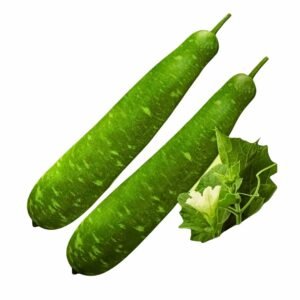
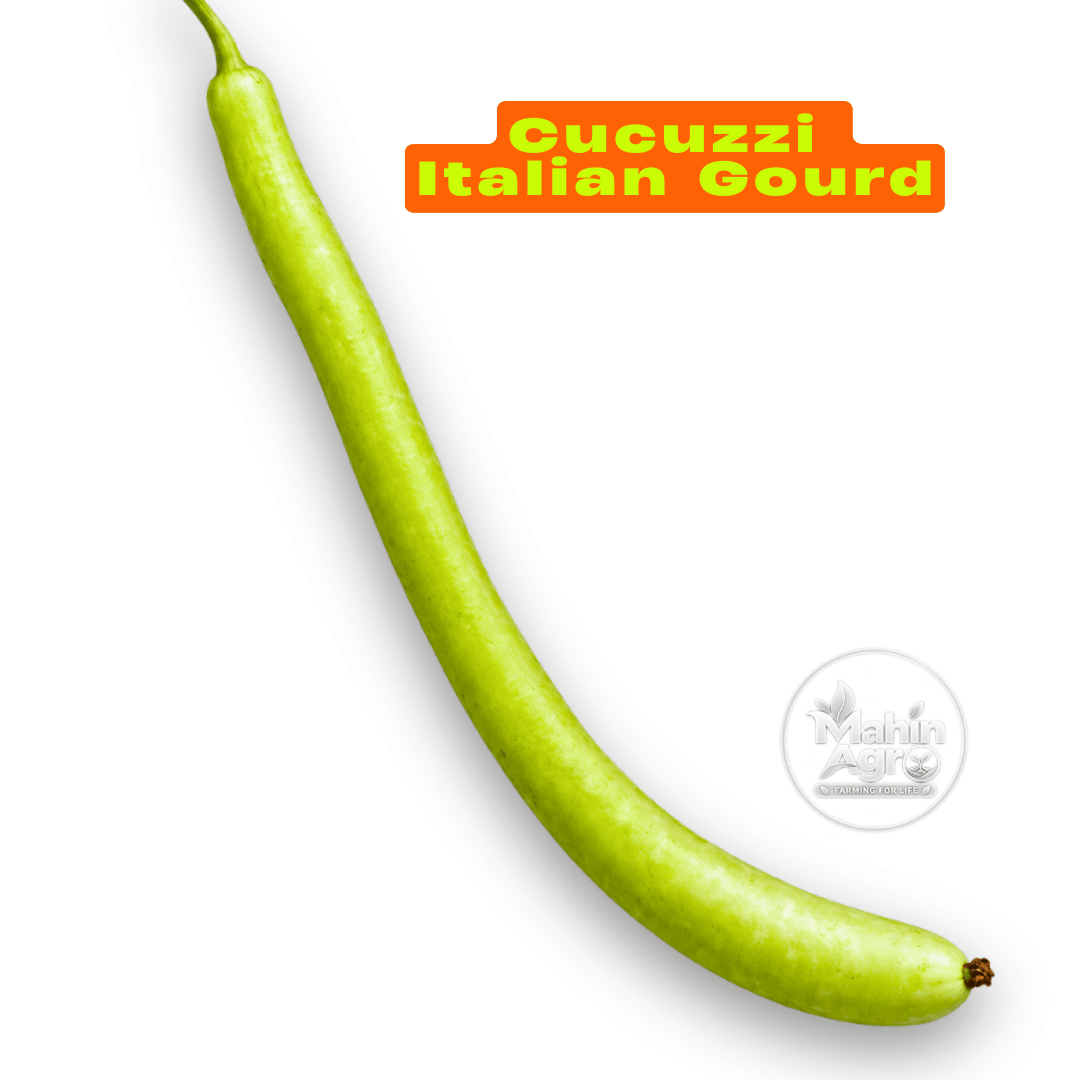
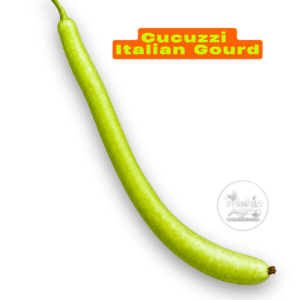
Cucuzzi Italian Edible Gourd Seeds bring a traditional Italian kitchen-garden favorite to your summer growing space. Also called Cucuzza, Sicilian long squash, or Gagootz, this climbing gourd produces slender, light-green fruits best picked young at 8–12 inches. Enjoy their mild flavor in soups, stews, curries, and sautéed vegetable dishes.
Product Information
- Variety and botanical name: Cucuzzi Italian Edible Gourd — Lagenaria siceraria.
- Common names: Cucuzza, Sicilian long squash, and Gagootz.
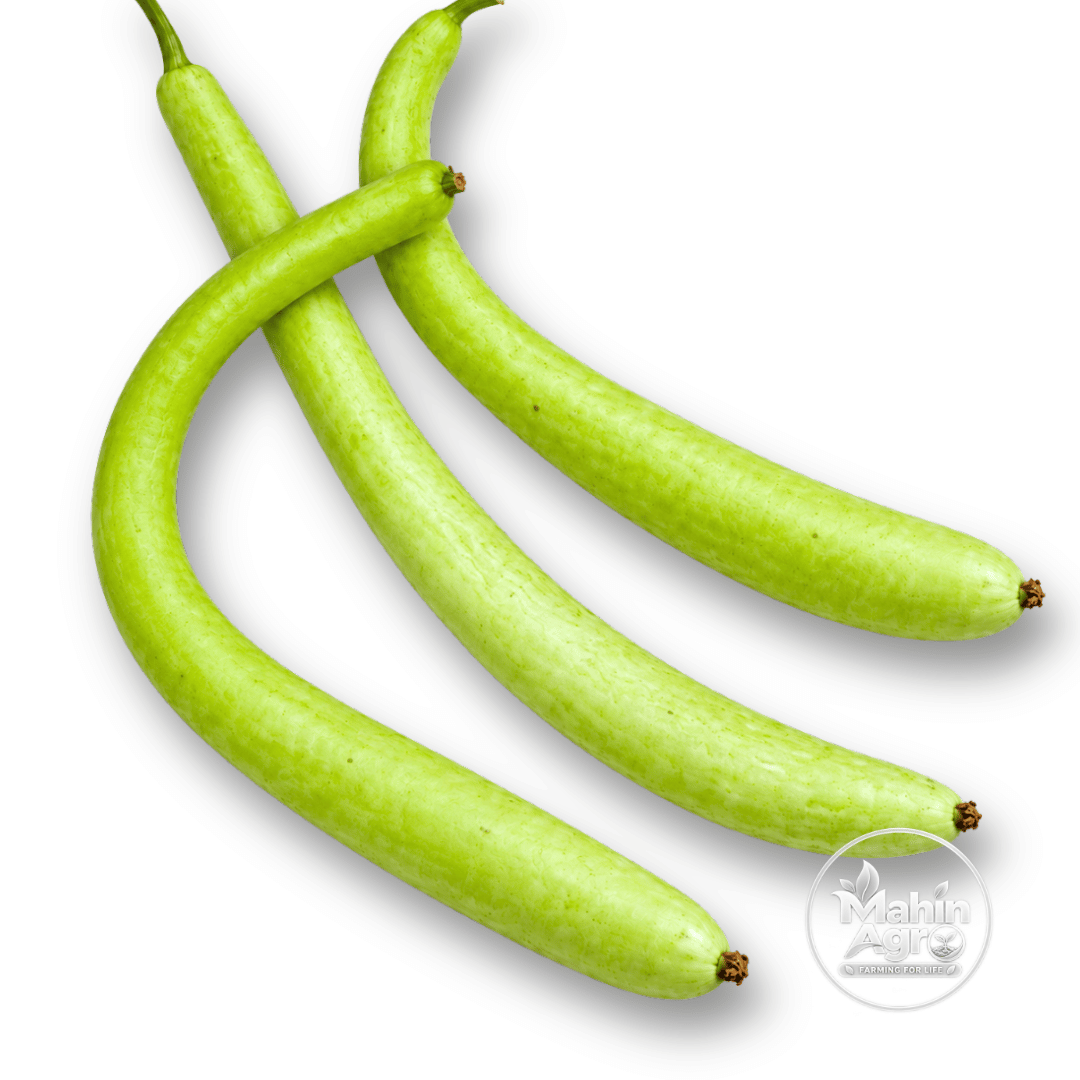
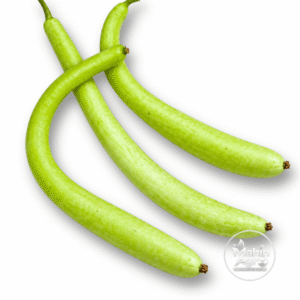
- Fruit characteristics: Long, slender, light-green gourds; harvest at 8–12 inches for tender cooking quality.
- Growing season and harvest: Warm-season crop; estimated harvest window of 55–100 days, depending on conditions.
- Seed-size estimate: Approximately 5 seeds per gram; actual packet quantity depends on the selected pack.
Description
Cucuzzi Italian Edible Gourd Seeds offer a rewarding way to grow a distinctive climbing vegetable for your home kitchen. With slender, light-green fruits and a mild flavor when harvested young, Cucuzzi fits naturally into both Italian-inspired meals and South Asian gourd dishes.
Overview & Origin
A traditional Italian kitchen-garden favorite
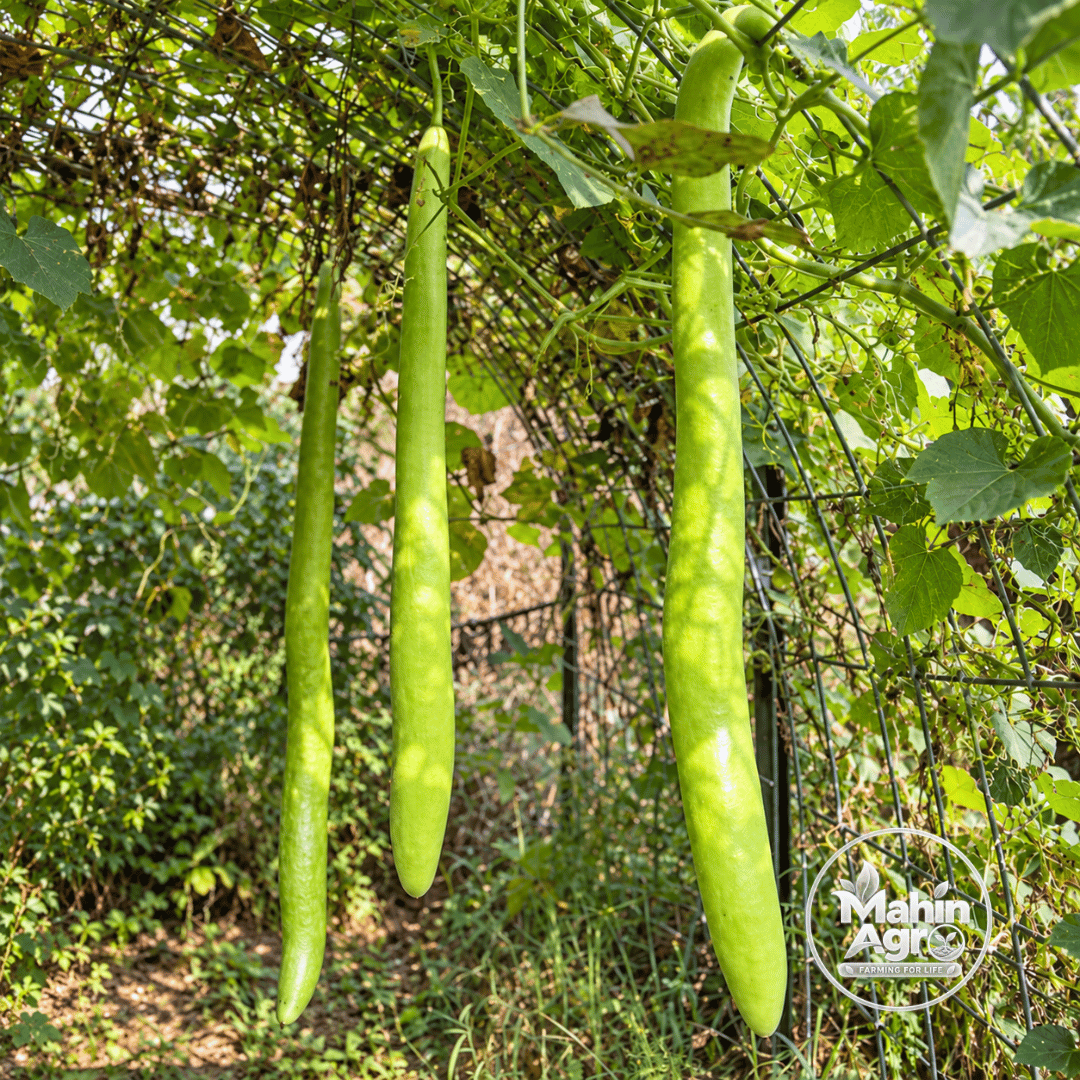
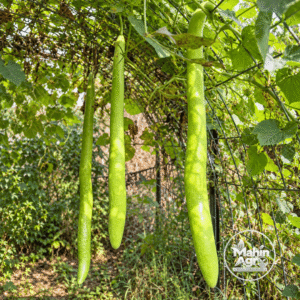
Cucuzzi, commonly called Cucuzza, Sicilian long squash, or Gagootz, is associated with Italian and Sicilian cooking. Although often called squash, it is botanically an edible bottle gourd, Lagenaria siceraria. Its climbing habit makes it a striking addition to a supported vegetable garden. Fruits may hang straight or develop gentle curves, giving each harvest a natural variation in shape.
Harvest young for the kitchen
The recommended 8–12-inch length describes the young eating stage. Fruits left on the vine can become much longer and develop harder skins, so impressive size does not necessarily mean better cooking quality. Pick while the skin remains tender. For gardeners familiar with lau, lauki, or dudhi, Cucuzzi offers another culinary form of the same bottle-gourd species, with a distinctive long, slender shape.
Growing Guide & Soil Requirements
Sowing time and location
Grow Cucuzzi during your local warm, frost-free season. In most US climates, sow outdoors in spring or early summer after frost risk has passed and the soil has warmed. Choose full sun and a position with room for vigorous vines.
Soil preparation, sowing depth, and spacing
Use fertile, well-drained soil enriched with finished compost. As a practical starting point for this large climbing gourd:
- Sowing depth: Approximately ½–1 inch.
- Plant spacing: Approximately 36–48 inches apart.
- Row spacing: Allow 6–12 feet where growing multiple rows, adjusting for your support system and access.
- Transplanting: Handle seedlings gently to minimize root disturbance.
Trellising and watering
Install a strong trellis or arbor before vines become established. Guide young growth toward the support and allow room for hanging fruit. Growing vertically also makes developing gourds easier to inspect. Water at the soil level and maintain even moisture without leaving the ground waterlogged. Check soil regularly during hot weather, especially while plants are flowering and fruits are developing.
Harvest timing
Use the supplied 55–100-day range as a planning estimate rather than a fixed picking date. Temperature, planting method, and growing conditions can affect timing.
Check developing fruit regularly and harvest at approximately 8–12 inches, while the skin remains tender. Use clean pruners to cut the stem rather than pulling on the vine. LSU AgCenter likewise recommends harvesting Cucuzza young, pale green, and tender.
Flavor and Use
Mild flavor for everyday cooking
Young Cucuzzi has a mild flavor that works well with garlic, onions, tomatoes, herbs, and warm spices. Its gentle taste makes it useful in recipes where the surrounding ingredients provide much of the seasoning.
Peel as needed, trim the ends, and cut into pieces suited to your recipe. Cook until tender.
From Italian soups to South Asian curries
Try your harvest in:
- Tomato-based soups and vegetable stews.
- Sautéed sides with garlic and herbs.
- Light curries inspired by lau or lauki dishes.
- Mixed vegetable preparations served with rice.
For the best texture, prioritize young, tender gourds over oversized fruits.
Why do gardeners love this?
Cucuzzi combines an attractive climbing habit with a practical kitchen harvest. Its hanging fruits are easy to observe on a trellis, and the long, light-green gourds add visual interest to a summer vegetable garden.
Gardeners who enjoy cooking what they grow can use this crop across several cuisines. It offers a familiar mild gourd flavor while bringing a different shape and growing habit to the garden.
Frequently Asked Questions
Is Cucuzzi the same as zucchini?
No. Cucuzzi is Lagenaria siceraria, an edible bottle gourd. Zucchini belongs to a different botanical species. Young Cucuzzi can be used in some similar cooked dishes, but the plants and fruits are distinct.
When should I harvest Cucuzzi gourds?
Harvest at approximately 8–12 inches while the skin is tender. The supplied harvest estimate is 55–100 days, but fruit tenderness and development are more useful picking indicators than the calendar alone.
Does Cucuzzi need a trellis?
A strong trellis is recommended for supporting the climbing vines and hanging fruits. Cucuzzi can grow along the ground, but fruit may develop contact marks or discoloration where it rests on the soil.
Why is Mahin Agro the best choice?
Choose Mahin Agro Cucuzzi Italian Edible Gourd Seeds when you want to grow a distinctive vegetable for meals you enjoy preparing at home. This variety connects Italian kitchen-garden traditions with the familiar versatility of bottle gourds in South Asian cooking.
Additional information
| weight | 10 Grams, 10 Seeds, 5 Grams |
|---|
Related products




Cucumber
Cucumber (Khira) Naogan-5 Seeds | Early Deep Green Cucumber for Home Gardens & Farms | Non-GMO Seeds

Cucumber
Cucumber Banolota Seeds | Non-GMO Early High-Yield Green Slicing Cucumber for Home Gardens & Farms

Bitter Gourd
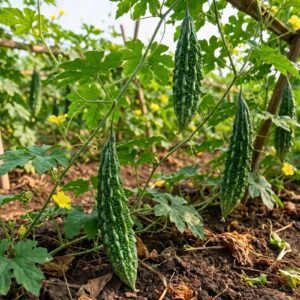
Bitter Gourd Bijoy Seeds | Early Maturing Mini Bitter Melon Seeds for Home Gardens & Farms


Red Amaranth

Bitter Gourd
Bitter Gourd Lima Seeds | Premium Long Green Bitter Melon (Karola) Seeds for Home Gardens & Farms




Red Amaranth
Red Amaranth Rakta Karabi Seeds – Bangladeshi Lal Shak | Amaranthus tricolor Leaf Vegetable Seeds









Indian Spinach
Pui Shak Green (Regular) Thin Vines Seeds | Malabar Spinach Seeds for Ground & Trellis Growing
Red Amaranth
Red Amaranth Lal Tuktuki Seeds – Bangladeshi Lal Shak (Amaranthus tricolor) For Planting



Herbs/Microgreens